Waters of the United States (WOTUS)
United States District Court for the District of Maryland
Chesapeake Bay Foundation, et. al. v. United States Environmental Protection Agency
Case Nos. 1:20-cv-01063, 01064 (consolidated)
Issue:
Water QualityTopic:
Clean Water Act
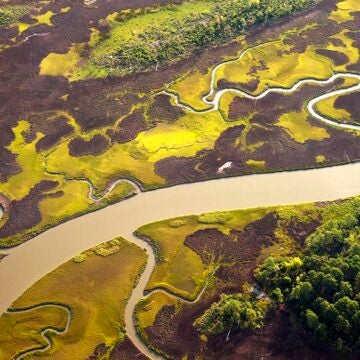
The Clean Water Act was designed to “restore and maintain the chemical, physical, and biological integrity of the Nation’s waters.” To do this, the Act protects “navigable waters”—defined as “waters of the United States ”—from unregulated pollution and filling without a permit. However, because “waters of the United States” is not actually defined in the Clean Water Act, it has been subject to decades-long litigation and regulations attempting to clarify the definition. As a result, EPA and the U.S Army Corp of Engineers (Corps) collectively issued the 2015 Clean Water Rule. This Rule defined the wetlands and streams that qualify for federal protection under the Clean Water Act based on the connectivity of waters and the impacts streams and wetlands have on downstream water quality. Hundreds of streams and wetlands in the Chesapeake Bay watershed were protected under the 2015 Rule.
However, in 2019, in a rejection of sound science and legal precedent, EPA and the Corps embarked upon a two-step process to repeal and replace the 2015 Clean Water Rule. First the agencies finalized a repeal of the Rule entitled Definition of “Waters of the United States”—Recodification of Pre-Existing Rules (Oct. 22, 2019). CBF filed comments prior to the issuance of this rule as the repeal would reinstate the prior confusing regulatory regime and remove protections for certain water features like Delmarva Bays and pocosins (a wetland bog with sandy, peat soil) found in the Bay region. Thereafter, the agencies issued the final replacement rule entitled The Navigable Waters Protection Rule: Definition of “Waters of the United States” (Apr. 21, 2020). CBF and more than 2,000 of our members submitted comments opposing the replacement rule, which ignored leading science on the physical, chemical, and biological connections between streams and wetlands and navigable waters. Not only did this rule eliminate Clean Water Act protection for hundreds of streams and wetlands across the watershed, meaning a pollution discharger would no longer need a federal permit to release pollutants into these waters, it reduced the ability to prevent and control pollution harmful to the Bay and its tributaries.
As a result, CBF, together with ShoreRivers, challenged both the repeal rule and the Navigable Waters Protection Rule by filing two separate actions in U.S. District Court against EPA and the Corps on April 27, 2020 asking the court to vacate both rules and to reinstate the 2015 Clean Water Rule. On Aug. 24th CBF’s cases were consolidated. However, before final motions were filed, on February 2, 2021, the Court Ordered the cases to be held in abeyance as EPA reviewed the rules in accordance with President Biden’s Executive Order 13990- “Protecting Public Health and the Environment and Restoring Science to Tackle the Climate Crisis,” which establishes a policy to listen to science and improve public health and protect our environment.
On August 30, 2021, in a separate, but related case, the U.S. District Court for the District of Arizona vacated the April 2020 Navigable Waters Protection Rule. In light of this decision, the EPA and Army Corps announced the agencies’ intent to abandon the Navigable Waters Protection Rule, and instead rely on the pre-2015 regulatory regime and guidance from Supreme Court cases. CBF submitted comments on the Agencies’ request for pre-proposal feedback in September 2021 and we submitted comments on the Revised Definition of WOTUS in February 2022. EPA issued a revised definition, replacing both the 2015 Rule and the Navigable Waters Protection Rule in January 2023.
On June 17, 2022, CBF joined 113 environmental organizations and submitted an amicus brief, or friend of the court brief, in Sackett v. EPA, a case before the United States Supreme Court addressing which wetlands are waters of the United States and protected by the Clean Water Act. In May of 2023, the Supreme Court issued its opinion removing federal protection for a majority of wetlands and other waterways across the country. The Supreme Court’s decision also led EPA to revisit, and weaken, its January 2023 Rule. Following these significant changes to the legal and regulatory landscape, CBF and ShoreRivers filed a Motion to Dismiss both of our cases in July of 2023.
In September 2023, EPA issued an Amended version of its January 2023 Rule, incorporating the weakened standards required by the United States Supreme Court. CBF continues to monitor and engage with EPA and the states within the Chesapeake Bay watershed to ensure protection for wetlands and waterways.
This case was being handled by the former Vice President for Litigation Jon Mueller and current Director of Litigation Ariel Solaski.