Why Virginia Should Ban Toxic Pavement Sealants
Toxic pavement sealants are used to protect asphalt and are applied to streets, driveways, and playgrounds. Unfortunately, these pavement sealants are toxic, containing about 1,000 times more PAHs (polycyclic aromatic hydrocarbons) than asphalt-based sealants. Hear our speakers describe the harm done by PAHs, what cost-effective alternatives exist, and why CBF will be working on this issue during the 2024 General Assembly session.
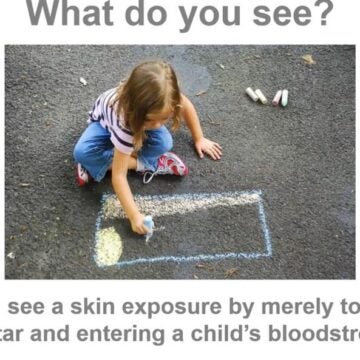
Toxic pavement sealants are used to protect asphalt and are applied to streets, driveways, and playgrounds. Unfortunately, these pavement sealants are toxic, containing about 1,000 times more PAHs (polycyclic aromatic hydrocarbons) than asphalt-based sealants. Home Depot, Lowes, True Value Hardware, and many other large retailers no longer carry these sealants, but they are still available and still used both commercially and privately.
PAHs are toxic to humans, birds, amphibians, fish, mammals, and vegetation. PAHs are carcinogenic, and yet children encounter these sealants on playgrounds. Fish kills occur when the chemicals are applied before rain and leach into streams. Other states have banned toxic pavement sealants and it’s time for Virginia to step up to the plate. In this webinar, hear our speakers describe the harm done by PAHs, what cost-effective alternatives exist, and why CBF will be working on this issue during the 2024 General Assembly session.
