Save the Bay News: Floods, Underwater Grasses, and an Oyster Cannery’s New Chapter
This month’s newsletter explores the signs of change all around the Chesapeake region. Among the featured stories, we look back at an old oyster canning plant getting a new lease on life and look forward to upcoming elections in Virginia. Read on.
If we were to sum up this summer with one word, it might be “change.” For many of us in the Chesapeake Bay region, we had a front row look at the torrential downpours and storms that could become more common with climate change, raising the question: Could tragic floods happen here like they did in Texas? We also got the results of the latest underwater grasses survey, which tell a complex story about how this important habitat is changing in different parts of the Bay. But amid all the signs of change around us, we also saw new opportunities to change our watershed for the better. In Maryland, a new pilot project is an invitation for a holistic approach to restoring Antietam Creek. Upcoming elections are a chance to keep Virginia on a path to clean water. And new life for an old oyster canning plant is a path toward innovation for CBF’s oyster restoration efforts. Also in the works: an update to the Chesapeake Bay Agreement, possible management changes for striped bass and menhaden, a strategy to rehabilitate streams in Lancaster County, and more.
 Will Parson/Chesapeake Bay Program
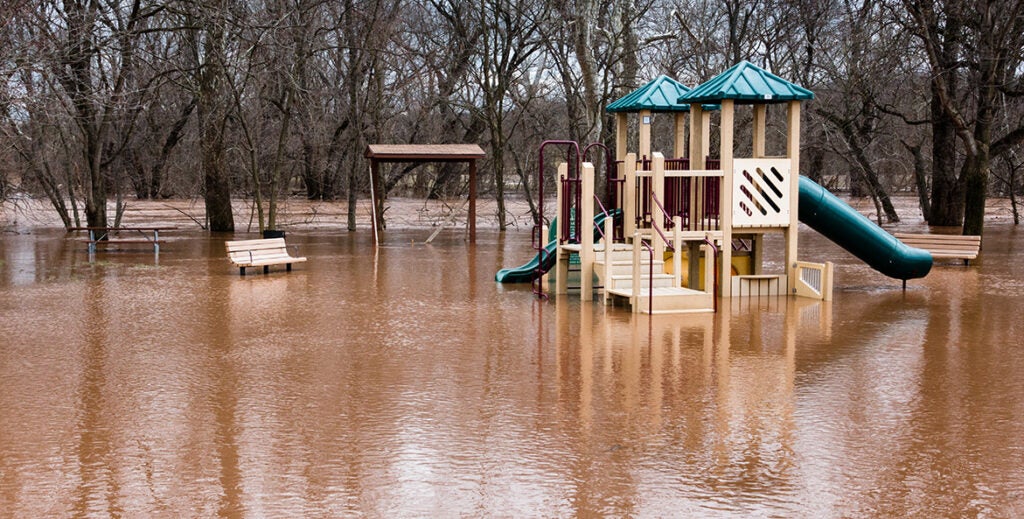
Are Floods the Future?
After a devastating and deadly July of extreme flooding and rainfall across the country, we asked: What does the future hold for the Chesapeake region? Christopher Sala, the Dr. Beth McGee Science Fellow at CBF, who has his Ph.D. in meteorology, atmospheric science, and climate science, examines how extreme rainfall is changing our region and what it means.
 Shannon Pearce/CBF Staff
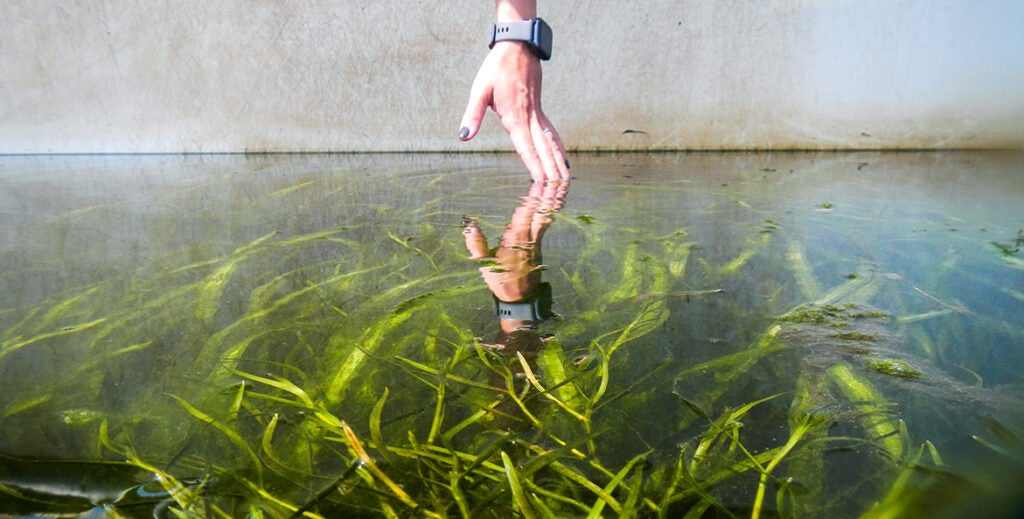
Underwater Grasses Send Mixed Messages
The annual Bay-wide survey of underwater grasses was released earlier this month. It gives insight into one of the most important habitats for the Chesapeake’s fish, crabs, water birds, and other wildlife. While the overall acreage of grasses declined by 1 percent from the previous year, it masks a more complicated story unfolding in different parts of the Bay.
 Elizabeth Ronston/CBF Staff
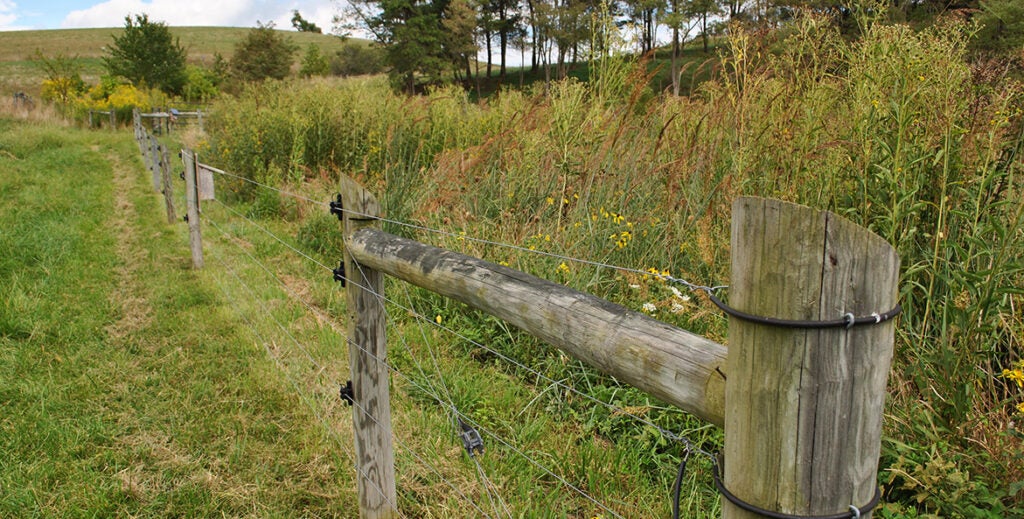
Virginia’s Path to Clean Water
Virginia’s gubernatorial and House of Delegates elections are fast approaching. To keep Virginia on the path to clean water, CBF recommends that elected officials, including Virginia’s next governor, support five key environmental priorities. They range from safeguarding forests and creating climate-resilient communities to continuing robust investments that reduce pollution from wastewater, stormwater, and agriculture.
 Susan Simonson
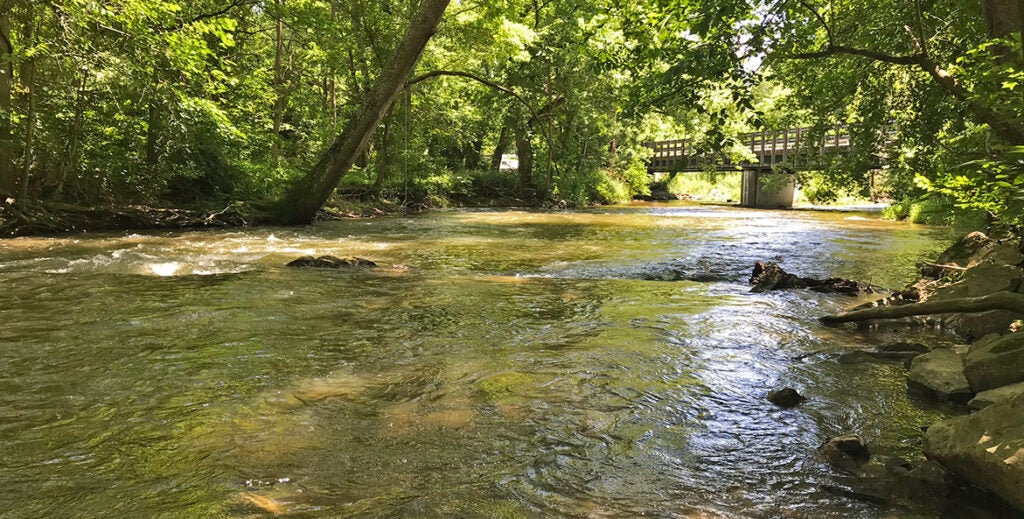
Renewal at Antietam
Maryland’s Appalachia region is home to some of the state’s most stunning forests, rolling farmlands, and tranquil freshwater streams—including those that flow into Antietam Creek. The creek is one of five areas selected as a pilot project for the Maryland Whole Watershed Act. Now, local partners will get the chance to try a holistic approach to restoring the water and land.
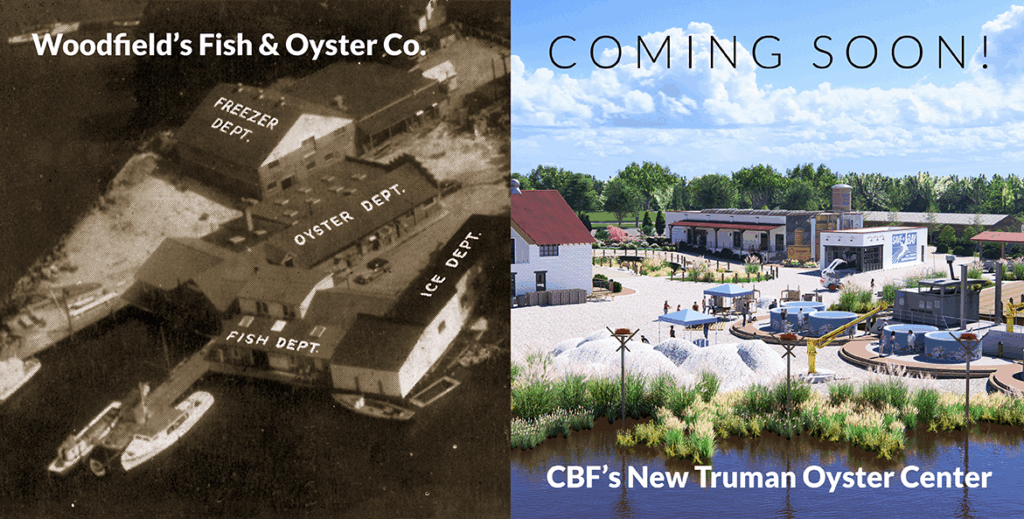
An Oyster Cannery’s New Chapter
In 1917, Herman A. and William F. Woodfield bought an oyster canning plant in Galesville, Maryland, that became one of the largest on the East Coast. In addition to oysters, it sold ice, white perch, shrimp, scallops, and herring roe. Now, the historic site is getting another lease on life as CBF’s new Truman T. Semans Center for Oyster Restoration and Innovation.
In the News
Chesapeake Bay Agreement draft falls short: This August is a pivotal time to urge stronger measures to protect the Bay as state and federal leaders around the region update the major agreement guiding Chesapeake Bay restoration.
EPA and Interior Bay restoration work escapes budget cuts: EPA’s Chesapeake Bay Program and Interior Department grants for habitat restoration and historic preservation cleared the first hurdle of Congress’s annual budgeting process without sustaining any cuts.
Striped bass fishery plan aims to address looming crisis: A proposed update to the plan, which could bring new limits for anglers, is out for a public comment, with final adoption expected in late October.
Fisheries regulators delay action for Chesapeake Bay menhaden: To address growing warning signs around the Chesapeake Bay, regulators voted in favor of further refining specific management changes to Virginia’s industrial reduction fishery, with new options expected to be presented at the Atlantic States Marine Fisheries Commission Winter 2026 meeting.
Veterans give back through oyster restoration: Roughly a dozen U.S. veterans and servicemembers joined CBF in July to restore oyster habitat in Maryland and Virginia.
Patapsco Wastewater Treatment Plant overflows: Roughly 21 million gallons of partially treated sewage overflowed from the plant near Baltimore in late May following heavy rainfall, a problem that could increase with climate change and aging infrastructure.
Osprey population on Virginia’s Eastern Shore collapses amid menhaden concerns: A May 2025 survey by Dr. Bryan Watts of The College of William and Mary’s Center for Conservation Biology documented a 90 percent decline of nesting osprey on Virginia’s Delmarva Peninsula.
48,000 pounds of litter removed across Virginia on Clean the Bay Day: Over 2,600 volunteers joined CBF’s annual event, helping proactively tackle the threat of microplastics in the Bay.
Experiencing sadness and seeking solutions after severe weather strikes Lancaster County: Storms in June turned Strickler Run into a raging torrent of runoff and debris, but CBF is working with the local community to develop a plan to rehabilitate it and other nearby streams.
What You Can Do
- Be a part of the next chapter in Bay restoration! The revised Chesapeake Bay Watershed Agreement, which guides clean water restoration in our region, has recently been released to the public for input. But we need Bay leaders to strengthen the agreement. Take action before the September 1 deadline!
- From climate resilience in Virginia to oyster gardening in Maryland, we’ve got a slew of events and volunteer opportunities coming up! Take a look at our events calendar to stay up to date.
- Join CBF at Virginia Rod & Reef on September 13 for a day of discovery and fun on the Hampton River! Anglers of all ages and skill levels are welcome to celebrate oyster reef habitat and restoration with a morning of fishing and education. Or join us September 6 in Maryland for the Maryland Rod & Reef Slam Youth and Family Fishing Derby, part of the third annual Oysters, Blues, & Brews.
- Sustain our fight to save the Bay! Become a Chesapeake Guardian today and we’ll send you a special gift to say thanks.
If you would like to receive these periodic updates directly to your email, sign up for our Save the Bay newsletter!
Related Stories
-
 Blog Story
Save the Bay News: Trout, Reef Balls, and the Lowdown on Vibrio
In this month’s newsletter, we talk blue crabs, menhaden, the rise of vibrio, and much more.
-
 Blog Story
Save the Bay News: Oyster Sanctuaries at Risk, Climate Rollbacks, and Celebrating Soft-Shell Crabs
In this month’s newsletter, we discuss threats to oyster sanctuaries, climate rollbacks, and favorite watershed spots to explore this summer.
