Harry Campbell
Pennsylvania Science Policy & Advocacy Director

Harry Campbell is CBF’s director of science policy and advocacy in Pennsylvania. With nearly 30 years of experience in watershed science, policy, and advocacy across academic, governmental, private, and nonprofit sectors, he previously served as the executive director of CBF’s Pennsylvania office for almost eight years. In his current role, he bridges science and policy-integrating technical research into conservation projects and legislative priorities.
Campbell is celebrated for innovative initiatives that have reshaped Pennsylvania’s environmental landscape. He spearheaded legislation establishing the Keystone Tree Fund and created the Agricultural Conservation Assistance Program. He also guided the successful designation of the Eastern hellbender as Pennsylvania’s state amphibian and conceived the Keystone 10 Million Trees Partnership to plant native trees across the Commonwealth. Under his leadership, CBF’s Pennsylvania office expanded strategic partnerships and secured substantial federal funding through the Renewal Project team to advance watershed resiliency.
A frequent lecturer, panelist, and documentary contributor, Campbell serves on the Pennsylvania Science and Technology Policy Program Advisory Board and the Department of Environmental Protection’s Water Resources Advisory Committee. He began his career in academia, government, consulting, and other nonprofits focusing on stream bioassessments, TMDL development, and ecotoxicological studies. He holds a bachelor’s degree in environmental resource management and a master’s in environmental pollution control from Penn State. Raised in northern Luzerne County, he now resides in the Harrisburg area with his family.
Featured Stories
-
 Blog Story
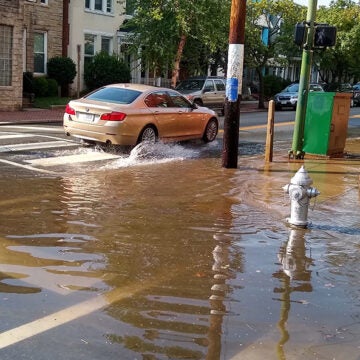
Pennsylvania Should Stand up for Stormwater
Pennsylvania has long rallied communities to protect our rivers and streams, which is why the President’s recent executive order aimed at reversing clean water protections is so hard to understand.
-
 Blog Story
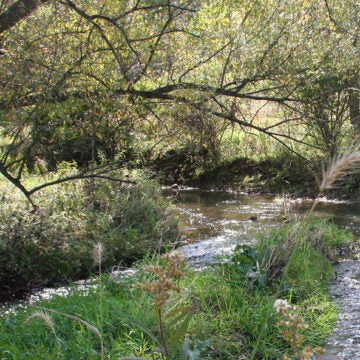
Roadmap to Renewal for Pennsylvania Waters
According to the Draft 2026 Integrated Water Quality Report from the Department of Environmental Protection, 31,451 miles—about 37%—of Pennsylvania’s rivers and streams fail to meet water quality standards and are considered impaired.
