Habitat Loss
The Chesapeake Bay watershed provides food, water, protection, and nesting/nursery areas to more than 3,600 species of plants and animals. Loss of these critical habitats is one of the biggest threats to fish, wildlife, and a healthy environment across our region.
Fostering a healthy habitat is vital to restoring the health of the Chesapeake Bay watershed and the life that depends on it.
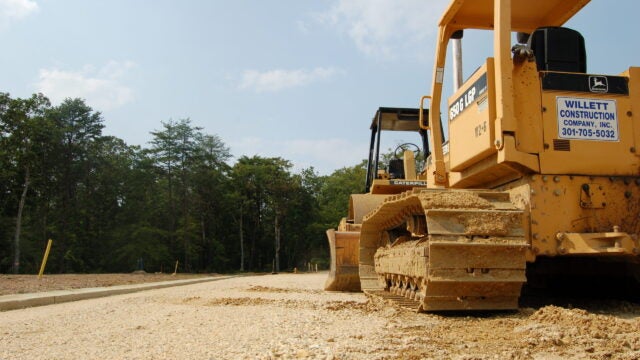
Habitat can be lost to destruction, fragmentation, and degradation. Habitat is destroyed when wetlands are filled in, trees are cut down, rivers are dredged, and land is developed. Habitat is fragmented when a species’ territory is divided by roads, development, dams, and other physical features that make it difficult for the fragmented areas to support resident and migratory species. Degradation occurs when the ecosystem is disrupted in a way that reduces its ability to support native wildlife, such as by pollution, climate change, or the introduction of invasive species.
Habitats of the Chesapeake Bay Region
From the hardwood forests of the Appalachian Mountains to the saltwater marshes of the Bay, the habitats of the Chesapeake Bay region sustain more than 3,600 species of plants and animals.
Riparian forests, which border rivers, streams, and the Bay, are extremely beneficial for wildlife. They provide numerous underwater crevices and woody and vegetative detritus that offer food and shelter for small bottom-dwelling creatures such as insects, amphibians, reptiles, crustaceans, and small fish, which are crucial to the aquatic food chain. Streamside forests also help maintain cooler summer water temperatures, critical for species that are highly sensitive to temperature, such as trout.
They also provide perching, nesting, and foraging habitat for bald eagles, herons, egrets, and other birds, and are also crucial for migrating birds.
Estimates for the eastern United States have found at least 26 mammals, 27 birds, 50 reptiles, and 70 amphibians that require riparian habitats for some part of their lives.
Within the Chesapeake Bay watershed, five major rivers—the Susquehanna, Potomac, Rappahannock, York, and James—provide almost 90 percent of the freshwater that enters the Bay. These, along with hundreds of thousands of smaller rivers and streams, provide habitat necessary for many fish species, as well as invertebrates, reptiles, and amphibians.
Underwater Bay grasses (also known as submerged aquatic vegetation or SAV) are plant communities that provide food and shelter for waterfowl, fish, shellfish, and invertebrates. Aquatic creatures like shrimp and crabs use Bay grass beds and shallow shorelines as nursery areas and for refuge. These areas also support microscopic plants that are a source of food for crabs and fish.
Although unseen by the naked eye, microscopic plants and animal life (plankton) float in the open waters. These tiny organisms form the food base for many other animals. Hundreds of thousands of wintering ducks, particularly sea ducks like scoters, old squaw, and mergansers, depend on open water for the shellfish, invertebrates, and fish they eat during the winter months. Open water also supports oysters and other bottom-dwellers. Oysters and other filter feeders help maintain water quality by filtering suspended organic particles out of the water. The oyster reef itself is a solid structure that provides habitat for other shellfish, finfish, and crabs.
Bay islands are a haven for waterbirds (terns and herons), waterfowl (ducks), and raptors (osprey and bald eagles). Islands can also protect underwater Bay grasses and shallow water areas from erosion and sedimentation.
Tidal and non-tidal wetlands provide some of the most productive habitat for widely diverse wildlife. Their rich vegetation provides food, shelter, spawning, and nursery areas for fish and shellfish; wintering grounds for migrating waterfowl; and shelter and food for amphibians, reptiles, mammals, and birds.
With their clean, hard surfaces and intricate three-dimensional structure, large oyster reefs attract a wide variety of life. They provide food, cover, and habitat for hundreds of small and juvenile fish, crabs, shrimp, and other species, which in turn provide prey for larger fish and crabs.
Threats to Chesapeake Habitats
Many factors contribute to the destruction, fragmentation, and degradation of habitat across the Chesapeake Bay watershed.
Excess nutrients like nitrogen and phosphorus, as well as sediment deposits, endanger important underwater grass beds, oyster reefs, and other Bay habitats. Furthermore, these harmful pollutants often end up choking our waters of necessary oxygen that Chesapeake critters need to survive.
For more than 20 years, development has been the largest cause of forestland loss in the Bay watershed. According to the Chesapeake Bay Program, between 1982 and 1997, 750,000 acres of forestland were developed—equivalent to 20 Washington, D.C.s. The Bay watershed continues to lose forestland at the rate of 70 acres a day. It is estimated that by 2030, 9.5 million acres of forest will see increased development. This results in loss of air and water filters, wildlife habitat, and other significant functions that forests provide. Development also causes more sediment pollution to run into and muddy our waters and Bay during construction.
Average sea levels in the Chesapeake Bay have been rising due to climate change and naturally subsiding coastal lands, resulting in submerged or lost habitat. Hundreds of islands have disappeared entirely in the Bay already; many more are at risk. Wetland habitats are also at risk from sea-level rise. The Bay’s natural low-lying topography coupled with growing coastal population make it especially vulnerable.
How Habitat Loss Impacts Wildlife
Threats to habitat affect every species in the Chesapeake Bay. Many species in the Bay watershed have already suffered due to habitat loss.
Highly prized by recreational anglers, brook trout are the East Coast’s only native trout and an essential species in the freshwater ecosystems of streams in the upper Chesapeake watershed. They rely on clean, cold stream habitat and are sensitive to rising stream temperatures, making their presence a sign of healthy waters. Unfortunately, populations have been declining for more than a century. Warmer waters resulting from climate change and the loss of shade from streamside forested buffers, and increased sediment and nutrient levels from polluted runoff and development, are among the contributing factors.
For 200 years, American shad was the most valuable and important fishery in the Chesapeake Bay. But after decades of harvest pressure, pollution, and migration barriers, this iconic fish has been in dangerous decline. Few people today under the age of 40 have even heard of shad. Among the many pressures on these highly sensitive fish are dams and other structures that block adults from traveling upriver to their spawning grounds, loss of underwater grass beds which are crucial habitat for juveniles, and sediment that can suffocate eggs and larvae.
The largest salamander in North America, the Eastern hellbender was plentiful in the Bay watershed decades ago. Today, their populations are teetering and their habitat faces multiple threats. Cold, clear, swift-running freshwater streambeds are critical habitat. But a lack of streamside trees and their shade, especially in Pennsylvania, allows waters to warm, polluted runoff to enter rivers and streams, and silt to build up in streambeds. As a result, habitat for hellbenders has been degraded and their populations have been decimated.
According to the Chesapeake Bay Program, more than 200,000 black ducks used to winter in the Chesapeake region. That number has dropped to fewer than 52,000. Among the reasons cited by scientists is the loss of wetland habitat. Black ducks nest in secluded marshes and forested wetlands.
What CBF is Doing to Restore Habitat
CBF is working across the Bay region to combat threats and restore vital habitat for Chesapeake creatures.
CBF works with farmers and communities to plant trees and build streamside buffers.
Our extensive oyster restoration efforts are restoring and building oyster reefs throughout the Bay and its rivers.
We are committed to holding states and federal agencies accountable to reduce nitrogen, phosphorus, and sediment pollution. Our advocacy and litigation efforts fight for legislation and practices that restore and protect the Bay and, in turn, its critical habitat. We also monitor potentially harmful developments and work to ensure that protections for our lands and waters are enforced.
How You Can Help Protect Habitat
From hands-on restoration to advocacy, you can help protect the habitats that provide food, water, and homes to more than 3,600 species of plants and animals.
Support our efforts with a donation to help CBF continue to advocate for government policies that protect our environment.
Check our Action Center for ways you can take action today for the Bay.
Related Programs
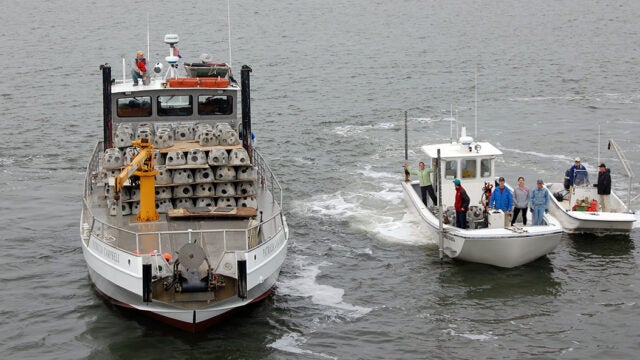
In support of re-establishing this keystone species, CBF has established facilities and programs in Maryland and Virginia devoted to restoration of the Eastern oyster, Crassostrea virginica.

Do you enjoy working with others to help restore the Chesapeake Bay and its rivers and streams? Whether growing oysters, planting trees, or helping in our offices, there are plenty of ways you can contribute.
