Saving the Potomac River
The Potomac is now America’s “Most Endangered” river. Here’s how to turn that around.
The Potomac River earned a dubious distinction this month, topping American Rivers’ list of the country’s most endangered rivers. The disastrous spill of 243 million gallons of sewage in January sent it up the list, along with the rampant growth of water-thirsty data centers near the river.
Less visible are the cumulative effects of pollution from the nearly 7 million people who call the Potomac watershed home.
This isn’t the first time the Potomac has gained notoriety. Fortunately, the river is cleaner today than in the 1960s, when sewage, trash, and other visible pollution ran rife. In 1965, President Lyndon Johnson called the Potomac a “national disgrace” and urged coordinated cleanup efforts that have since greatly reduced pollution in the river. But today, new and growing challenges from climate change, development, and aging infrastructure threaten to upend progress.
Despite these problems, the Potomac remains a place of beauty.
There’s the awe-inspiring power of Great Falls and the clear-shallow riffles of the West Virginia’s South Branch along Seneca Rocks. From watermen harvesting crabs in the wide waters of Virginia’s Northern Neck, to joggers and commuters along the water in D.C., the Potomac shapes life around the region.
Perhaps more than ever, the river needs our care and protection from today’s challenges. Here’s how we’re working to turn things around:
Sewage systems can be more than 100 years old and need maintenance and repair to avoid catastrophe like the recent massive failure along the Potomac Inceptor. Yet the Trump Administration just proposed a 90 percent cut to federal programs that help local communities pay for these upgrades.
We are working with members of Congress to ensure there’s continued federal support for maintaining aging sewage infrastructure in the final budget. States, municipalities, and Washington, D.C., should continue to do their part by helping fund this work.
 Kenny Fletcher
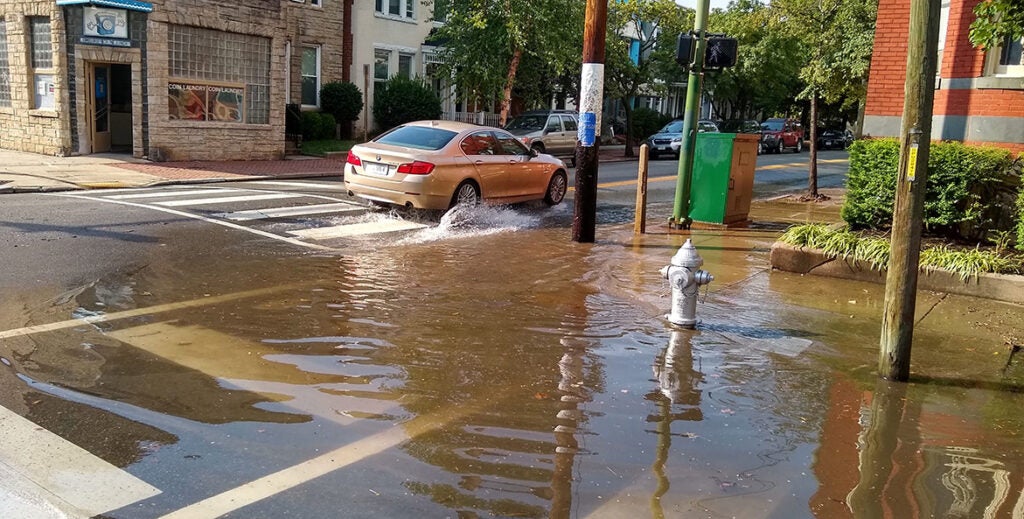
Stormwater runoff, which happens when rain washes pollution from roads, parking lots, and buildings into streams and rivers, is the fastest growing pollution source in the Bay watershed. Runoff challenges are worsening from increased development and more intense rainfall from climate change.
Current stormwater pollution regulations are not sufficiently keeping pace with these environmental challenges. States need to invest in solutions. We have the tools at our fingertips to fix this, including policy reform and proven natural solutions, like planting trees to alleviate flooding. Now it’s time to prioritize and enforce stormwater controls across state and local agencies, developers, and property owners.
In the immediate term, Virginia legislators weighing the biennial budget can invest in the Stormwater Local Assistance Fund and the Virginia Conservation Assistance Program. These programs help private property owners, schools, and community groups develop solutions to cut down on polluted runoff. They kick-start projects from major stormwater upgrades to smaller steps like removing pavement and planting rain gardens.
Data centers are a growing concern, with northern Virginia the de facto data center capital of the world. In the D.C. metro area, data centers consumed 4 million gallons of water per day on-site for cooling, on average in 2025, according to a recent report from the Interstate Commission on the Potomac River Basin. Energy development to power these centers uses even more water. Building data centers can increase polluted runoff, and diesel generators create pollution.
In a step forward, lawmakers in Virginia approved legislation during the 2026 General Assembly session to tally how much public drinking water the largest data centers actually use. Virginia, Maryland, and local governments must keep pushing for the transparency and controls needed to stop data centers from consuming and polluting our water.
 Rebecca Long
Agriculture has long been part of the landscape and culture along the Potomac, and reducing pollution from farms is vital to protecting the Potomac. Farmers need continued state and federal support to put practices in place that both benefit their operations and deliver pollution reductions to our rivers.
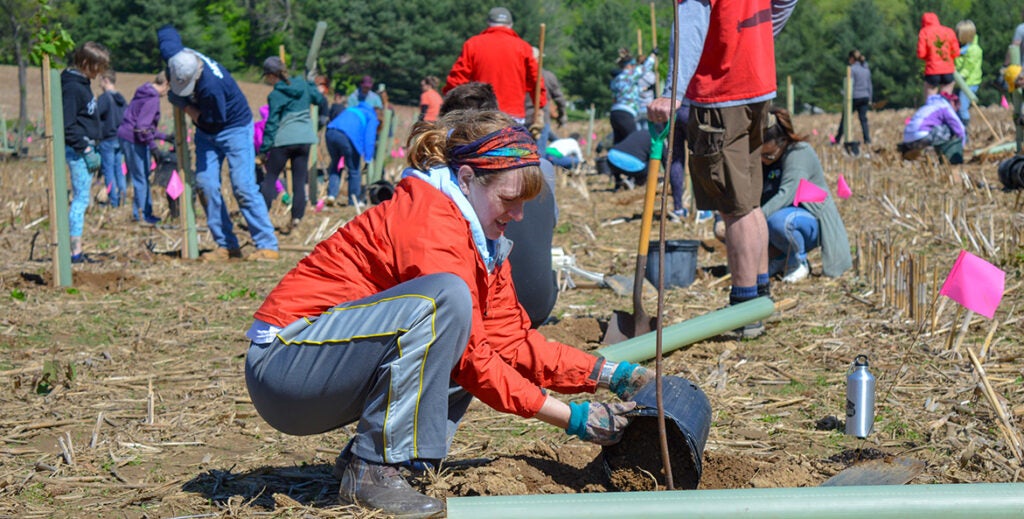
CBF and partners have recently targeted restoration in the Upper Potomac watershed to reduce pollution from farms and residential areas. In northwestern Maryland, we have planted thousands of trees along streambeds to effectively absorb pollution and keep streams cool. Throughout Virginia’s Shenandoah Valley, we’re working with farmers on innovative livestock grazing practices that help cut pollution. This work was just boosted by a federal regenerative agriculture grant. Virginia’s pay for performance program has also tied grant funding to measurable pollution prevention or reduction in rivers like Potomac.
Solar development is an important part of the transition to clean energy, but it shouldn’t lead to sacrificing large swaths of forests and the health of waterways. Virginia enacted new regulations last year intended to mitigate environmental damage from solar projects, and Virginia DEQ has redoubled enforcement of erosion control laws. We’ll continue our advocacy across the region to ensure solar projects are done responsibly.
Toxic forever chemicals like PFAS are a growing concern for the health of people and safety of drinking water. Just this month, Virginia health officials issued a fish consumption advisory for the Occoquan watershed in Northern Virginia due to elevated PFAS levels in certain fish species like largemouth bass and bluegill sunfish.
CBF supported legislation in both Virginia and Maryland that seeks to reduce the prevalence of PFAS, or “forever chemicals,” in sewage sludge applied to agricultural lands. There’s still a long way to go, and states and local authorities must continue to better understand and control this dangerous pollutant.
Sending a Lifeline
The Potomac River is signaling us for help again. It’s not too late to send a lifeline. We’ve seen great progress toward a healthier Potomac thanks to coordinated state, federal, and local efforts in recent decades. With new threats looming, it’s time to do it again.
The ‘most endangered’ designation should be a wake-up call for states and the federal government to stop pollution at its source and invest in a healthier river for everyone in our region.
Related Stories
-
 Blog Story
Is the Chesapeake Bay the Best It’s Ever Been?
The Chesapeake Bay scored a “C+” in the latest report card released by the University of Maryland Center for Environmental Sciences. It’s the best grade in 40 years, but there’s more to the story.
-
 Blog Story
As Summer Heats Up, Vibrio Comes Into Focus for the Bay
As climate change helps drive longer-term increases in water temperatures in the Bay, cases of Vibrio vulnificus—a rare, “flesh-eating” bacteria that thrives in brackish or salty waters—have been increasing in Maryland and Virginia in recent years as well.
