Energy
CBF supports energy solutions that reduce pollution and climate risk while minimizing harm to local environments.
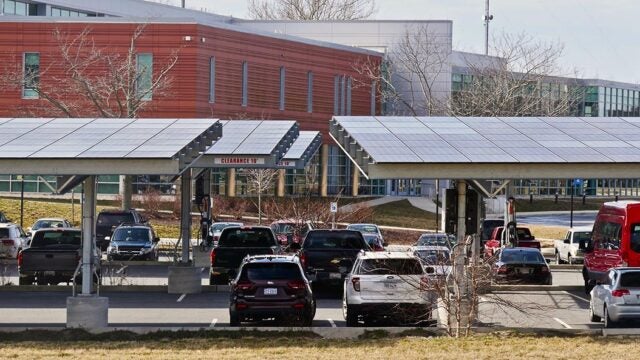
Bay watershed states are increasingly seeking ways to meet their renewable energy goals, but how new energy sources are developed matters for the health of rivers, streams, wetlands, and the Bay itself. Energy development must balance climate and emissions goals with protecting land, water, and ecosystems.
Solar Energy
Solar energy is a key strategy to lower carbon emissions and reduce air pollution in the Bay region. But to minimize environmental damage, solar facilities should preferentially use already developed lands (e.g. rooftops, parking lots, brownfields) rather than intact natural areas or farmlands. Download CBF’s Principles and Practices for Solar Power.
- Solar power reduces greenhouse gas emissions and cuts harmful air pollution—which contributes nearly one-third of nitrogen pollution entering local waterways and the Chesapeake Bay.
- Solar energy can also mean reduced electricity bills and increased home values for property owners.
- The growing demand for solar energy drives job creation in manufacturing, installation, and maintenance, contributing to economic growth.
The environmental benefits of solar, however, depend greatly on how solar projects are designed, located, and developed. Clearing forests, wetlands, or high-quality farmland for solar installations can lead to increased polluted runoff, sedimentation, or habitat loss, thereby harming streams and rivers.
Natural Gas
CBF monitors and advocates for responsible natural gas practices in areas such as drilling (including hydraulic fracturing), pipeline siting, infrastructure, and in balancing energy needs with ecosystem protection.
When done responsibly, natural gas produces significantly less carbon dioxide than coal and oil. Burning natural gas emits little to no sulfur, ash, or soot, contributing to better air quality. And it is generally more affordable than other fossil fuels, leading to lower energy bills for homes and businesses. No one disputes the need for local clean, efficient energy resources. But there are concerns over the potential impact to our land and water.
As energy companies increase extraction of the country’s natural gas reserves, concerns arise about the environmental consequences of its production, transportation, and storage. While many argue that natural gas provides a cleaner “bridge fuel” compared to certain fossil fuels, the risks include water contamination, habitat disruption, pipeline leaks, or other land-use impacts. CBF emphasizes that any future natural gas development in the Bay watershed must proceed with extreme caution and rigorous safeguards.
Offshore Drilling
CBF holds a firm position against expanding offshore oil and gas drilling in the Bay watershed region. Such expansion poses unacceptable risks to coastal communities, marine life, seabirds, local economies, and the environment.
Potential offshore drilling zones include waters off the mouth of the Chesapeake Bay, which host critical habitat for many Bay species during their life cycles. Even a small oil spill could devastate the blue crab population by killing its larvae.
Normal offshore drilling operations release toxic pollution into the air and water. Exploration and drilling at the platform, transportation via tankers, and refining the oil on land can all release volatile organic compounds, greenhouse gases, and other air pollutants.
Offshore drilling also has a direct impact on climate change by increasing our reliance on fossil fuels. Climate change is already affecting the Chesapeake Bay through more intense storms, warmer waters, and rising sea levels. It is a threat we simply cannot afford to ignore. This is a time when we should be turning towards renewable energy alternatives, energy efficiencies, and conservation and not perpetuating our dependence on oil and gas.
From Baltimore to the Potomac to Norfolk, CBF has taken an uncompromising stand against any expansion of the oil and gas industry in the Bay watershed for four decades. By using our voices, we can help ensure that the Chesapeake Bay and the communities, wildlife, and industries that depend on it are safe from the risks of offshore drilling.
Most recently, we submitted formal comments to the Bureau of Ocean Energy Management on its 2019-2024 Draft Proposed Outer Continental Shelf Oil and Gas Leasing Program in 2018. Our comments reaffirmed our strong opposition to opening the Atlantic outer continental shelf to oil and gas drilling due to the unacceptable risks from spills and from climate change. Join our Action Network to stay up to date on how you can help our advocacy efforts.
You can help defend our coasts by telling your federal representative and senators, as well as your state lawmakers, to stand up for our Bay. Tell them why protecting the Bay from offshore drilling matters to you.
