Two Childhoods, One Bay
From flaming rivers to cleaner air, explore how 55 years of environmental action—and inaction—shape the world our children inherit.
We are at a pivotal moment in the movement for environmental and public health protections. Decades of environmental progress stand at risk, as recent regulatory rollbacks and proposed budget cuts to the Environmental Protection Agency (EPA) threaten to unravel hard-earned gains, putting the health and safety of millions at risk. Weakening safeguards for our air, water, and climate endangers communities that rely on them to prevent pollution-related illnesses, toxic exposure, and environmental degradation.
We understand the causes of chronic health issues as environmental injustices so much more aptly than 50 years ago.
Lauren Johnson, Manager of Climate Justice Solutions at the Environmental Defense Fund
This is a turning point—but how did we get here? To understand the stakes, imagine two lives shaped by environmental policy. Meet Michael, born in 1970, a time when environmental protections were in their infancy. Now meet Olivia, born in 2025. Imagine that both grow up in the Chesapeake Bay region, yet the decades of environmental decisions between their births shape their health and surroundings in profoundly different ways. The contrast between their experiences reveals just how much thoughtful protections matter—and how much we stand to lose if they are dismantled. Here is just a glimpse of what’s at stake.
A River on Fire
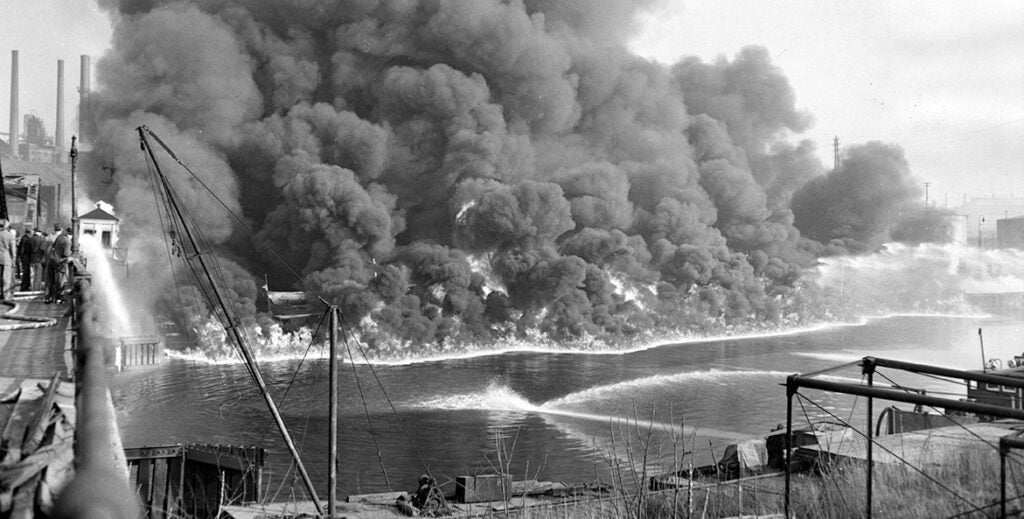 Cleveland Public Library Digital Gallery
In 1969, while Michael’s mother paints the nursery, the Cuyahoga River catches fire. Decades of industrial pollution have transformed it into a toxic stew. The blaze sparks national outrage and fuels the environmental movement. Just a year later, the EPA is born—tasked with protecting public health and the environment.
By contrast, in 2025, Olivia is born into a cleaner world. Rivers don’t catch fire anymore. But while her mother loads the trunk with baby gear, the EPA is undergoing its biggest rollback in its 53-year history—mass layoffs and a proposed 54.5 percent budget cut threaten to undo decades of progress. Among the casualties: $2.5 billion slashed from the Clean and Drinking Water State Revolving Fund, which provides vital financing for clean water infrastructure.
Lauren Johnson, Manager of Climate Justice Solutions at the Environmental Defense Fund, warns: “We are now able to quantify the disproportionate toll of environmental health hazards on our most vulnerable communities. We understand the causes of chronic health issues as environmental injustices so much more aptly than 50 years ago.” Yet, just as our understanding deepens, protections are being dismantled.
The Air We Breathe
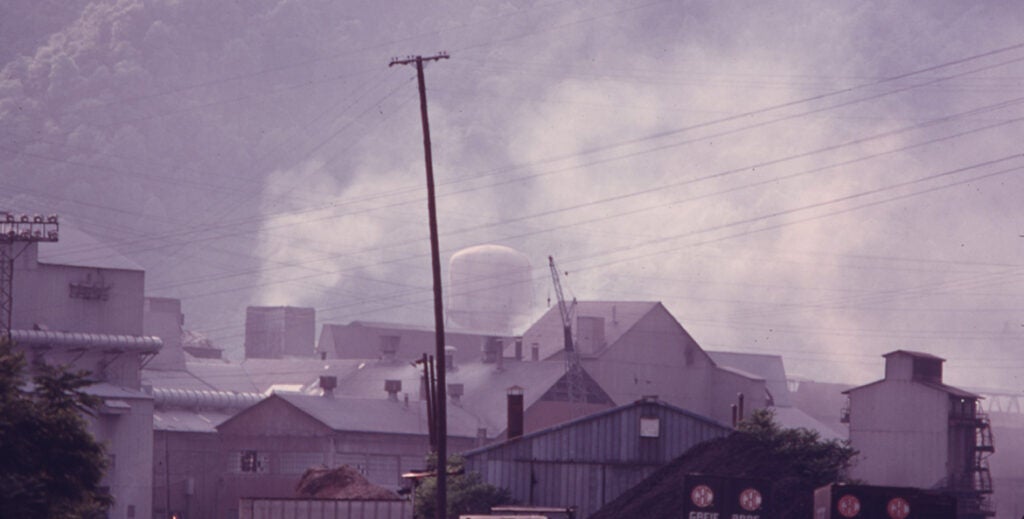 National Archives/EPA Documerica Project
As Michael nears his first birthday, Congress passes the Clean Air Act. His mom notices less smog and fewer coughing fits. The landmark law requires states to meet national air quality standards, dramatically improving public health.
Olivia breathes cleaner air, too, yet emerging threats still loom. Ground-level ozone and nitrogen oxides remain serious concerns. And early in her life, EPA rollbacks weaken regulations on heavy metals and fine particulate matter, raising her risk for asthma and respiratory illnesses.
Dr. Ruth Etzel, pediatrician and environmental epidemiologist, explains the dangers: “We now understand that chronic exposure to polluted air slows the rate of lung function growth in children. Lower lung function in childhood may predispose children for asthma and chronic obstructive pulmonary disease later in life.”
In May 2025, the Trump administration issues a presidential proclamation exempting 68 coal plants—including 16 in Pennsylvania—from upgrading pollution controls, allowing continued emissions of dangerous heavy metals and particulate matter. The air Olivia breathes is now more vulnerable than ever.
The Water We Drink
 National Archives/EPA Documerica Project
We now understand better that children who do not have clean water at home have a higher risk of respiratory and skin infections.
Dr. Ruth Etzel, pediatrician and environmental epidemiologist
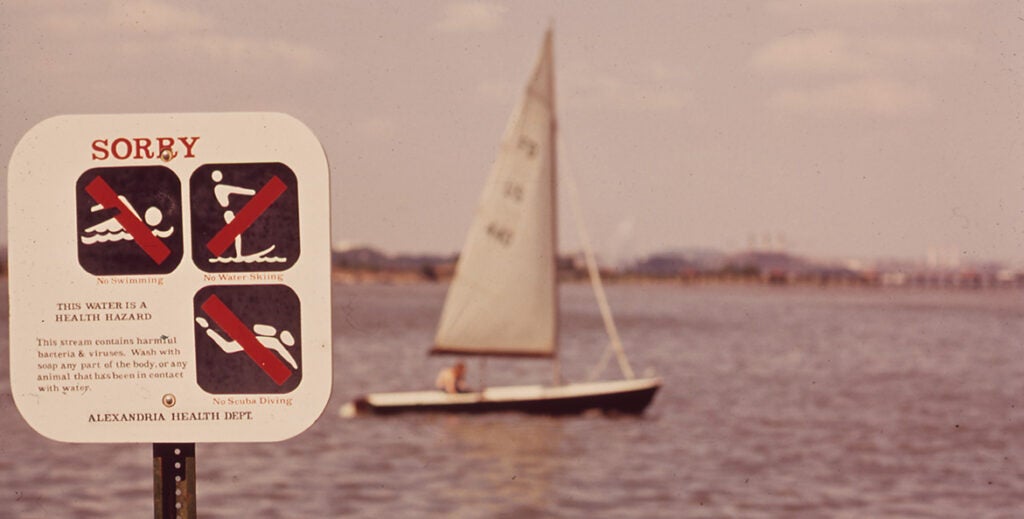
At age three, Michael gets sick from drinking tap water. In 1970, 90 percent of U.S. drinking water systems exceed microbial limits, posing a serious public health risk. Four years later, Congress passes the Safe Drinking Water Act, setting the first federal standards for drinking water quality. Around the same time, the Clean Water Act strengthens protections for the nation’s lakes, rivers, and streams, reducing industrial pollution and improving overall water safety. These policies drastically reshape the landscape of clean water in the Chesapeake Bay region.
By 2025, Olivia’s mom confidently refills her sippy cup from the tap—a legacy of these protections. But with EPA staff cuts across Maryland, Virginia, and Pennsylvania, enforcement grows uncertain, putting the progress of clean water protections at risk.
Dr. Etzel underscores the stakes: “We now understand better that children who do not have clean water at home have a higher risk of respiratory and skin infections.” Clean water is a lifeline—yet weakened protections make it increasingly vulnerable to contamination and drought.
A Healthy Community
 Peter Cross
Michael’s early childhood was shaped by growing environmental protections, steadily improving life in the Chesapeake Bay region. Bipartisan support helped drive cleanup efforts to restore ecosystems and safeguard public health.
Olivia’s future, however, is less certain. Deregulation and funding cuts threaten to undo years of progress, placing the health of the Bay—and the children who call it home—at risk. Yet, her community still holds the power to shape what comes next. From building living shorelines to learning how to advocate for stronger protections, there are countless ways to defend the Bay’s future.
Rise up with us now
Contact your members of Congress and urge them to do the right thing: Protect environmental funding! Protect agency staffing!

A cleaner, healthier Chesapeake Bay depends on voices like yours. Get involved today—visit the CBF Events Calendar and find your place in providing clean water and air for generations to come.
Related Stories
-
 Blog Story
How Has the Government Shutdown Threatened Chesapeake Bay Restoration?
Farmers working on conservation projects get hit hard
-
 Blog Story
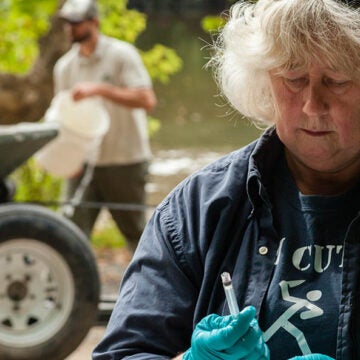
USGS “Sentinel Scientists” Perform Vital but Unseen Role in Bay Restoration
Investments in USGS science illuminate hidden threats and pay data-driven dividends for the Bay watershed.