What Makes CBF Green
From sustainable building to regenerative agriculture, CBF is walking the walk of environmental responsibility.
We say it all the time—saving the Chesapeake Bay requires everyone working together, and it starts with the actions each of us take every day. That includes CBF.
From designing and operating facilities that are at the leading edge of sustainability, to sourcing materials and choosing vendors that reduce our impact on the Bay’s water, air, and wildlife, CBF is committed to modeling the values and practices that we advocate.
What Makes CBF Buildings Sustainable?
CBF facilities are one of the primary ways that we work to reduce our water and energy use and protect the landscapes that we steward.
 Chesapeake Bay Foundation
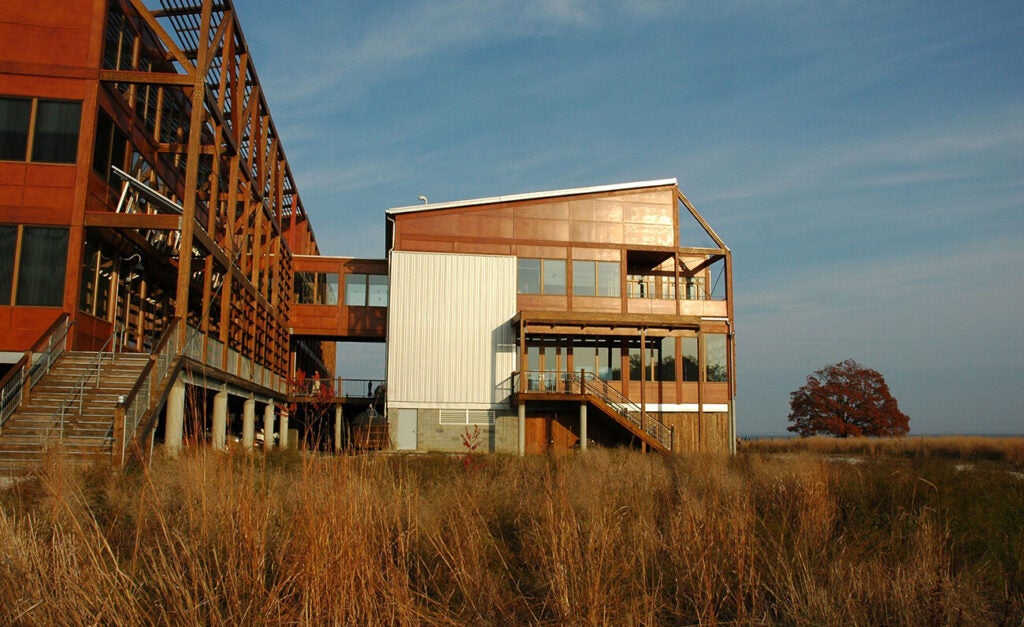
The Philip Merrill Environmental Center, home to CBF headquarters in Annapolis, was the first building to receive the U.S. Green Building Council’s Platinum rating for Leadership in Energy and Environmental Design (LEED). Opened in 2001, the building design incorporated recycled materials, energy-efficient design, solar power, and water-saving measures such as composting toilets. It also maintains the surrounding native wetland habitat and reduces harmful runoff by incorporating parking underneath the building and capturing rainwater from its roof for use on-site.
CBF’s Brock Environmental Center in Virginia Beach, completed in 2014, once again pushed the envelope for sustainability. It is one of the world’s greenest buildings, earning both a LEED Platinum designation and full certification as a Living Building, an even more advanced measure of sustainable building. The building uses only as much energy as it generates in a year, relying on geo-thermal heating and cooling as well as solar and wind power. It can also capture, store, and filter all of the water it needs by treating and re-using rainwater. (The photo at the top of this page shows the wind turbines and solar panels on the Brock Environmental Center.)
Find out more about the making of this green building.
How Does CBF Practice Sustainability?
In addition to our facilities, CBF takes steps to reduce our environmental impact through the way we conduct our work.
For example, our operations team continually works to reduce the amount of paper we use, source recycled materials for facility repairs and maintenance, use electric-powered equipment when possible, and choose vendors that use products that are healthier for people and the environment.
Similarly, CBF events like Bands in the Sand are plastic-free and rely on compostable materials to reduce waste. We also promote the use of these materials at events hosted at our sites.
 Caroline Phillips
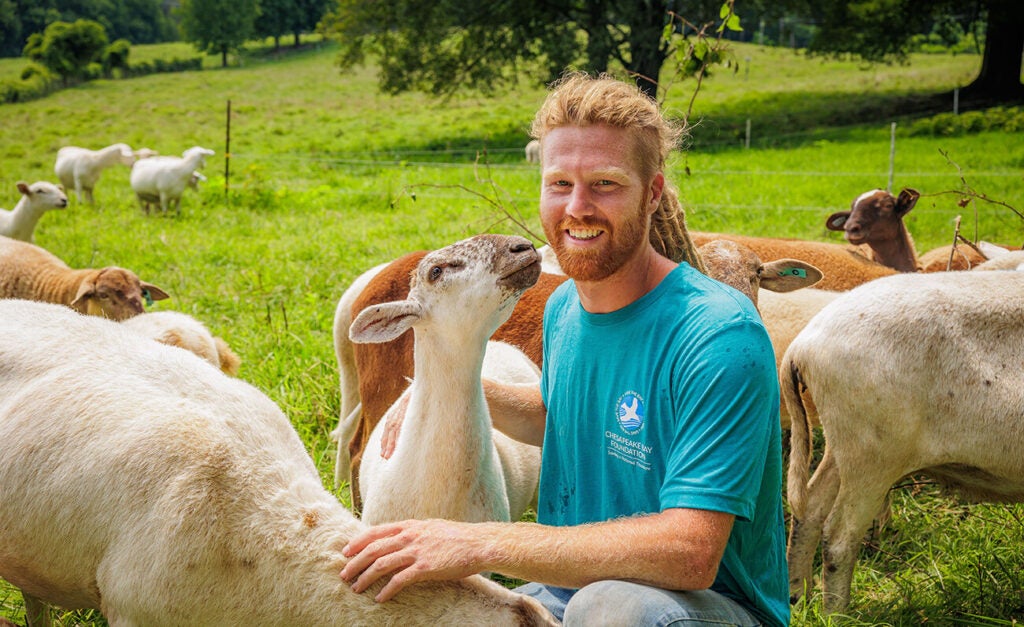
In addition, we continue to practice what we preach at our education programs across the watershed. Students and teachers on our overnight field experiences get a first-hand look at the water-saving practices used at our island education centers, while visitors to CBF’s Clagett Farm observe regenerative agriculture in action.
What’s Next for Sustainability at CBF?
Two new projects will continue CBF’s tradition of sustainable practice. The Truman T. Semans Center for Oyster Restoration and Innovation in Galesville, Maryland is expected to begin operations in 2027. It will include features like on-site solar, EV chargers, and living shorelines to minimize pollution while preserving habitat for fish and wildlife.
 CBF Staff
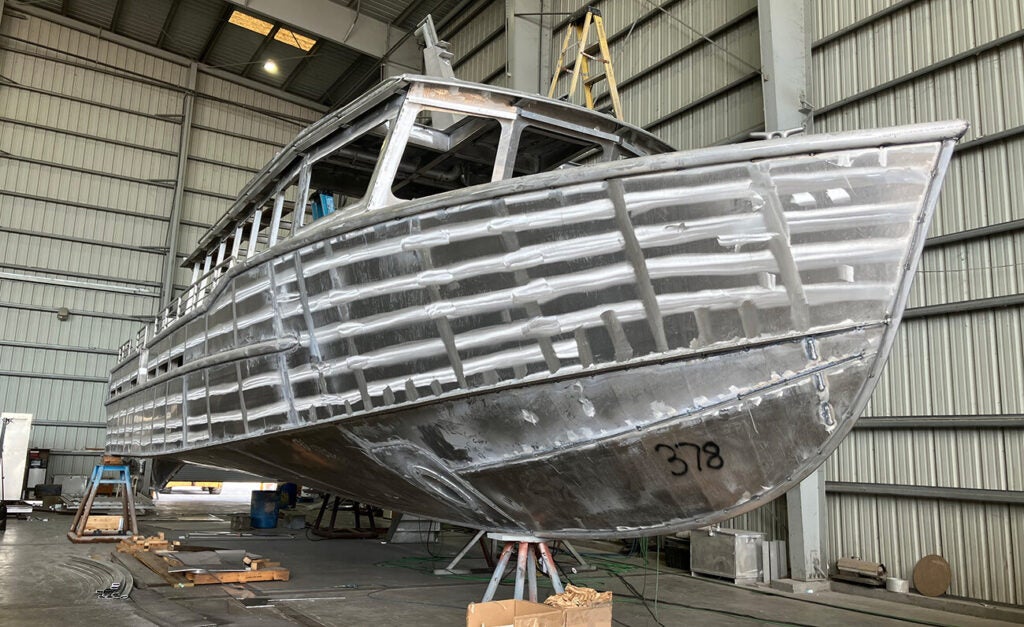
CBF’s fleet of “floating classrooms” will also soon include two green boats. Among the first of their kind, these hybrid-electric boats will be used in our education programs to enhance learning opportunities for the next generation of Bay savers, while reducing carbon emissions and pollution to the Bay. While CBF’s fleet is already optimized to use clean diesel, our goal is to eventually replace our entire fleet with green vessels.
