Keystone 10 Million Trees Partnership
The Keystone 10 Million Trees Partnership is a collaborative effort of national, regional, state, and local agencies, conservation organizations, outdoors enthusiasts, businesses, and residents committed to improving Pennsylvania's communities, economy, and ecology.
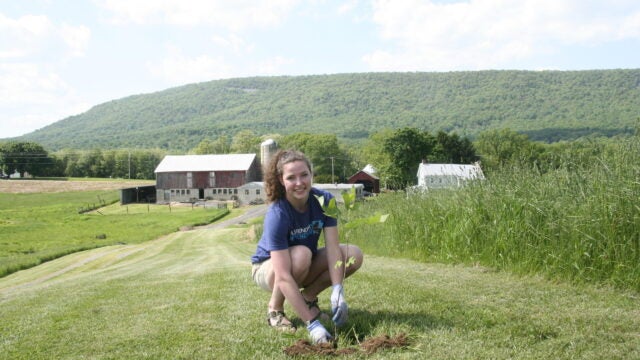
In May of 2026, CBF celebrated the successful conclusion of the Keystone 10 Million Trees Partnership. This collaborative effort of national, regional, state, and local agencies, conservation organizations, outdoors enthusiasts, businesses, and residents worked for more than eight years to add 10 million new native trees to landscapes throughout Pennsylvania, to benefit of our communities, economy, and ecology.
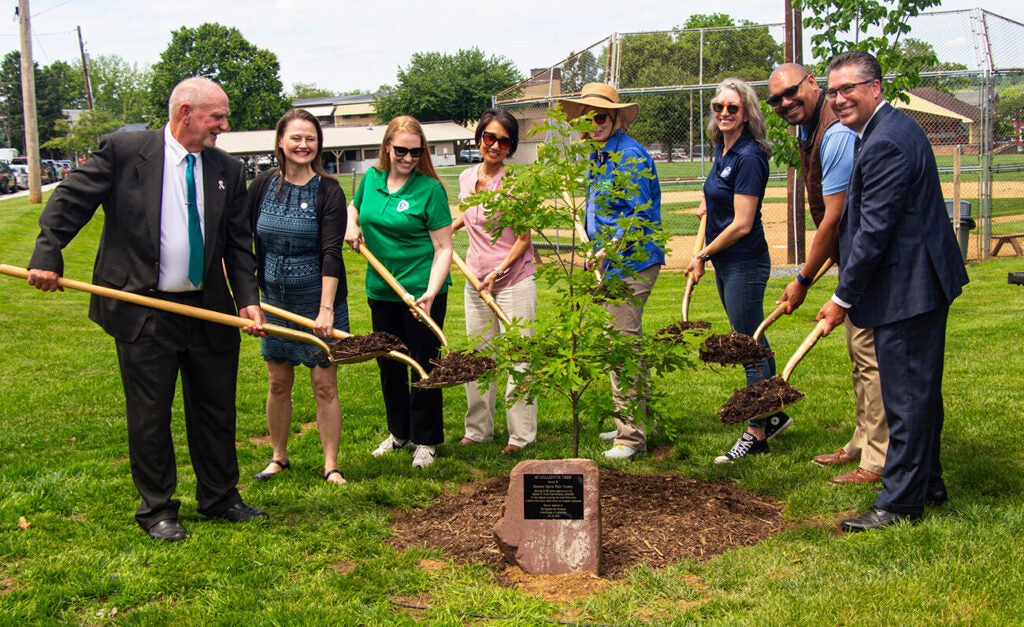 Alex Johnson/CBF Staff
In partnership with more than 320 organizations, the Keystone 10 Million Trees Partnership Program (K10) was able to:
- Raise new voices: Meeting the massive challenge of planting 10 million trees by the end of 2025 was rooted in collaboration of partners, coordinated by CBF. Through a diverse coalition of planting partners, K10 created and inspired an influential and diverse statewide partnership of groups taking action to promote policies that accelerate conservation practices.
- Pick up the pace: When the K10 program launched in 2018, Pennsylvania’s plan to clean up its rivers and streams called for 96,000 acres of new streamside forests. During the program period, there has been notable increases in the annual acres of new buffers in the watershed, specifically Southcentral PA.
- Reduce pollution: Roughly 30,000 miles of Pennsylvania’s rivers and streams are impaired. Large-scale plantings of native trees remain the most cost-effective method for cleaning and protecting our waters. Additionally, streamside buffers reduce, filter, and absorb runoff, providing the greatest return when it comes to reducing the amount of pollution entering our waterways.
Learn more about K10’s impact and planting locations in our Maps Portal.
The work does not stop now that we have reached 10 Million! CBF’s Pennsylvania Watershed Resiliency Program works throughout the watershed to ensure the proper tree species are planted in the proper settings to absorb and slow polluted runoff, reduce flooding, and help restore water quality to the Chesapeake Bay. Learn more about our work in Pennsylvania as we celebrate 40 years of continuous work in the Keystone State to protect local rivers and streams.
