Video

Pollinators: Tiny Creatures Making a Big Difference in Our Lives

With the spring gardening season upon us, look for pollinator favorites like milkweed, coneflower, bee balm, and clustered mountain mint.
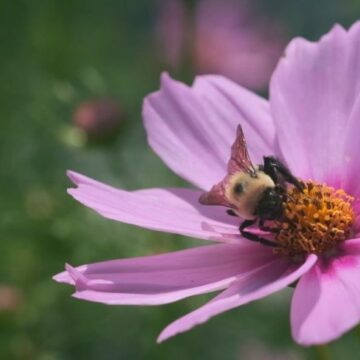
Did you know that pollinators are responsible for one out of every three bites of food we eat? Not only are they critical to our agricultural systems, pollinators also support healthy ecosystems that clean the air, stabilize soils, protect from severe weather, and support other wildlife. But as more forests and pastures become subdivisions, we are losing important habitat for native pollinators.

You can help pollinators thrive by adding native plants to your backyard. With the spring gardening season upon us, look for pollinator favorites like milkweed, coneflower, bee balm, and clustered mountain mint.
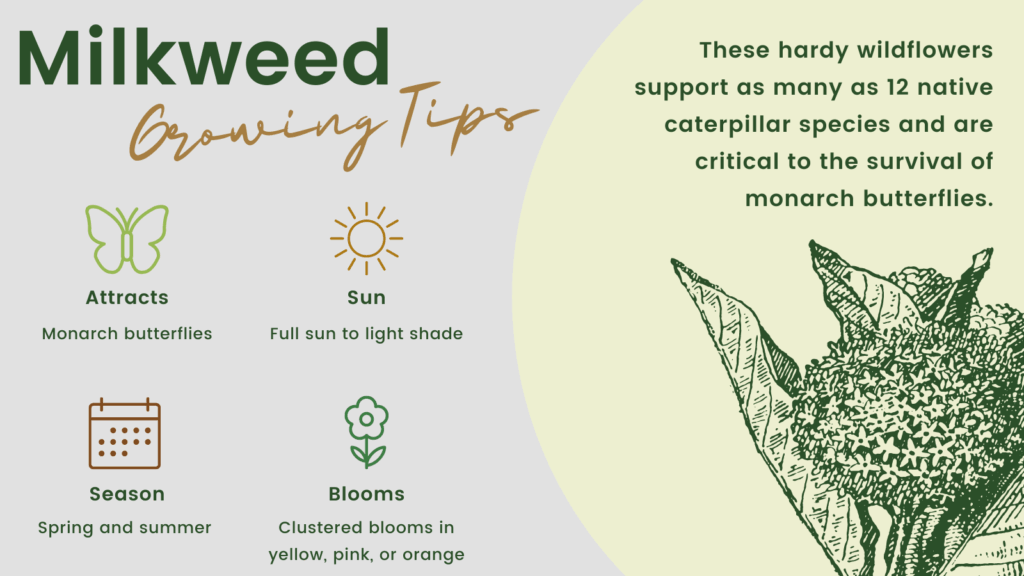
Milkweed - These hardy wildflowers support as many as 12 native caterpillar species and are critical to the survival of monarch butterflies. Growing tips - attracts monarch butterflies, full sun to light shade, spring and summer, clustered blooms in yellow, pink, or orange.
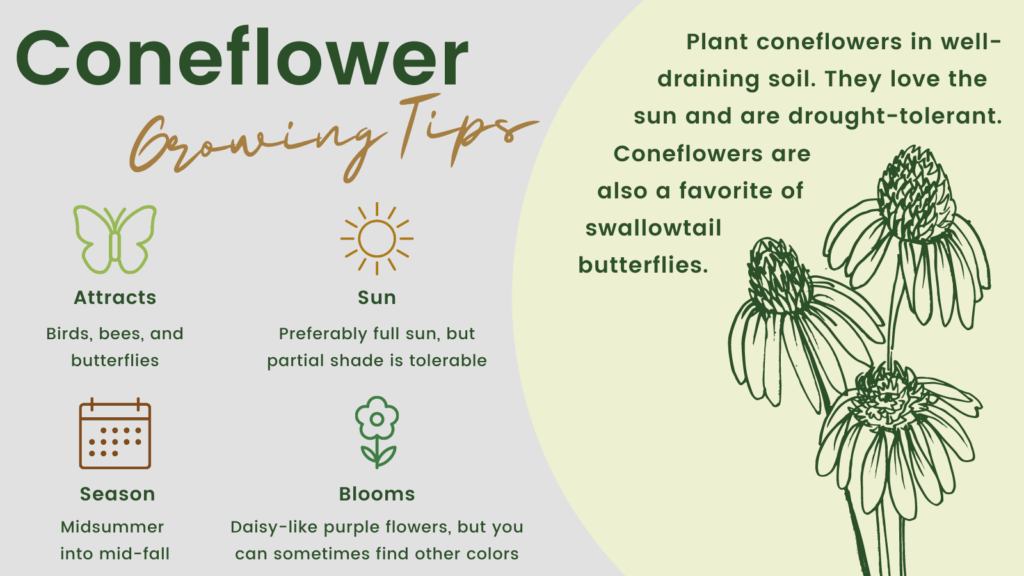
Coneflower - Plant coneflowers in well-draining soil. They love the sun and are drought-tolerant. Coneflowers are also a favorite of swallowtail butterflies. Growing tips - attracts birds, bees, and butterflies; preferably full sun, but partial shade is tolerable; midsummer into mid-fall; daisy-like purple flowers, but you can sometimes find other colors.
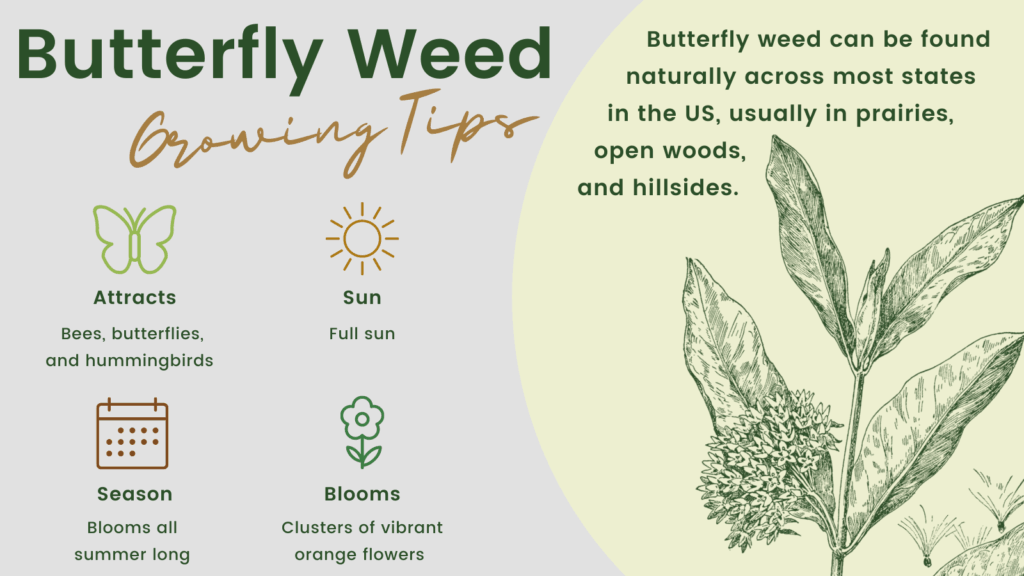
Butterfly weed - can be found naturally across most states in the US, usually in prairies, open woods, and hillsides. Growing tips - attracts bees, butterflies, and hummingbirds; full sun; blooms all summer long; clusters of vibrant orange flowers.
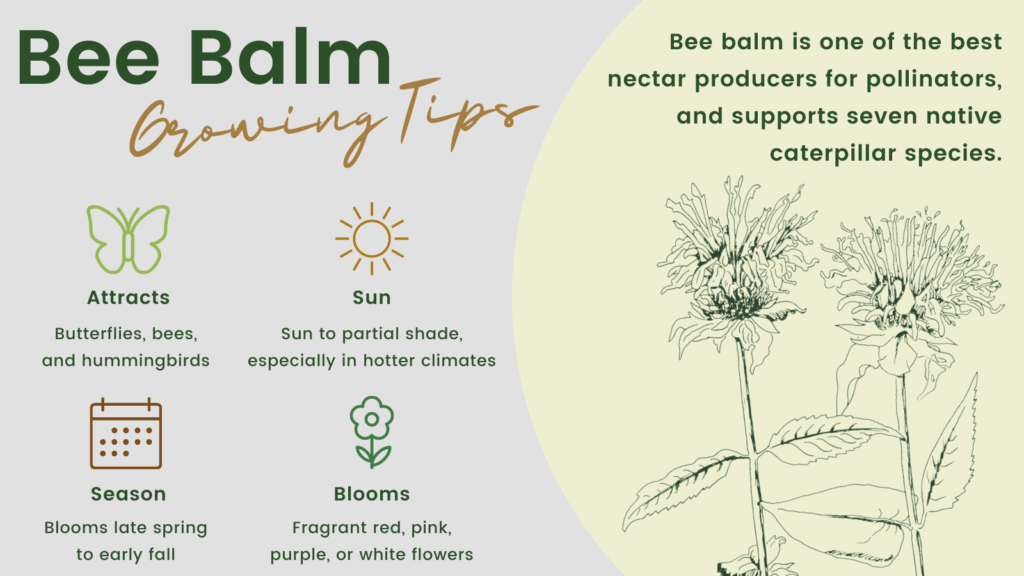
Bee Balm - one of the best nectar producers for pollinators, and supports seven native caterpillar species. Growing tips - attracts butterflies, bees, and hummingbirds; sun to partial shade, especially in hotter climates; blooms late spring to early fall; fragrant red, pink, purple, or white flowers.
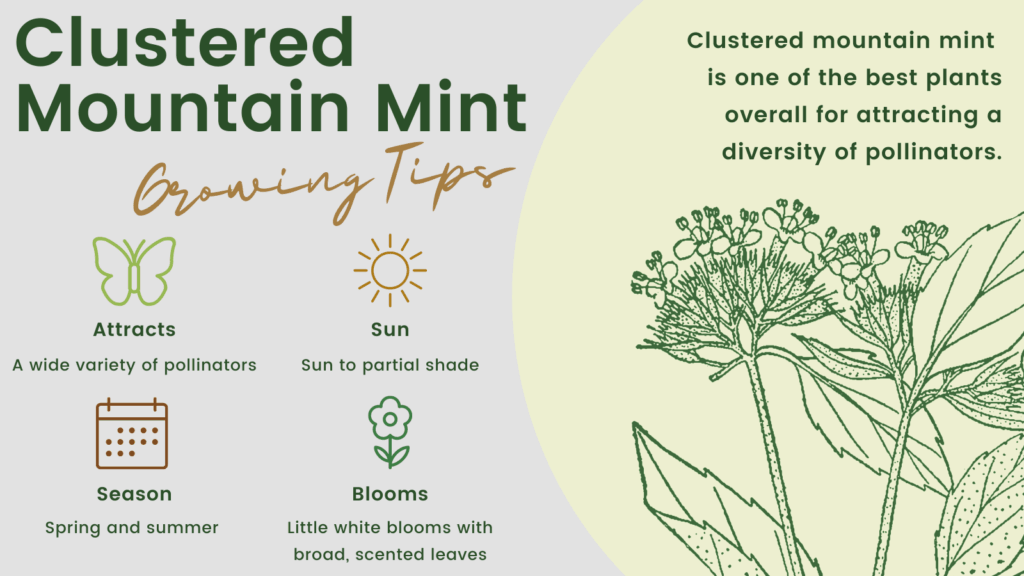
Clustered Mountain Mint - one of the best plants overall for attracting a diversity of pollinators. Attracts a wide variety of pollinators, sun to partial shade, spring and summer, little white blooms with broad, scented leaves.

Video Credit: Anjelica Eitel, Jared Planz

Sign Up for Email Updates!

Be the first to know the latest Chesapeake Bay issues and how you can help in the fight to save the Bay and its rivers and streams.

Sign Up
Atlantic Blue Crab