Clean Power Plan
United States Supreme Court
West Virginia, et al. v. United States Environmental Protection Agency et al.
Case No.: 20-1530 (and consolidated cases)
Issue:
Air PollutionTopic:
Clean Air Act
Updated: 4/15/2026
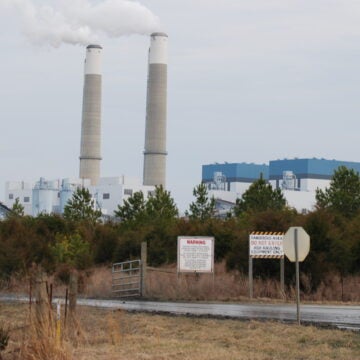
On July 8, 2019, EPA issued a final rule repealing the Clean Power Plan and finalizing the Affordable Clean Energy (ACE) Rule. The Clean Power Plan (October 23, 2015) was a regulatory program in place to reduce greenhouse gas and carbon dioxide emissions from coal fired power plants by transitioning to cleaner energy sources. The ACE Rule would have been an ineffective replacement, requiring few, if any, emission reductions, and ultimately leading to an increase in greenhouse gas emissions.
The ACE Rule would have been harmful to the health of the Chesapeake Bay by contributing to the devastating impacts of climate change and allowing an increase in nitrogen oxide (NOx) pollution emitted from power plants.
CBF filed comments on both the repeal of the Clean Power Plan and the Affordable Clean Energy replacement rule urging EPA to withdraw the proposal and fully implement the Clean Power Plan. As a result, after the Final Rule was published, CBF filed a Petition for Review with the D.C. Circuit on August 30, 2019, challenging both the Repeal of the Clean Power Plan and the implementation of the ACE Rule. CBF’s case was consolidated with appeals filed by NGO groups, energy organizations, and states. CBF also intervened in an appeal brought by energy organizations who are challenging EPA’s authority to regulate greenhouse gas emissions under the Clean Air Act. Arguments in the appeals were held in front of a three-judge panel in the U.S. Court of appeals for the D.C. Circuit on October 8, 2020.
In a win for protecting air quality in the Chesapeake Bay watershed and in fighting climate change, on January 19, 2022, the D.C. Circuit issued an Opinion vacating the ACE Rule and directing EPA to write a new rule to regulate greenhouse gas emissions from power plants. The Court held that EPA acted unlawfully by limiting its authority under the Clean Air Act. The Court also held that climate change is the most pressing environmental challenge of our time and the ACE Rule failed to reduce greenhouse gas emissions from power plants, one of the larges sources of emissions.
On April 29, 2021, a coalition of states, led by West Virginia and coal companies, filed a Petition for Writ of Certiorari with the U.S. Supreme Court asking the Court to review the D.C. Circuit Court’s decision and determine whether the Clean Air Act grants EPA the authority to regulate carbon dioxide emissions from existing power plants by, in part, requiring a shift to alternative, less polluting sources of energy. CBF joined public health and environmental organizations and filed a brief in opposition, urging the Court not to hear the case, on August 5, 2021. However, the Supreme Court granted the petition and arguments were held on February 28, 2022, in the U.S. Supreme Court.
On June 30, 2022, in 6-3 decision, the U.S. Supreme Court released its decision and reversed the judgment of the D.C Circuit Court holding that Congress did not grant EPA authority to regulate greenhouse gas emissions from existing power plants using the approach in the Clean Power Plan, which relied on a shift to cleaner sources of electricity generation. While this decision may narrow the federal government’s authority under the Clean Air Act, it still allows for EPA to regulate carbon emissions from power plants and fulfill its duty to do so under the Act. Ultimately the Supreme Court remanded the cases back to the D.C. Circuit.
In May 2023, EPA published a proposed regulation regarding carbon emissions from new and existing power plants and repealing the Affordable Clean Energy Rule. CBF joined a coalition of climate and environmental organizations and submitted comments in favor of EPA’s proposed regulation. The coalition urged EPA to finalize a strong and timely rule to fulfill its statutory duty under the Clean Air Act to protect public health and welfare from climate pollution. EPA published the Final Rule in the Federal Register on May 9, 2024. States and industry filed legal challenges to the Rule, consolidated as West Virginia v. EPA, No. 24-1120.
In June 2025, EPA published a new proposed rulemaking repealing the prior greenhouse gas emission standards for fossil fuel power plants departing from scientific consensus that power plant emissions contribute to dangerous air pollution. Press Statement: Repeal of Power Plant Pollution Limits Poses a Threat to the Bay
EPA’s rulemaking process is ongoing and CBF’s case remains held in abeyance.
CBF is represented in this case by Director of Litigation Ariel Solaski.

