Press Statement
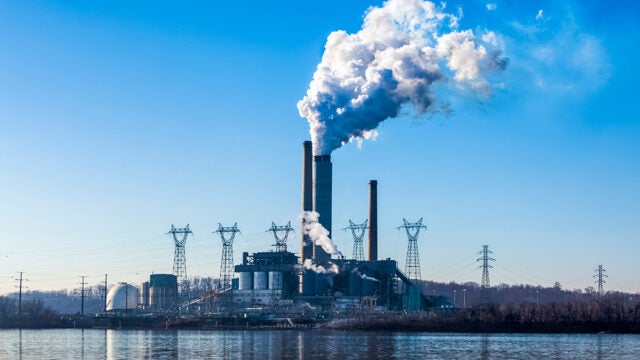
The Trump administration today proposed to “repeal all greenhouse gas (GHG) standards for fossil fuel-fired power plants” by abandoning its statutory obligation to protect public health and welfare and departing from long-settled scientific consensus that power plant emissions contribute to dangerous air pollution.
Fossil fuel-generated power plants emit pollutants like nitrogen oxides (NOx), sulfur dioxide, and soot, which can cause deadly lung and heart ailments. Airborne pollution also contributes roughly a quarter of the excess nitrogen pollution to the Bay. When this pollution falls to the water, the excess nitrogen contributes to the growth of algae blooms, which can create low-oxygen dead zones that suffocate fish, crabs, and other marine life.
Communities around the Chesapeake Bay are among the most vulnerable to sea level rise on the East Coast, while warming temperatures are changing the Bay’s ecosystem. Heat-trapping carbon emissions from electricity generators are the second-largest contributor to climate change, after transportation.
The Chesapeake Bay Foundation (CBF) supported the power plant limits, finalized in April 2024, as important tools for fighting climate change and reducing nitrogen pollution in waterways.
Additionally, the Trump administration today proposed to roll back a separate regulation to prevent dangerous pollution from mercury and air toxics. CBF has long supported the mercury and air toxics standards. Mercury is the most common metal pollutant in Bay waters. Reducing levels of this dangerous neurotoxin is important to restoring the Bay and its tributaries and protecting the health of people living across our region.
Chesapeake Bay Foundation Senior Vice President for Programs Alison Prost issued the following statement.
“Rolling back rules that stop dangerous pollution from power plants is a direct threat to the Chesapeake Bay and millions of people living in our region.
“Extreme weather from climate change leads to more pollution washing into waterways, while power plant emissions are a significant contributor to pollution in the Chesapeake Bay. Homes and businesses along the Bay are among the most vulnerable to sea level rise on the entire East Coast.
“We must stand together against these rollbacks that put our health, homes, and waterways at risk.”
While Chesapeake Bay health declined in 2024 compared to the previous year, the Bay’s health remains on a long-term upward trend, according to the University of Maryland Center for Environmental Science (UMCES)’s 2025 Chesapeake Bay and Watershed Report Card released today.
UMCES identified extreme weather from drought and heavy storms in 2024 as one possible reason for the decline. Intense rainfall on hard, dry soil leads to runoff that washes pollution into streams, rivers, and the Bay. Climate change is intensifying extreme weather in the region, leading to both stronger storms and more severe droughts.
The release of the report card comes as the Trump administration rolls back climate change work and proposes slashing funding to federal agencies and programs that support Chesapeake Bay restoration and are instrumental in monitoring progress. Those include the Environmental Protection Agency, the National Oceanic and Atmospheric Administration, the U.S. Department of Agriculture, and the U.S. Geological Survey.
This year is also pivotal as leaders around the region work to update the Chesapeake Bay Watershed Agreement, which since the 1980s has guided federal-state efforts to restore the Chesapeake Bay.
For more than two decades, the Chesapeake Bay Foundation (CBF) and UMCES have each independently produced two of the most respected reports on the health of the Chesapeake Bay. In future years, the two organizations plan to collaborate more closely on this mission.
CBF President and CEO Hilary Harp Falk issued the following statement.
“The health of the Chesapeake Bay isn’t just an environmental issue. It’s a quality-of-life issue for nearly 19 million people. This report card reflects the progress we’ve made, and the serious challenges that remain. This is the moment to push forward—not pull back.
“The Bay has long inspired bipartisan leadership. Congress must stand up to reckless rollbacks and fully fund the coordinated efforts across federal agencies to clean up the Bay. At the same time, state leaders must rise to the moment by recommitting to clean water goals with bold and urgent action.
“For more than 40 years, science and partnership have been fundamental to Bay restoration success. But the system remains out of balance and the federal/state Chesapeake Bay partnership is under threat. The choices we make today will determine whether our communities and economies thrive tomorrow.
“The extreme weather of 2024 is not an anomaly—it’s a warning. Climate change is accelerating, and with it comes more flooding, pollution, and ecological stress. The Trump administration’s proposed budget cuts threaten the world-class science and partnership at the heart of the effort.
“Science has always been the backbone of Chesapeake Bay restoration. The latest report card highlights not only improvements, but also where the Bay is struggling. New research, including the Comprehensive Evaluation of Systems Response (CESR), show us that targeting efforts where they’re most needed will make Bay cleanup more effective and efficient.
“There is tremendous value in our academic and scientific communities, which is why CBF is proud to be deepening our partnership with UMCES. We must support our scientists.”
The EPA’s Chesapeake Bay Program announced today that states are continuing to make progress in reducing pollution to the Chesapeake Bay and its rivers and streams, according to the latest estimates from computer modeling tools.
Verifying these models through monitoring is vital to assessing the health of waterways. The Bay Program expects to further update its indicator tool with the latest monitoring results by July.
This comes as the Trump administration has proposed extreme budget cuts to federal agencies working for a healthy Chesapeake Bay, including the EPA, NOAA, USGS, and USDA.
Starting in 2010 under the Chesapeake Clean Water Blueprint, the federal-state Bay restoration partnership committed to a 2025 deadline for goals to reduce nitrogen, phosphorus, and sediment pollution to the Bay. The state partners are Maryland, Virginia, Pennsylvania, West Virginia, New York, Delaware, and the District of Columbia.
While states have made notable progress on work to reduce pollution, particularly from wastewater treatment plants, efforts are lagging to curb polluted runoff from developed areas and farms. Even though they are expected to miss the 2025 deadline, states are still required to meet the pollution-reduction goals.
Chesapeake Bay Foundation Senior Vice President for Programs Alison Prost issued the following statement.
“The Chesapeake Bay cleanup has made tremendous progress thanks to decades of partnership at the state, federal, and local levels. But far too much pollution still enters the Chesapeake Bay.
“The Bay is facing growing challenges from climate change and development, and we’re seeing troubling signs from blue crabs, striped bass, and other iconic species.
“The Trump administration’s proposed budget cuts threaten to devastate longstanding bipartisan work to restore the Bay and local rivers and streams. Congress must step up, invest in clean water, and reject the dangerous rollbacks to agencies working for a healthy Chesapeake Bay. Continued commitment and leadership on the Bay from state and federal partners will be critical for everyone who lives in our region.”
Last week, roughly 21 million gallons of partially treated sewage overflowed from the Patapsco River Wastewater Treatment Plant after heavy rainfall. Authorities confirmed the overflow does not present an immediate health hazard to residents. However, such incidents can overload local waterways with nutrient pollution and be harmful to fish, underwater grasses, and other important Bay ecosystems.
Both the Patapsco and Back River Wastewater Treatment Plants have a long history of pollution. Although maintenance, staffing, and treatment equipment have been improved, overflow issues can still occur and should be considered in future permitting.
Maryland Department of the Environment (MDE) is currently renewing discharge permits for both wastewater treatment plants. If adequately updated, these permits could better protect water quality and keep communities safe. Impacted residents can submit their public comments on the Back River plant through June 6, and the Patapsco River plant through June 20.
Chesapeake Bay Foundation Maryland Staff Scientist Gussie Maguire issued the following statement:
“Wastewater overflows are 100 percent preventable. Yet more intense rainfall from climate change, combined with aging, leaky sewage pipes, will increase the likelihood of overflows and require additional oversight by wastewater treatment plant operators. Bacteria in partially treated wastewater poses a risk to swimmers, anglers, and wildlife, while nutrient pollution feeds algal blooms that can create dead zones.
“The Back River and Patapsco River Wastewater Treatment Plants have made significant improvements in recent years, but irrefutable damage has already been done. The new discharge permits tighten maintenance and training requirements, but still allow for nutrient trading, where plants can meet legal requirements without meaningfully reducing pollution. Given both facilities’ troublesome history and increasing overflow risks, this option for nutrient credit trading should not be part of any renewed permits.
“MDE has made meaningful strides to bring both treatment plants back into state compliance and we urge the agency to uphold even stronger standards when renewing each discharge permit. Now is the time for Baltimore and Anne Arundel residents who enjoy recreating in the Patapsco and care about clean water to voice their concerns and submit comments to MDE.”
Survey results show second lowest total crab abundance in recent history
Blue crabs in Maryland and Virginia have dipped to the second lowest number in recent history, according to results issued today from the annual blue crab winter dredge survey conducted jointly by the Virginia Institute of Marine Science and Maryland Department of Natural Resources.
The 2025 survey estimated total crab abundance at 238 million, the second lowest since the surveys began in 1990. This comes just three years after an all-time low in 2022 of 226 million crabs.
This year’s decline spread across all segments of the population, including adult male crabs at 26 million, adult female crabs at 108 million, and juvenile crabs at 103 million. These numbers are significantly lower than 2024’s results, which were just slightly below average.
Blue crab numbers can vary dramatically year by year, depending on weather trends, predator numbers, and habitat availability. The loss of critical crab habitat, such as underwater grasses, as well as the rise of invasive predators like blue catfish, can threaten blue crabs. Other factors like climate change and polluted runoff can also be detrimental for young and spawning crabs.
Chesapeake Bay area residents believe blue crabs are the Bay animal in most need of protection, according to polling results conducted by Chesapeake Bay Foundation (CBF) earlier this year. Because of the blue crab’s short lifespan, no single response can be the solution. Only a comprehensive and collaborative approach will improve the population. Given that, CBF urges:
- Maryland to maintain current regulations for male crabs and further strengthen protections for female crabs, including reducing the importation of egg bearing “sponge” crabs from Virginia;
- Virginia to reduce its blue crab harvest, and consider additional protections for males, which have reached a historic low;
- The federal government to fully fund programs and agencies like the National Oceanic and Atmospheric Administration (NOAA) and Environmental Protection Agency that support regional clean water initiatives that protect blue crab habitat.
Despite annual surveying and management framework advancements, the exact causes of blue crabs’ decline are still somewhat a mystery to scientists. Thankfully, Maryland and Virginia are currently conducting a comprehensive stock assessment for blue crabs, slated for completion in late 2026. The last assessment was completed nearly 15 years ago in 2011. Many environmental conditions have changed during that time due to climate change, habitat loss, and the expansion of blue catfish, a voracious predator of young crabs. The updated assessment will give critical insights into those drivers of blue crabs’ decline, as well as tangible management recommendations that could better protect the species from further collapse.
The blue crab fishery is cooperatively managed by Maryland and Virginia. Each state must consider further protections for this critical species, and U.S. Congress should protect and fully fund agency budgets that help protect blue crabs and the Chesapeake Bay’s ecological heritage.
CBF’s Maryland Executive Director, Allison Colden, issued the following statement:
“The red flags are flying for blue crabs. With more than five years of below average crab numbers, it is clear that changing conditions in the Bay are undermining the current management of this important species.
“The winter dredge survey provides a snapshot in time. The upcoming comprehensive stock assessment, due in 2026, will give us a more complete picture of the impacts of environmental threats to blue crabs, and what Maryland and Virginia can do to better protect them. Managers must heed those assessment results, and act swiftly to protect the opportunity for the next generation to experience the joy of a summertime crab feast.”
Chesapeake Bay Foundation’s Virginia Executive Director, Chris Moore, issued the following statement:
“The latest blue crab numbers are extremely distressing. Blue crabs are a staple on our plates, in our water, and in our culture. We must protect them in order ensure their important role in the Chesapeake Bay ecosystem and preserve sustainable harvests for the most valuable commercial fishery in the Bay.
“Given the continued decline of males in the population, Virginia should look for ways to reduce harvest of male crabs — which has been a growing part of our crab harvest. We are eager to see the results of the 2026 stock assessment and resulting harvest changes that can help secure this species’ future.”
CBF’s Federal Director, Keisha Sedlacek, issued the following statement:
“Blue crab numbers are crashing just as the Trump Administration dismantles programs restoring water quality and underwater habitat like grasses vital for crabs. Saving the Bay and its iconic species like crabs has always been a bi-partisan effort. Congress must work together to ensure federal investments in restoration continue. We cannot backtrack on blue crabs or the Bay.”
Nine-term Rep. Gerry Connolly (D-Va.) died today, passing away “peacefully at his home this morning, surrounded by family,” according to a statement his family posted on Connolly’s website.
Chesapeake Bay Foundation President Hilary Harp Falk issued the following statement:
“The Chesapeake Bay has lost a fierce champion. Rep. Connolly was one of the Bay’s most dependable allies in Congress. His death is a huge loss for everyone who loves the Chesapeake Bay and its rivers and streams.
“Rep. Connolly never shied away from defending what he cared about most. Whether protecting the Chesapeake Bay Program from budget cuts or standing up for environmental justice, he was a passionate fighter. We were fortunate to have him in our corner.
“Rep. Connolly worked tirelessly for Virginia and his constituents. He joined with colleagues to oppose drilling off Virginia’s coast and approval of the environmentally harmful Mountain Valley Pipeline without public input. He supported strengthening hands-on outdoor learning opportunities for students around the county. And he reveled in his regular meetings with local environmental advocates.
“We’re incredibly saddened by the passing of Rep. Connolly. CBF extends our deepest sympathies to his family and friends as they mourn his loss.”
“Should encourage us to maintain, even accelerate momentum,” CBF says
Maryland’s oyster population has grown significantly in the last 20 years, according to the latest benchmark stock assessment issued this week by Maryland’s Department of Natural Resources (DNR) and the University of Maryland Center for Environmental Science. The assessment estimates more than 12 billion oysters in Maryland waters as of 2024—more than triple the population recorded in 2005.
Experts attribute this success to multiple factors, including significant large-scale oyster restoration efforts, several years of strong natural reproduction thanks to favorable environmental conditions, and harvest restrictions implemented since 2018.
Nearly a decade ago, the Maryland General Assembly passed a law requiring this stock assessment—a calculation of the total abundance of oysters and sustainable fishing rates—to be conducted at least every two years. Maryland’s assessment is subject to review by independent experts and is considered one of the most advanced for oysters in the nation.
Chesapeake Bay Foundation (CBF) championed this legislation and continues to advocate for data-driven decision making for Maryland’s public oyster fishery based on the stock assessment. Ongoing oversight from DNR is critical to identify and respond to threats to oysters such as disease outbreaks and increasing harvest pressure, and to continue forward momentum for oyster sanctuaries in the Bay and its tributaries.
CBF’s Maryland Executive Director, Dr. Allison Colden, issued the following statement:
“Oyster restoration is one of the Chesapeake Bay’s greatest success stories, and this latest stock assessment proves it. Oyster abundance in restored oyster sanctuaries has increased five-fold, even higher than the increase observed throughout Maryland. The strong results should encourage us to maintain, and even accelerate, the momentum for large-scale oyster restoration.
“However, luck has also played a role. Drought caused by changing environmental conditions has supported oyster population growth in recent years but also threatens to increase oyster diseases. While disease trends have remained low since 2018, DNR must continue vigilant monitoring to avoid significant oyster mortality like that observed in the early 2000s. Environmental conditions can quickly change. DNR’s strong oversight will help mitigate these often-uncontrollable threats.
“Not only are oysters a keystone species that naturally clean the water and support hundreds of other animals, they’re also critical to our state’s economy and culture. DNR’s conservative management of the oyster fishery since 2018 seems to have stabilized, and even grown, oyster fishery harvests. If we’d like to see oyster populations continue to double and triple for the foreseeable future, we must maintain sustainable, data-driven management of oysters in Maryland.”
States and school districts around the Bay region have made some progress toward meeting their goals for teaching students about the environment, but much work remains, according to data recently released by EPA’s Chesapeake Bay Program.
The news comes as the Trump administration proposes to eliminate the environmental education grant program, the Chesapeake Bay Watershed Education and Training (B-WET) program.
Chesapeake B-WET is administered by the National Oceanic and Atmospheric Administration’s (NOAA) Chesapeake Bay Office, which the administration also would defund.
According to the Bay Program, the number of school districts that say they are “well prepared” to adopt a comprehensive environmental education program increased from 17 percent to 19 percent between 2022 and 2024. The percentage rebounded nearly to the pre-Covid level of 20 percent.
The seven Bay jurisdictions committed in the 2014 Chesapeake Bay Watershed Agreement to ensuring their students can graduate high school with the knowledge and skills to be good stewards of their local watershed by the end of this year.
Chesapeake B-WET is the principal source of federal funds to advance that goal. It helps school districts develop curriculum and instruction to get students outside for hands-on learning and to investigate real-world phenomena, gather data, draw conclusions, and devise solutions to environmental challenges in their communities.
Chesapeake Bay Foundation Vice President for Environmental Education Tom Ackerman released the following statement:
“With day-to-day experience increasingly dominated by screen time, students need hands-on, real-world learning. The federal government must invest more in environmental education, not eliminate it.
“State education agencies and school districts deserve a lot of credit for recent progress. The coordination and leadership from NOAA and other federal partners have been an essential catalyst and support.
“While environmental education has rebounded since the pandemic, we have also seen massive teacher turnover. Now more than ever, we need B-WET to help train new teachers to deliver high-quality, locally relevant educational experiences that inspire students to be good stewards of the Bay and its rivers and streams.
“We urge Congress to reject the Trump administration’s misplaced priorities and support investing in the future of our students.”
Office of Commonwealth Resilience Comes as Federal Rollbacks Demand State Leadership
Virginia’s governor’s office announced Wednesday that the Office of Commonwealth Resilience is now fully staffed. This central office aligns climate resiliency resources statewide, marking a significant step forward for the Commonwealth in addressing the urgent challenges of climate change and increasingly severe weather events.
Legislation establishing this office was championed by Delegate Phil Hernandez last year.
The same week of the bill’s passage, parents in the Hampton Roads region dealt with their children’s schools being closed due to flooding, drivers navigated swamped roads, and communities across the Commonwealth prepared to mark Flood Awareness Week by sharing memories of severe storms that damaged their homes and businesses.
Delegate Phil Hernandez issued the following statement:
“I am excited to see my bill come to fruition and recognize the immense importance of this Office of Commonwealth Resilience in our fight against climate change and the disastrous weather challenges facing communities across Virginia.
“We extend our warmest congratulations to the dedicated individuals who have been appointed to lead this vital new office. Their expertise and commitment will be instrumental in coordinating climate adaptation efforts across our state government, ensuring a proactive and comprehensive approach to building a more resilient Virginia for all its citizens.”
Jay Ford, Virginia Policy Manager for the Chesapeake Bay Foundation, issued the following statement:
“We are excited to work alongside the appointees to the Office of Commonwealth Resilience on the significant challenges our commonwealth faces in building climate resilience. This couldn’t be more timely given proposed federal rollbacks to climate resilience efforts. Virginia must take a strong leadership role in this critical area as we face increasingly severe weather driven by climate change. Instead of reacting to extreme weather by relying on disaster recovery funds, this office is a step forward to a preventative approach that truly prepares Virginia for inevitable climate change challenges on our horizon.”
Today, in an exciting step for clean water and the local economies it supports, Governor Wes Moore signed the Chesapeake Bay Legacy Act (HB506) into Maryland law. This legislation, sponsored by the Governor in partnership with Maryland Department of Natural Resources (DNR), Department of Agriculture (MDA), and Department of the Environment (MDE), will help improve water quality in the Chesapeake Bay and promote economic growth across the state.
The Bay Legacy Act will make implementing environmentally friendly practices easier and more appealing for individuals and businesses across Maryland, including farmers, oyster growers, and restoration practitioners.
Some key parts of the Act include:
- Establishing the Maryland Leaders in Environmentally Engaged Farming (LEEF) Program, which will create tiered incentives to prioritize agricultural conservation that maximizes benefits to habitat and biodiversity and reduces pollution reaching the Bay;
- Promoting regenerative agriculture, a suite of on-farm practices that improve soil health, on state-owned land;
- Consolidating state water quality monitoring programs to streamline and improve the quality of data, as well as increase coordination to help quantify progress towards cleaning the Bay’s rivers and streams;
- Simplifying reporting for the aquaculture industry, which greatly benefits water quality and fish habitat in the Bay;
- Securing funds for the Whole Watershed Act, which will implement targeted restoration in five key watersheds across the state.
The Act’s programs and reforms will address key recommendations identified in the Chesapeake Bay Program’s May 2023 Comprehensive Evaluation of System Response (CESR) report.
The Chesapeake Bay Foundation (CBF) strongly supported this legislation and was honored to join Governor Moore, DNR, MDE, MDA, and other partners at the bill signing ceremony at the State House in Annapolis on May 13.
Allison Colden, CBF Maryland Executive Director, issued the following statement:
“Governor Moore’s Chesapeake Bay Legacy Act brings hope for a healthier and more resilient future. This legislation gives farmers, oyster growers, and restoration practitioners the tools they need to succeed, and in turn, will reduce pollution in our rivers and streams.
“With federal cuts and rollbacks looming heavily on our state, Maryland’s environmental leadership is more important than ever. This Act will help maintain forward momentum and ensure that investments in clean air, clean water, habitats, and local economies are secured.
“We appreciate the Moore-Miller administration’s dedication to a healthier Chesapeake Bay and look forward to helping implement these solutions statewide.”
