Chesapeake Almanac Podcast
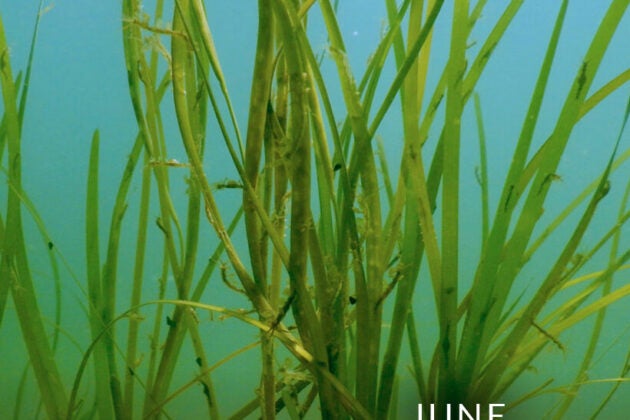
June: Eelgrass - Carpet of Life
Join John Page Williams as he shares the story of a young family's first experience investigating the wonders of eelgrass beds and their importance to the Chesapeake Bay.
Explore our educational videos, fact sheets, tips and tools for saving the Bay, directions to our facilities, and more!
Chesapeake Almanac Podcast
Join John Page Williams as he shares the story of a young family's first experience investigating the wonders of eelgrass beds and their importance to the Chesapeake Bay.
Chesapeake Almanac Podcast
Join John Page Williams for an expedition into the summer Bay and its common species on and off the water.
Chesapeake Almanac Podcast
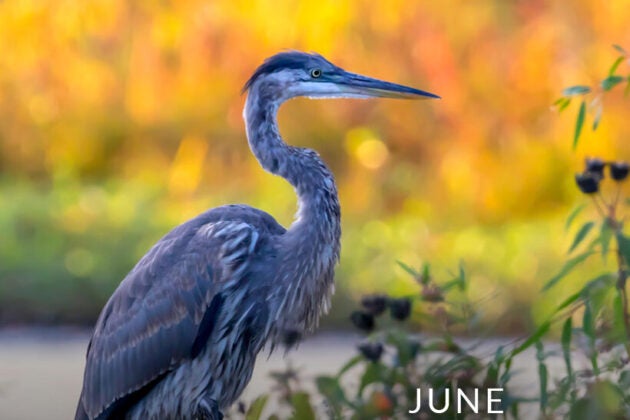
In this episode of Chesapeake Almanac, John Page Williams shares some fabulous facts about one of the Chesapeake's best-loved birds, the great blue heron (Ardea herodias).
Chesapeake Almanac Podcast
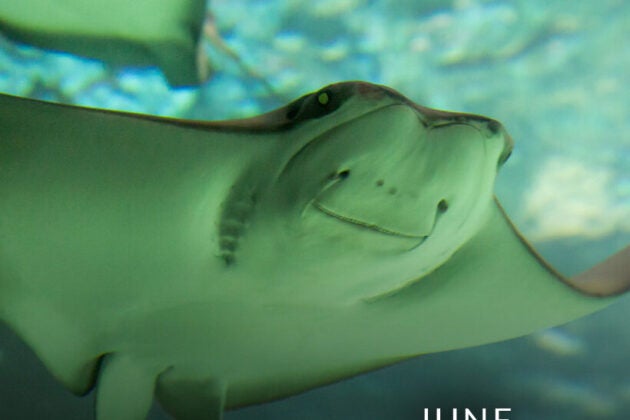
Are rays fish? What is the difference between rays and skates? What are the dangers of catching rays? How do you catch one safely? Can you eat them? John Page Williams answers these and other questions about Chesapeake Bay dwelling cownose rays (Rhinoptera bonasus) on this episode of Chesapeake Almanac.
Chesapeake Almanac Podcast
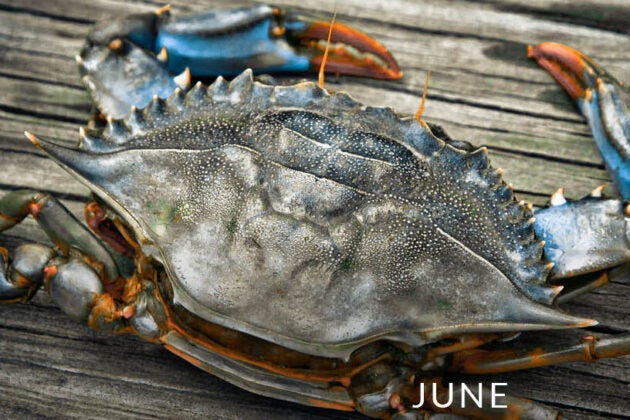
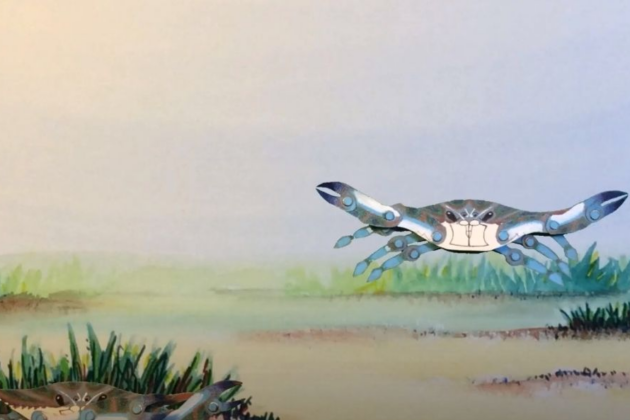
During a 24- to 30-month life span, a blue crab will molt over 20 times. What goes on inside the animal to trigger the shedding of it's entire shell? And what does it mean for the crab, and for the crabbers who do business in soft crabs? John Page Williams sheds light on both the human and critter stories.
Chesapeake Almanac Podcast
How does a freshwater town 58 miles from the Chesapeake Bay have highest average daily tide change of any location on the Chesapeake? John Page Williams explains the many elements that converge to create Walkerton, Virginia's unique place on the tide tables.
Chesapeake Almanac Podcast
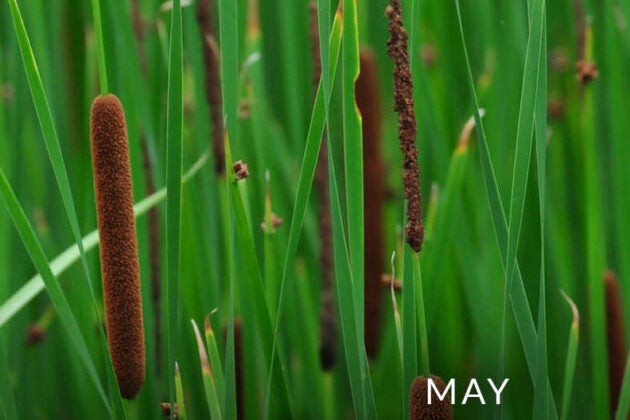
Did you know cattails are edible? In this episode, John Page Williams talks about the different ways to enjoy two species of cattails common to Chesapeake Bay country.
Video
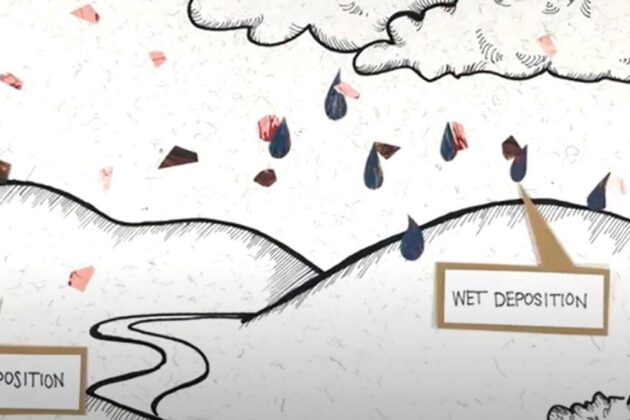
What is air pollution? Where does it come from? And how can we help improve air quality? Find the answers to these questions and more with this new video from CBF Educators.
Chesapeake Almanac Podcast
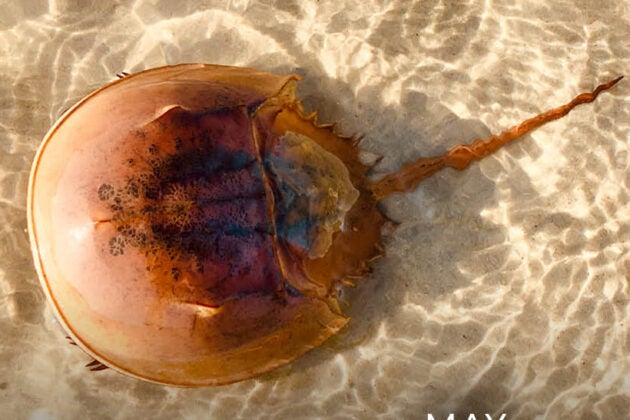
May is the beginning of horseshoe crab spawning season on the Chesapeake Bay. John Page Williams takes a look at the reproductive cycle and history of these curious critters.
Chesapeake Almanac Podcast
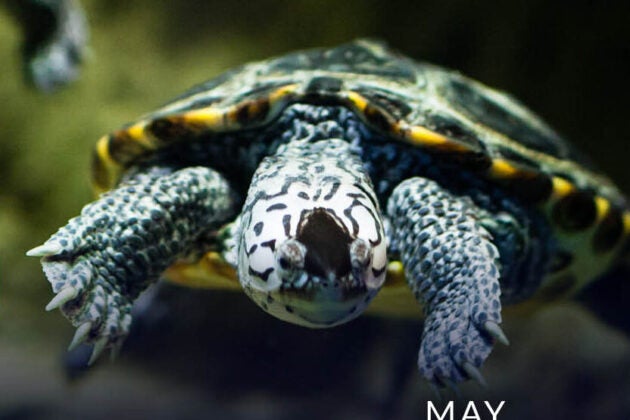
You can start finding diamondback terrapins (Malaclemys terrapin) around the Chesapeake Bay region in May, when they emerge from their winter hibernation under the mud to mate and simply absorb spring's warmth and sunshine. In this episode, John Page Williams shares the species' history along the Chesapeake and the challenges they continue to face.
Educational Video
A CBF Education Student Investigation: The early life of a Chesapeake Bay blue crab can be perilous. Explore the different stages of a blue crab’s early life in this video.
Webinar
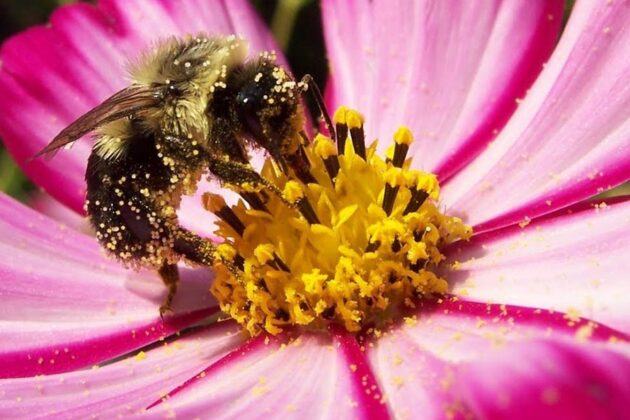
Your yard can be an oasis, a rest area for birds, bees, and butterflies to fuel up and raise their young. Few of us have a blank slate to work with, so this webinar takes you through practical steps of assessing your yard, prioritizing changes, and planting with a purpose in the Chesapeake Bay region.