Save the Bay News: Fighting for the Bay We Love
This special Valentine’s edition of our newsletter is all about fighting for the Bay we love. Read on for stories of advocacy, perseverance, and hope in chaotic moments like these.
When confronted with the enormity of the world’s challenges, one of our greatest strengths is the ability to choose optimism and problem-solving, says CBF President Hilary Harp Falk. In this month’s newsletter, she addresses the current flurry of activity from the new administration in Washington, which has many of us rightly alarmed and frustrated. While we are still parsing what all of the changes mean, we’re well-positioned to protect the Chesapeake Bay and its rivers and streams. The people of the Chesapeake Bay region, and those who love it, have always been the beating heart of the restoration effort—not the government. We’re built for these moments, and we’re not backing down.
This year, we will continue to fight for policies and programs that accelerate Bay restoration and protect the gains we’ve made. Our top priorities throughout the region include helping farmers reduce water pollution, addressing the threat of climate change and making our communities more resilient, and keeping science at the heart of fishery management, among other critical initiatives. Much of our work, particularly right now, is laser-focused on state legislative sessions in Maryland, Pennsylvania, and Virginia, where lawmakers have enormous power to protect and restore our water. Fortunately, there is a long legacy of bipartisan support for the Bay at all levels of government. In December, the watershed states’ leaders reasserted their commitment to Bay restoration. Now we have to turn those promises into progress (Maryland is a perfect case study). To do so, we will again rely on our members and supporters—like the 120 volunteer advocates who recently joined our staff in Richmond to engage with Virginia lawmakers. You make this work possible, regardless of the political landscape of the day, and we can’t thank you enough. Stay connected. Stay engaged. Keep doing the work (there are many ways to take action for the Bay). Most importantly, stay optimistic—our watershed offers so much joy, and nothing can take away our will to fight for it.
 Bonnie Moore
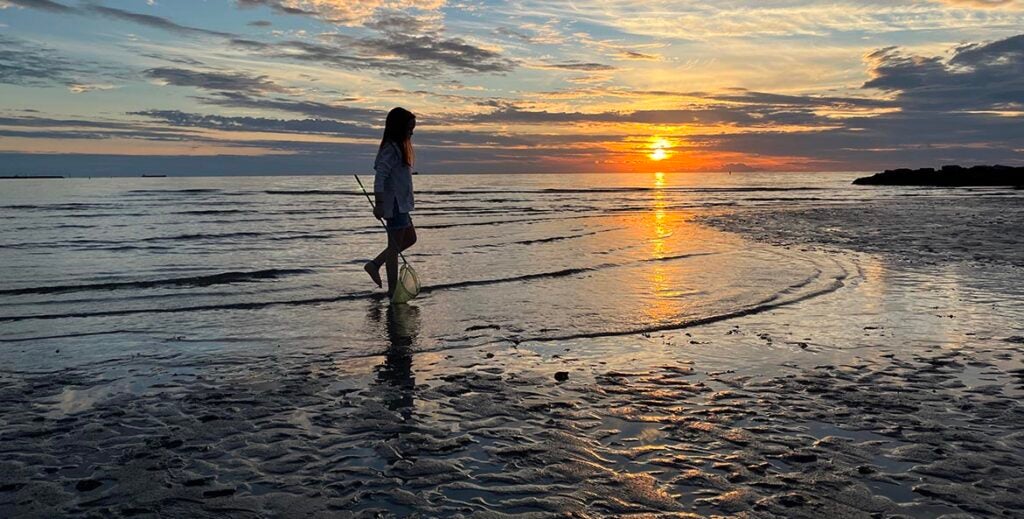
Built for These Moments
The effort to save the Bay has always been fueled by the people who love this place and who know it will take all of us to stand up for it. No administration can take that away. In fact, we’re well-positioned to protect the Bay and its rivers and streams—as long as we all stay engaged, writes CBF President Hilary Harp Falk.
 Bob Diller
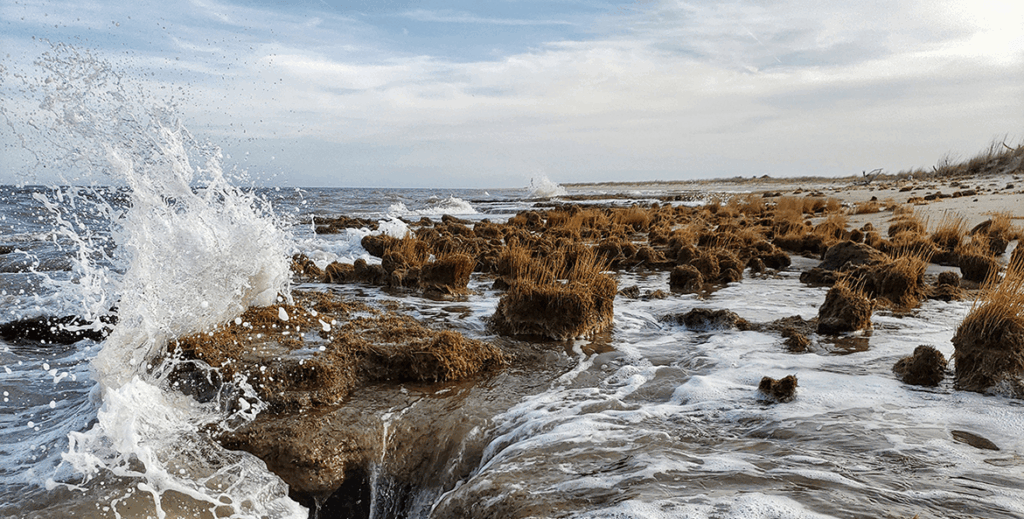
What We’re Fighting for in 2025
Achieving a healthy, resilient watershed for future generations depends on the actions we take now. Learn more about our top priorities to accelerate Bay restoration this year, including advocating for science-based fishery management, policies that address the threat of climate change in our region, clean water investments and programs that help farmers reduce water pollution, and more.
 iStock
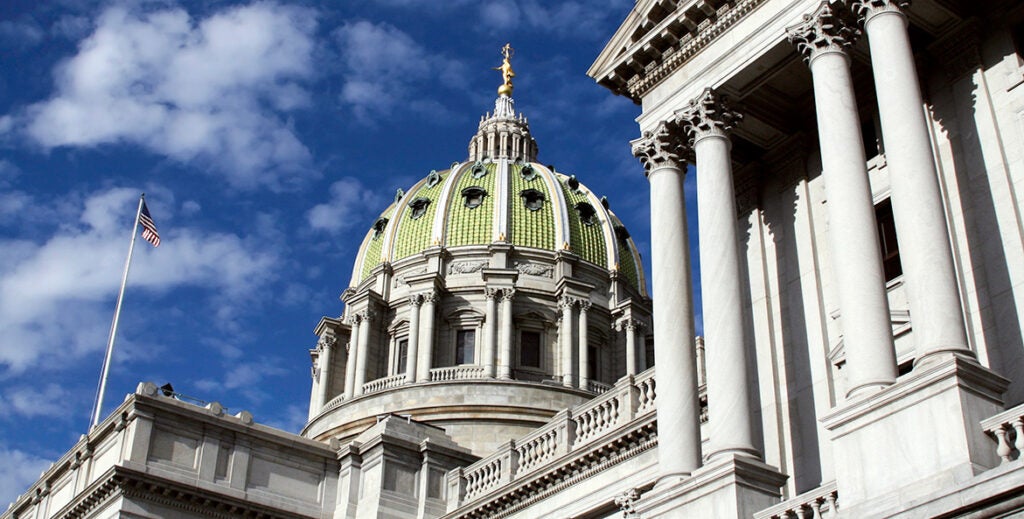
Saving the Bay at the State Level
Actions at the state level have enormous influence on the condition of rivers, streams, and the Chesapeake Bay. CBF is advocating for an array of priorities in the current state legislative sessions. They include a critical farm conservation program in Pennsylvania; policies that support oyster farming in Maryland; and strategies to protect wetlands in Virginia.
 Gabby Troutman/CBF Staff
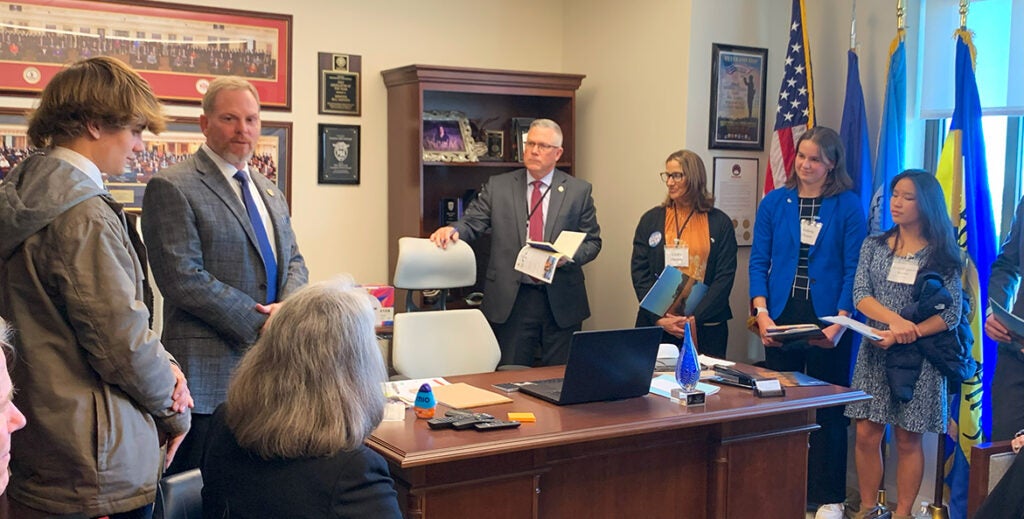
A Day with CBF’s Clean Water Advocates
Ever wonder what it’s like to stand up for clean water in person? Last month, 120 volunteer advocates joined CBF from across Virginia to meet one-on-one with their state legislators. For many, it was their first experience talking with lawmakers, urging support for environmental education, wetlands, and many other issues that hit close to home.
 Nikki Davis
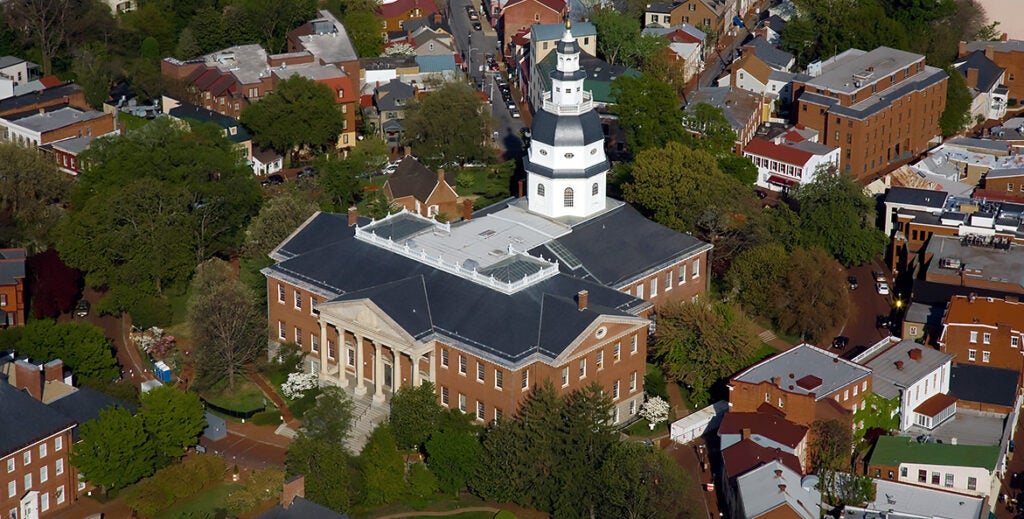
Maryland’s Path to Turn Promises into Progress
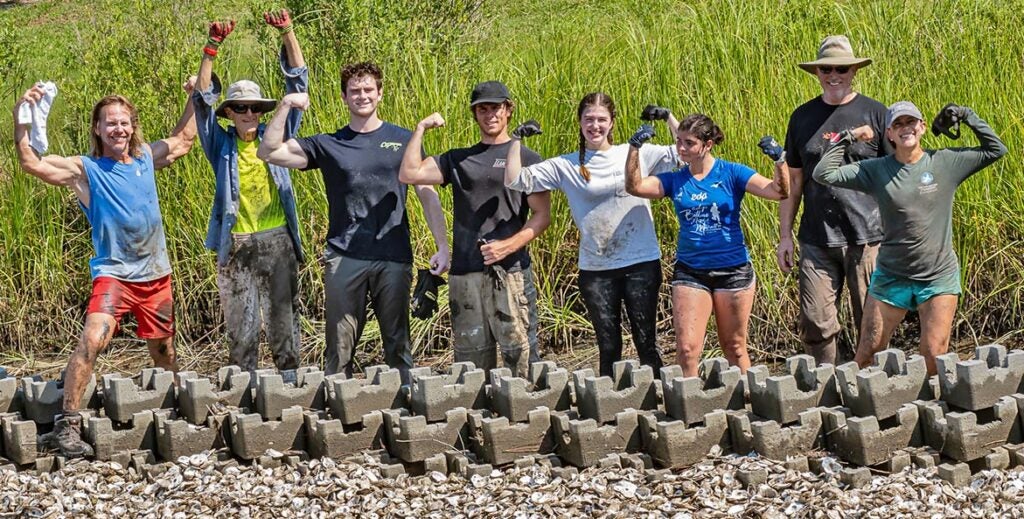
Maryland Governor Wes Moore and legislative leaders have made big commitments to cleaner water, air, and soil—all while navigating a $3 billion budget shortfall. Investments in oyster recovery, farm stewardship, and climate resiliency not only help turn those promises into progress for the Bay and our communities. They make financial sense, too.
 Sue Mangan
Feeling Frustrated? Take Action Now!
Calling your legislators, planting trees and oysters, writing a letter to the editor at your local paper—there are so many ways to help save the Bay! Our collective voice is the most powerful tool there is to save the Bay and its rivers and streams. Join us now.
In the News
Endangered species listing for hellbender is long overdue: The U.S. Fish and Wildlife Service has proposed the listing for North America’s largest salamander, which is also Pennsylvania’s state amphibian and a key indicator of clean water.
Environmental wins and losses at Virginia General Assembly crossover: Halfway through the legislative session, it’s a key moment for legislation focused on flood resilience, the protection of vital species, and advancements in clean energy.
$50 million in governor’s budget proposal would mean cleaner Pennsylvania rivers and streams: Funding for the Clean Streams Fund would help Pennsylvania farms put more projects on the ground that reduce pollution to local waterways.
Virginia’s proposed budget features environmental gains: Virginia House and Senate money committees unveiled spending plans that support climate readiness, investments in environmental education, and funds to reduce pollution from wastewater and polluted stormwater runoff.
Delaware wins with Chesapeake Bay restoration: Funding from the Environmental Protection Agency’s Chesapeake Bay Program plays a critical role restoring rivers like the Nanticoke, Choptank, and Pocomoke, as well as helping small towns revitalize their waterfronts.
CBF supports Governor Wes Moore’s Chesapeake Bay Legacy Act: The legislation would improve Bay health, while also promoting economic growth, by making environmentally friendly practices easier and more appealing for people and businesses across the state to implement.
CBF congratulates Laurie Schwartz, long-time Baltimore Harbor changemaker, on upcoming retirement: Schwartz has served as president of the Waterfront Partnership of Baltimore since the organization was founded nearly 20 years ago.
What You Can Do
- It may be chilly outside, but we’re already dreaming about summer! Registration is open for CBF’s Middle School Bay Eco-Camp, Student Leadership Summer Expeditions, and Chesapeake Classrooms Courses. Space is limited, so sign up today.
- Sign up for a Community Supported Agriculture (CSA) share from CBF’s Clagett Farm and enjoy local, sustainably grown produce all summer long.
- Virginians, now is the time for you to speak up and ensure clean water and Bay restoration remain top of mind as the General Assembly finalizes the Commonwealth’s state budget. Please take a moment to tell legislators that clean water is critical to our health, environment, and economy and that it’s a priority to you.
- Menhaden are keystone species serving as all-important food for iconic Bay creatures like striped bass, osprey, marine mammals, and more. But a lack of science has left too many questions unanswered—answers that are needed to sustainably manage this important fish. Stand with CBF and countless others in demanding the science needed in managing this critical fish!
- Sustain our fight to save the Bay! DEADLINE EXTENDED: Become a Chesapeake Guardian today, and we’ll send you a special gift to say thanks.
If you would like to receive these periodic updates directly to your email, sign up for our Save the Bay newsletter!
Related Stories
-
 Blog Story
Save the Bay News: Trout, Reef Balls, and the Lowdown on Vibrio
In this month’s newsletter, we talk blue crabs, menhaden, the rise of vibrio, and much more.
-
 Blog Story
Save the Bay News: Oyster Sanctuaries at Risk, Climate Rollbacks, and Celebrating Soft-Shell Crabs
In this month’s newsletter, we discuss threats to oyster sanctuaries, climate rollbacks, and favorite watershed spots to explore this summer.
