How to Advocate for the Bay
No matter your age or experience, you can advocate for clean water. Not sure where to start? Explore the variety of ways below. Make sure your elected officials know that the Bay and its rivers and streams matter to you.
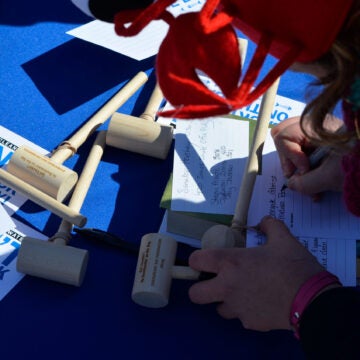
CBF works at local, state, and federal levels for effective laws and regulations that will reduce pollution, restore vital natural systems like oyster reefs, forests, and wetlands, encourage smart growth in our communities, and more. These actions are not only critical to clean water but also to our health, economy, and way of life. And we can’t do this essential work without you.
There Are Many Ways To Advocate
From joining our Action Network to writing a letter to the editor of your local newspaper to attending a lobby day event in Washington, D.C., there are a variety of ways that you can make sure your elected officials know that the Bay and its rivers and streams matter to you.
As simple as it might be, joining our Action Network is a great way to begin advocating for the Bay digitally. You’ll receive all the latest news and updates about our advocacy efforts and decide which clean water issues are most important to you and how you can get involved.
It’s human nature to trust the words of your friends and family more than anyone else. Whether you’re sharing an informative blog post on social media or a petition with your friends and family via email, one of the easiest, most effective ways to advocate is to spread the word to the people you know the best.
We regularly update our website with advocacy actions on the local, state, and federal levels. From sending a message to your representative to calling your county council member to signing a petition standing up for clean water, check out all the ways you can take action for the Bay!
Writing a letter to the editor helps to frame the debate around an issue, stimulate discussion, and inform the public. Equally important, your elected officials read the paper, too. Whether you’re jeering or cheering, you’re leveraging the media to get attention.
What if your local paper didn’t pick up a story? Local papers are incredibly short-staffed and environmental reporting has taken a hit even in the last couple years. Feel free to forward an AP or Reuters story to your local paper and ask it to carry more information about the environment in the future.
In our current digital age, there are several quick and easy ways to contact your elected officials at all levels, including:
- Social media: Most if not all elected officials are using social media to share their stances on issues, campaign for re-election, and communicate with their constituents. If you want to quickly reach out to your elected officials, thank them for their action, urge them to support a cause, remind them of a letter you sent them or a meeting you had with them recently, social media is a good way to do that. Feel free to tag CBF (@chesapeakebay on Facebook and @chesapeakebayfoundation on Instagram) and use #SaveTheBay so that we can see your post and maybe share.
- Write: Writing a letter to an elected official is a very simple way to make your voice heard. Your elected officials typically have either a publicly available email address or a comment form where you can submit your comments, concerns, and more directly to their office. If you’re feeling more analog, you can also send a physical letter. Believe it or not, we hear from elected officials all the time that the old-fashioned, hand-written (or typed and signed) letter is still a very effective means of citizen lobbying. It demonstrates a sincere and personal investment in the issue.
- Call: Calling your elected official is an incredibly effective advocacy method, especially on time-sensitive issues. And there’s no need to be nervous when you call your elected official’s office. You will most likely be talking to a staffer or intern rather than your elected official. If you are still uncomfortable talking to someone directly, call the elected official’s office after 6 p.m. and you’ll most likely be able to leave a message.
Taking the time to meet with an elected official face-to-face is the most powerful thing an advocate can do. By doing so, you show them how critically important this issue is to you and how it should matter to them. Constituents hire (and fire) our elected officials. To do their job well, elected officials need to understand their constituents’ needs. And it is our responsibility to express our opinions directly to them. Elected officials hear from lobbyists all the time—but they also need to hear from you, their constituents (and their bosses).
What are public hearings, and why should you consider participating?
Public hearings often occur to discuss specific legislative or regulatory proposals and are a crucial part of the public engagement process. Decision-making bodies (Congress, state government, regulatory entities like the EPA or your state Department of Natural Resources, city councils, planning commissions, etc.) often hold hearings to create an official record of information and opinions of community members, issue experts, and individuals/groups that may be affected by decisions made by the body. Hearings also provide those decision makers a venue to express their own thoughts and opinions on an issue as well, and challenge those of their opponents.
Public testimony is an effective way to educate elected officials about the impact, either positive or negative, an issue has on the public.
Participating in our democracy is critical to saving the Bay. Across the watershed, communities are working hard to reduce pollution from runoff, sewage, and agriculture. But even though we’ve made important strides, the recovery is fragile. The Bay and its rivers and streams still have a long way to go to be healthy—and they need you to speak up for them with your vote.
