Striped Bass (Rockfish)
Striped bass migrate up and down the East coast, ranging from Maine to North Carolina, but the Bay is their primary nursery area. Currently overfished, striped bass face a variety of threats, and managers and stakeholders alike are making sacrifices to rebuild and maintain this iconic species.
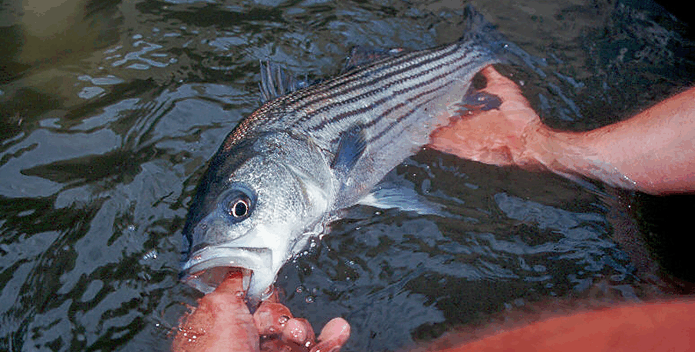
Striped bass are a top predator and a crucial part of the Chesapeake Bay ecosystem. Their local name, “rockfish,” comes from their habit of hiding among oyster reefs and rocks, where they feed on smaller fish, such as or menhaden and crustaceans like juvenile crabs and shrimp.
About Striped Bass
Known locally as rockfish, striped bass are perhaps the most iconic fish throughout the Chesapeake Bay and much of the Atlantic coast.
Striped bass are an anadromous fish, meaning they spend much of the year in the ocean before returning to their home rivers to spawn each spring. The Chesapeake Bay is the largest estuary in the United States and consequently produces roughly 80 percent of the coastwide striped bass population, according to tagging and genetics studies. Juvenile striped bass remain in the Bay until nearing maturity around age four, when they move into the coastal population. They spend their summers in the cool waters off of New England.
Striped bass are regularly the most popular recreationally caught fish both on the Atlantic coast and within the Chesapeake Bay, where they are the focus of popular fishing tournaments, recreational fishing charters, and commercial fisheries. This fuels both coastal and Chesapeake Bay economies, provides invaluable outdoor experiences, and recruits the next generation of conservationists.
Striped bass are managed by the Atlantic States Marine Fisheries Commission (ASMFC), an interstate compact of Atlantic coast states that seek to cooperatively manage inshore fisheries. The ASMFC manages striped bass according to frequently updated coastwide stock assessments. Compared to other species, striped bass are well studied and the extensive data available on them leads to reliable assessments. Currently, however, striped bass are overfished. The ASMFC is required to rebuild the species by 2029. In recent years, the ASMFC has instituted regulation changes to reduce the number of striped bass that anglers and commercial fishermen harvest. Additional conservation is likely needed to successfully rebuild.
In the 1970/80s, the striped bass stock collapsed due to heavy overfishing and consistent poor reproduction, prompting harvest moratoriums. Thanks to effective conservation measures and a rebound in reproduction, the species was declared rebuilt by 1995. By the early 2000s, striped bass were incredibly abundant throughout the coast, and anglers enjoyed spectacular striped bass fishing—maybe too much, as history currently risks repeating itself.
Threats to Striped Bass
Striped bass populations face many challenges from humans and their environment.
The greatest threat facing striped bass is a recent trend in poor reproductive success. Since 1999, longstanding and reliable scientific surveys in Maryland and Virginia have documented well-below average spawning success, meaning there are very few baby striped bass available to mature into the coastwide population. Striped bass spawning is largely driven by intertwined environmental factors, further complicating this challenging reality.
The Chesapeake Bay estuary provides critical nursery habitat for roughly 80 percent of striped bass coastwide. Therefore, water quality and habitat degradation in the Bay directly impact the striped bass population. Without quality habitat and clean water, striped bass are more prone to disease, stress, predation, and mortality. Higher water temperatures, low oxygen levels, and changing rainfall patterns due to climate change are a growing concern. As an example, striped bass are more likely to die from catch-and-release angling in warm water with low oxygen levels. Warmer waters may be leading to reduced spawning success while also increasing stress and reducing the growth of young striped bass.
Menhaden are a small, nutrient-rich fish that are a primary prey species of rockfish and other fish and wildlife. Striped bass scientists concluded that the species relies on menhaden and is sensitive to menhaden abundance. In Virginia, a high-volume industrial fishery removes more than 100 million pounds of menhaden from the Bay annually to create fish feed, fish oil pills, and other products. This has prompted legitimate concerns for the health of the Bay, its fish, and other wildlife.
Blue catfish are an invasive fish species with a voracious appetite. First introduced into Virginia tributaries in the 1970s, blue catfish have since spread into every Chesapeake Bay tributary and pose a grave threat for our Bay ecosystem. Blue catfish diets are a popular subject for Bay scientists, and more work is needed to effectively quantify the species invasive sprawl and impact on food-webs. Scientists have documented that blue catfish eat juvenile striped bass, shad, and blue crabs.
What CBF is Doing
CBF consistently advocates for science-based striped bass management and conservation at the ASMFC and Maryland Department of Natural Resources.
Currently, the ASMFC is considering options, referred to as Draft Addendum III, to reduce fishing mortality to improve the odds of rebuilding striped bass by 2029. Options will include potential seasonal closures and commercial quota reductions. CBF is reviewing this management document and will provide all the necessary resources to weigh in on future management changes and advocate for striped bass conservation in the near and long-terms.
Oyster reefs help filter the water and provide important habitat for rockfish and other fish species. CBF operates oyster restoration centers in Maryland and Virginia to grow and place millions of juvenile and adult oysters in the Bay each year.
Nitrogen and phosphorus drive low-oxygen dead zones. CBF is working on the ground to stem the flow of these nutrients into Bay waters from farms, cities, wastewater treatment plants and septic systems, and other sources of pollution. We also work to hold the government and polluters accountable through advocacy and, when necessary, litigation.
Fighting climate change and its impacts, including warming water temperatures, is essential to help sustain striped bass in the long term. From helping farmers implement regenerative agriculture practices to planting streamside buffers and advocating for clean air regulations, much of CBF’s work to save the Bay has the dual benefits of reducing pollution and fighting climate change.
Four Ways You Can Help Rockfish Recover
There are many ways you can help us restore rockfish populations and improve water quality in the Bay.
The number of striped bass that die after catch and release is a large component of total loss. To increase survival rates and to promote sustainable fishing outings, anglers should follow these practices: use adequate fishing gear to limit fight times; consider employing a rubber net to support the fish and protect their slime coat; minimize handling time out of the water; consider reducing the number of hooks on your lure and de-barbing hooks; take time releasing striped bass in poor water conditions. During the summer months when Chesapeake Bay waters become very warm and have low oxygen levels, striped bass become much more vulnerable to dying after catch and release. It is important that anglers understand this and adjust their fishing practices accordingly. When air temps are 95 degrees or above, anglers should consider not targeting striped bass and take extra precaution to release striped bass in the best condition possible.
Share this information with your neighbors and friends. Let them know why striped bass are important to the health and economy of the Chesapeake Bay.
Share your support for science-based rockfish management by writing a letter in your local paper or to state officials responsible for fishery management.
Join CBF’s restoration programs, including oyster restoration projects, tree plantings, and more.
Related Programs
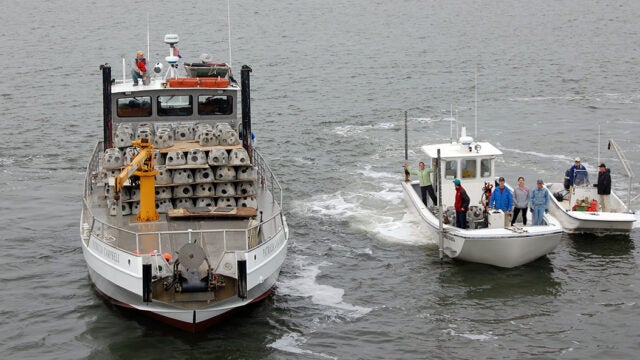
In support of re-establishing this keystone species, CBF has established facilities and programs in Maryland and Virginia devoted to restoration of the Eastern oyster, Crassostrea virginica.
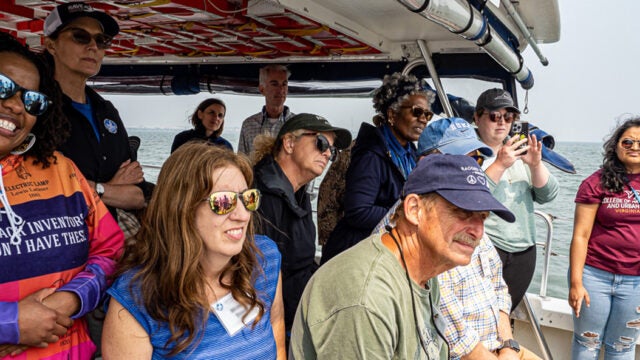
CBF's Volunteers as Chesapeake Stewards, or VoiCeS, program engages local volunteers and their communities and fosters a deeper understanding of the Bay watershed and the efforts to restore it.

Do you enjoy working with others to help restore the Chesapeake Bay and its rivers and streams? Whether growing oysters, planting trees, or helping in our offices, there are plenty of ways you can contribute.
Related Resources
Related Stories
-
 Blog Story
What’s Next for Striped Bass in Maryland?
Maryland’s over-complicated striped bass fishing regulations could get a makeover, protecting more fish in the process.
-
 Blog Story
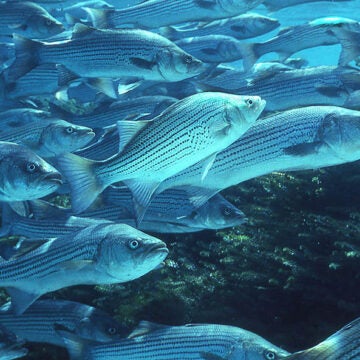
Everybody’s Fish: Striped Bass on the Move
Their impressive annual migrations from estuarine nurseries to summer ocean feeding grounds make striped bass a cultural icon along the Atlantic Coast. But with populations struggling, the fish need many helping hands along the way.
How to Get Involved
From signing up for an event to shopping our CBF Store, there are so many ways you can get involved in the Save the Bay movement.
