Vote for the Bay
Casting your vote in every election is critical to saving the Chesapeake Bay, its waterways, lands and wildlife. Learn more about why it matters and explore useful voting resources.
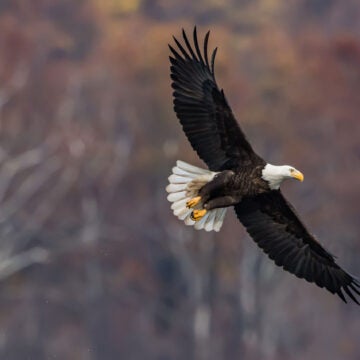
To save the Bay now and for generations to come, participation in our democracy is essential. That’s why it’s so important to urge candidates running for public office to support policies that are good for clean water, strong economies, and vibrant communities.
Across the watershed, communities are working hard to reduce pollution from runoff, sewage, and agriculture. But while gains have been made, the recovery is fragile. The Bay and its rivers and streams still have a long way to go to be healthy.
Your voice matters in this process. Thanks to clean water advocates, we’ve celebrated many wins across the watershed. But those wins start with electing officials at all levels, from local to state to federal, that prioritize clean water, strong economies, and vibrant communities.
What Your Elected Officials Can Do for Clean Water
Strong leadership is crucial for the more than 18 million people who live in the watershed. The next phase of Bay cleanup will require significant change, while remaining grounded in what has enabled success so far: science, accountability, and partnerships.
We won’t have a healthy Bay in the future unless all partners, including our elected leaders, pledge to continue working together. Consistent political will is integral to Bay restoration and will require elected officials at all levels to embrace the following priorities:
- Backing the state and federal commitments made by the region’s governors and the federal government to restore and protect the Chesapeake Bay, its waterways, lands, and wildlife. We must hold states and the federal government accountable to the commitments they made to restore, conserve, and protect the Chesapeake Bay region. This includes holding polluters, regulators, and decision-makers accountable for clean water for all and advancing policies and regulations that improve the health and resiliency of the Chesapeake Bay, its waterways, lands, and wildlife.
- Protecting this region for future generations in a changing climate. We must see a concerted effort to mitigate and adapt to climate change to ensure the vibrancy and resilience of the watershed’s communities and resources. This can be achieved through mitigation strategies to reduce greenhouse gas pollution as well as through restoration strategies that provide nature-based solutions to climate change, particularly for communities and habitats that are disproportionately impacted.
- Ensuring all people who live, play, or work in the Chesapeake Bay region have equitable opportunities to experience, and benefit from a thriving Bay. We want everyone to have clean water, a healthy environment, high quality environmental education, and access to all the Bay watershed has to offer—including a voice in shaping its future—regardless of their zip code, income, race, or any characteristic for which they have been historically excluded.
Interested in information on Bay-friendly priorities at the local, state, and federal levels? Learn more about priority issues we’re fighting for in Maryland, Pennsylvania, Virginia, and our nation’s capital.
Pledge to Vote for the Bay!
As Election Day draws closer, we encourage you to keep the Bay and its rivers and streams in mind. The health of our region’s environment, our public health, and our way of life are all interconnected and all at stake. The Bay can’t vote, but you can!

Why It Matters
Our elected leaders have had direct impact—both good and bad—on our environment and communities. Here are just a few examples of ways they impact the Bay and our work:
- Appropriating critical funding for key agencies and programs: It is critical that all levels of government have the resources necessary to support the scientific collaboration, on-the-ground restoration, and technical assistance required to fully implement the revised Bay Agreement. This agreement emphasizes the importance of shared responsibility between the federal government, states within the Bay watershed, and the District of Columbia, highlighting the need for elected officials at all levels to commit to Bay restoration.
- Enacting protective statues and regulations: Regulations are the rules that agencies use to implement the laws written by Congress, including the Clean Water Act. In other words, if laws set the goal (i.e., clean water), regulations outline the details necessary to make it happen. Despite the powerful role they play, regulations are typically a lot easier and faster to change than laws because doing so doesn’t require congressional approval. And they usually happen out of the spotlight and often hide behind wonky titles. That makes them potentially dangerous, because they can make huge, real-life changes while getting lost in the shuffle. And while each small change might not seem like a big deal, they add up to real damage.
- Holding polluters accountable: Investments and laws are only as good as the protections that go along with them. Whether it is EPA holding the Bay states accountable for their pollution-reduction goals under the revised Bay Agreement, state-level agencies holding polluters accountable, or citizens standing up to protect vulnerable communities, enforcement is critical at all levels.
Elections matter. Your vote matters. Clean air and water have historically been non-partisan issues. If continued protections for our natural resources are important to you, make sure you know the issues and where each candidate stands. Not sure where to start? We’ve compiled a list of questions (PDF) to ask your current elected officials and candidates running for office about clean water topics.
Remember: the further down the ballot you get, the closer you get to your wallet, your waterways, and your community. If you want to join us in making a change for the Bay, it’s critical to cast your vote at all levels of government.
Find Your Voting Resources
Each state has different deadlines for voter registration, mail in voting, early voting, and more. Check out our Voter Resource Center to find all the logistics surrounding voting including voter registration, important election dates, and candidates for office as well as your current elected officials.
The Chesapeake Bay Foundation (CBF) is a 501(c)(3) tax exempt, not-for-profit, charitable organization. As such we may not, and we do not coordinate with, support, or oppose any candidates for public office or political party. All the links provided above are public information available on state-sponsored government websites.
CBF believes it is the responsibility and duty of everyone to exercise their right to vote in every election, which is why we’re not only asking you but our staff as well to get out and vote. To facilitate this internally, CBF grants employees 2 hours paid leave during the workday to cast their vote.
