Video
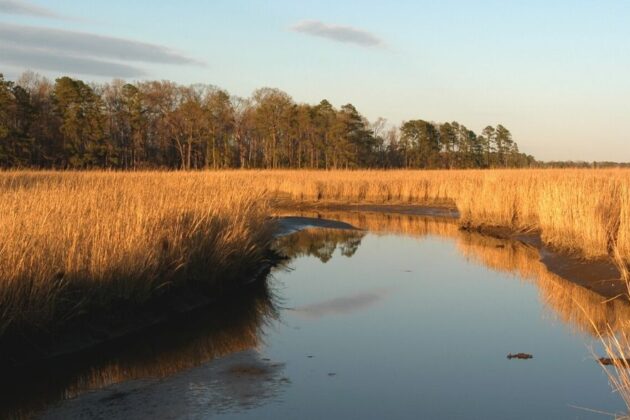
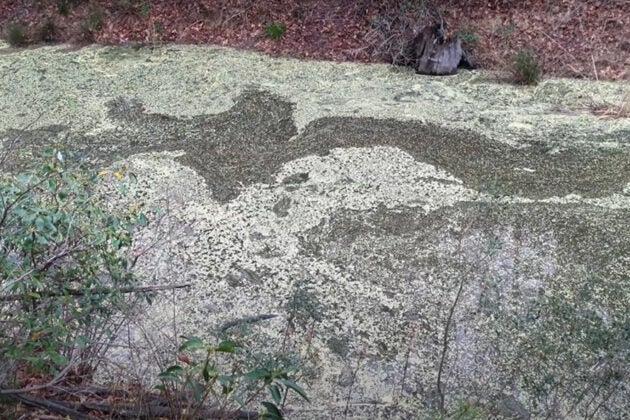
Pollen on the Water in James City County, VA
Credit: Kenny Fletcher/CBF Staff
Explore our educational videos, fact sheets, tips and tools for saving the Bay, directions to our facilities, and more!
Video
Credit: Kenny Fletcher/CBF Staff
Video
Educational Video
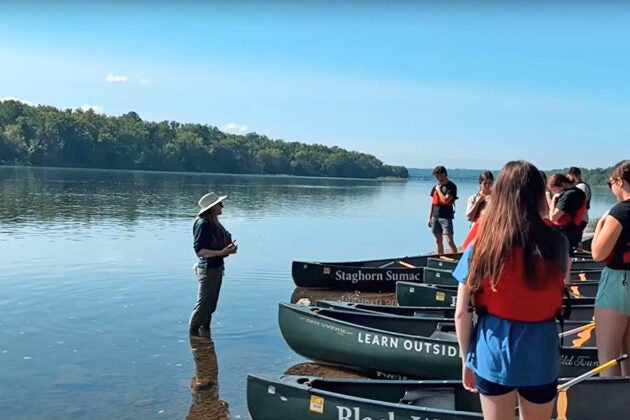
Learn Outside with the Chesapeake Bay Foundation in Virginia!
Education Program Resource
Learn Outside with the Chesapeake Bay Foundation in Maryland!
Video
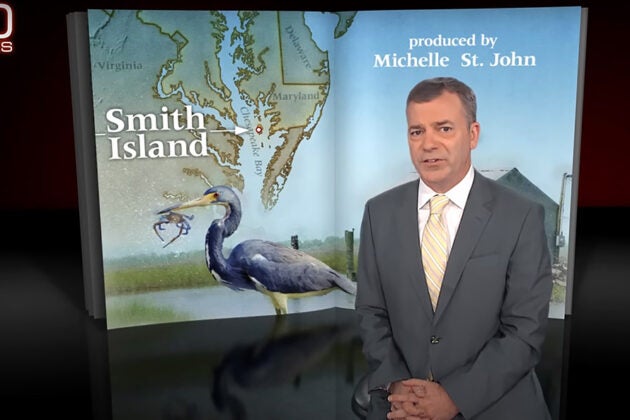
This episode of the CBS News program "60 Minutes" looks at Smith Island in the Chesapeake Bay, an island nestled off the coast of Crisfield in Tangier Sound, which is slowly disappearing as sea rises and erosion hits the shoreline. This video is being shared from the "60 Minutes" YouTube channel.
Education Program Resource
Learn Outside with the Chesapeake Bay Foundation in Pennsylvania!
Video
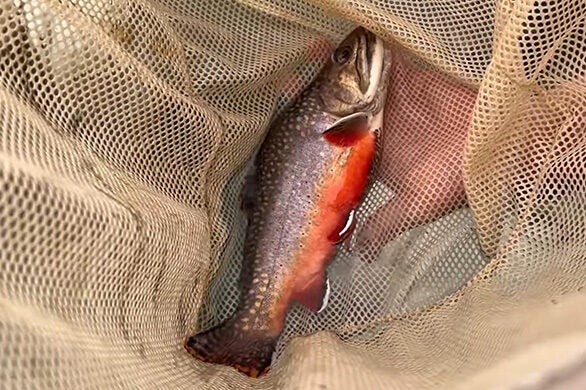
Brandon Keplinger explains how protecting the Potomac River headwaters is good for the whole river, the Chesapeake Bay, and West Virginia's native brook trout.
Webinar
Toxic pavement sealants are used to protect asphalt and are applied to streets, driveways, and playgrounds. Unfortunately, these pavement sealants are toxic, containing about 1,000 times more PAHs (polycyclic aromatic hydrocarbons) than asphalt-based sealants. Hear our speakers describe the harm done by PAHs, what cost-effective alternatives exist, and why CBF will be working on this issue during the 2024 General Assembly session.
Webinar
In this webinar we look at the value of wetlands, the protections they receive in Virginia, and why these protections are at risk.
Video
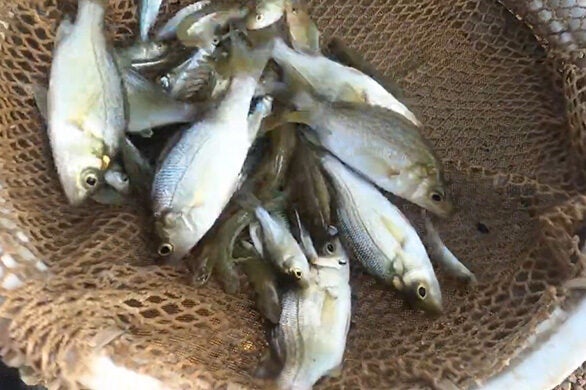
Data from a recent survey gives valuable insight into the future of the striped bass population and is an important tool in setting fisheries regulations. The Chesapeake Bay and its rivers form a key nursery area for striped bass, and clean water here is critical to the future of the fishery.
Video
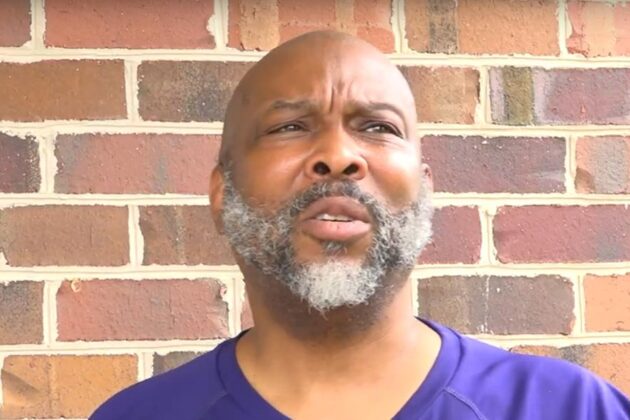
Petersburg advocate and resident Lafayette Jefferson discusses his concerns with plans to increase operations at the Petersburg Compressor Station.
Webinar
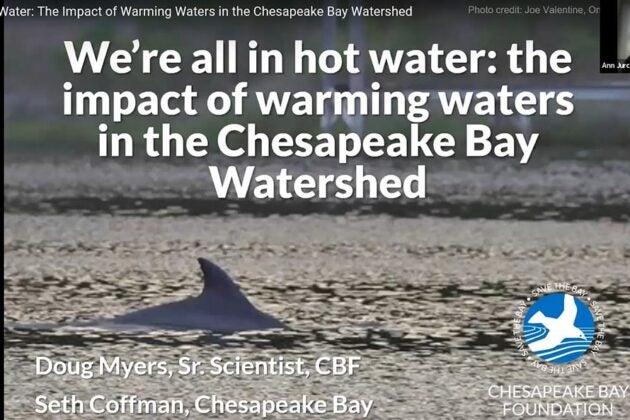
In this webinar, CBF Senior Scientist Doug Meyers and Seth Coffman of Trout Unlimited discuss what's driving water temperatures upward and the ecological implications for the watershed.