Save the Bay News: Freshwater Mussels, Oyster Gardening, and the Trouble with Stormwater
In this month’s newsletter, we discuss stormwater, freshwater mussels, oyster gardening, and so much more.
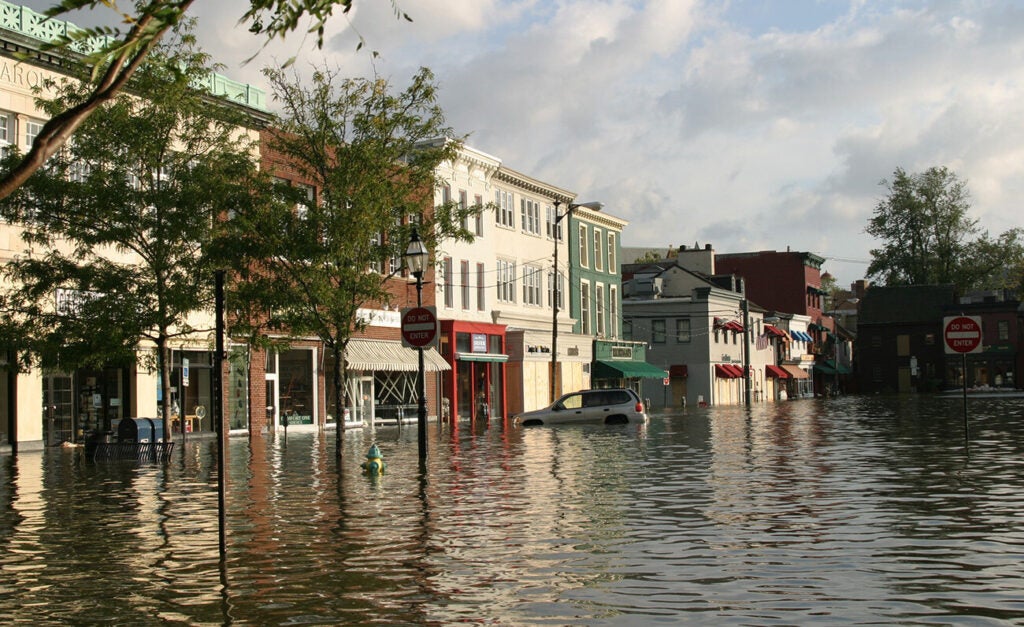
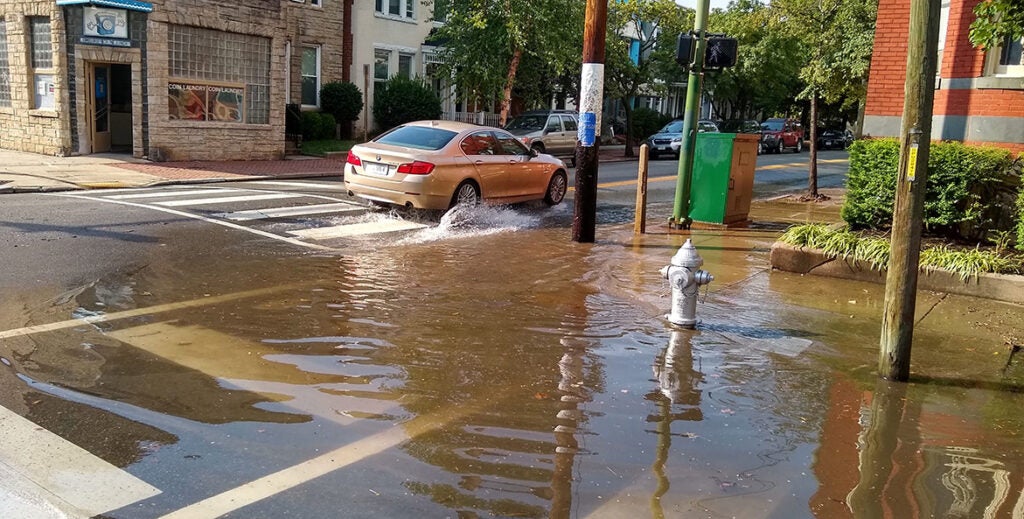
When it rains, it pours. Especially if it’s Memorial Day weekend. Some parts of Maryland saw five inches of rain over the past week, more than the state gets in a month in an average year. Where all that water goes in such a short span of time is increasingly worrisome for both residents and the health of the Chesapeake Bay. This month we kicked off a special blog series about the rising challenge of stormwater in Maryland, where it is the fastest growing source of pollution. The dual pressures of climate change and development mean there is need to enter a new “resiliency era” of stormwater management, says Diandré Richie, who spent the past year researching how states handle stormwater across the Chesapeake Bay region. They also mean actions like the recent Pennsylvania Supreme Court decision on stormwater fees and Maryland’s issuance of an inadequate industrial stormwater permit are all the more worrying.
Taking care of pollution upstream, whether it’s by slowing down stormwater in cities or planting trees on farms, is incredibly important for the creatures who live downstream. That includes vulnerable freshwater mussels. Surveys in the Pamunkey River in eastern Virginia this spring discovered five species of mussels, which was exciting news as CBF and many other partners in the new Pamunkey Freshwater Mussel Alliance work to return native mussels to the region’s rivers. Restoration of the Bay’s more well-known bivalve also continued as young oysters found new homes on sanctuary reefs, thanks to CBF’s dedicated volunteer oyster gardeners. They need your help right now, too. A U.S. House committee recently passed a bill that would be devastating for oyster restoration, cutting funding and allowing harvest on restored reefs. You can urge Congress to keep the Bay’s oyster sanctuaries protected. Also, this month: A slight bump for blue crabs, delayed action on menhaden, and 31,000 pounds of litter removed from Virginia waters.
 Michael Land/Chesapeake Bay Program
When It Rains, It Pours
“The first flood was really scary,” remembers Jonah Hessels, who lives with his family in Baltimore. Their story is just one example of the threats from stormwater, the fastest growing source of pollution in Maryland and a serious safety and health concern. We kicked off a new blog series that will look at the challenge and what can be done about it.
 Kenny Fletcher
A Closer Look at Stormwater
Diandré Richie, the Dr. Beth McGee Science Fellow at CBF in 2025-2026, spent the past nine months researching how stormwater is managed and regulated in the Chesapeake Bay region. We asked him to talk about the big takeaways, including progress to date and the need he sees for a new “resiliency era” of stormwater management.
 Joe Wood/CBF Staff
Showing Off Our Mussels
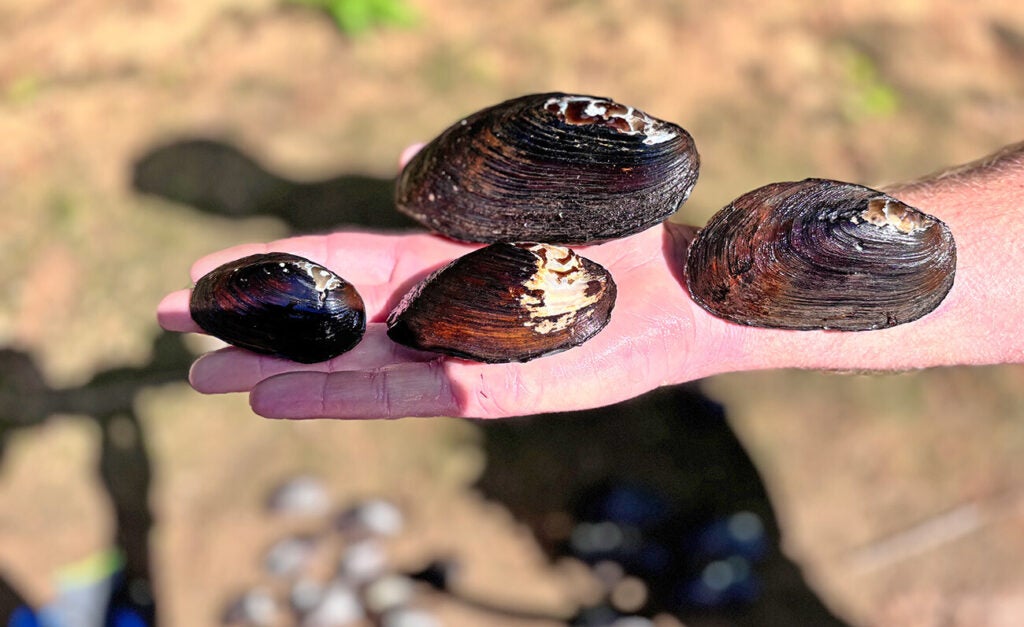
Pigtoe. Pocketbook. Muckets. Some of their names might sound like animal body parts, places to keep loose change, or errant sounds, but freshwater mussels are truly a class unto their own. Surveys in the Pamunkey River in eastern Virginia this spring documented five species, an exciting discovery for these imperiled creatures as restoration efforts gain steam.
 Codi Yeager/CBF Staff
Graduation Day for Oysters
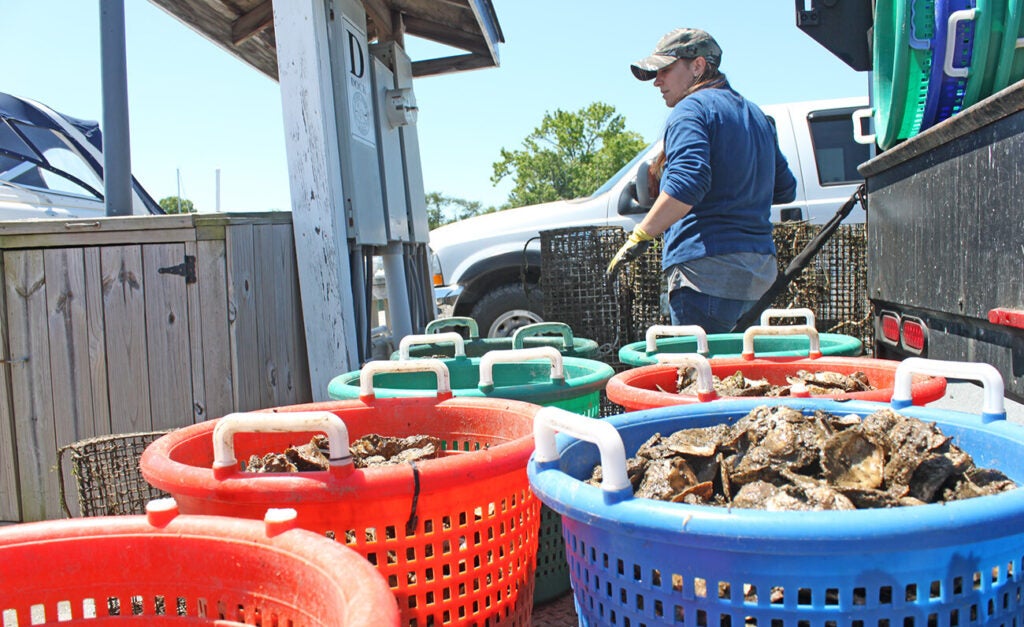
It’s mid-May. The sun is warm but not too hot. The water is a brilliant summer blue. After months of careful tending by CBF’s intrepid volunteer oyster gardeners, hundreds of young oysters are ready to graduate and find their permanent home in the Bay. Take a look at the final leg of their journey from oyster garden to sanctuary reef.
 Tyler Walker/CBF Staff
Shade for Sheep
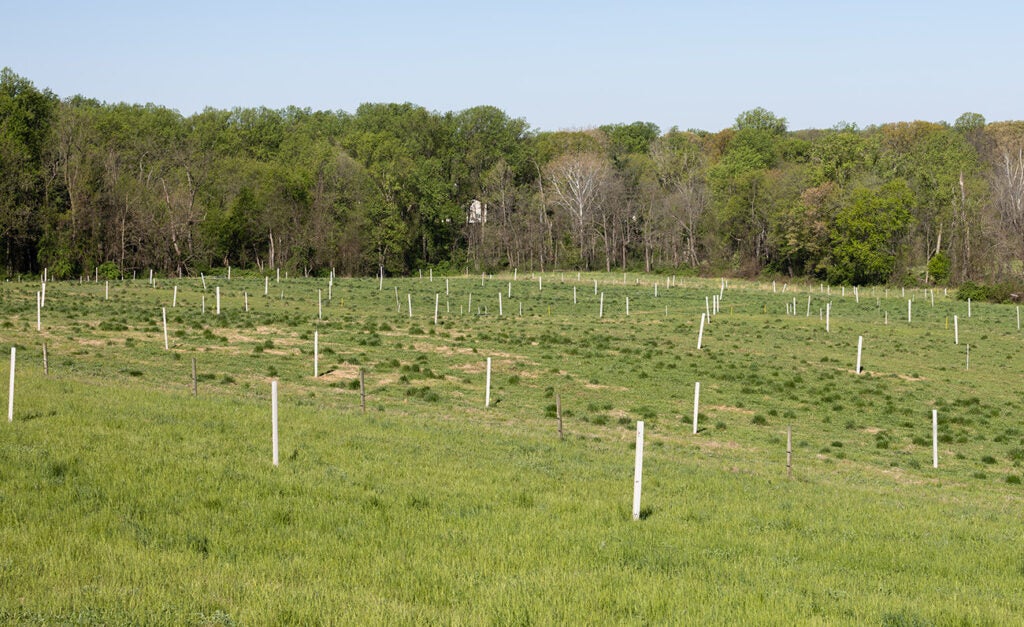
What do you get when you plant 20 acres of silvopasture, adding 400 native trees to the landscape of a working grazing farm in Harford County, Maryland? A deeper understanding of the connection between agriculture, clean water, and community action, writes Tyler Walker, CBF’s 2026 Maryland Restoration Intern. You also get shade for sheep, which is pretty cool.
In the News
Blue crabs see bump after years of struggle: The number of crabs in the Chesapeake Bay increased this year, but still remain below average, according to the annual survey.
House committee passes disastrous bill for oyster reefs: Provisions in a funding bill for the National Oceanic and Atmospheric Administration would strip funds for restoration and allow harvest on restored reefs.
Pennsylvania Supreme Court’s stormwater decision is a gut-punch to clean water efforts: The decision could open the door to allowing all Commonwealth properties to be exempt from any stormwater utility fees, a major setback in reducing polluted runoff and flooding.
The Potomac challenge: The sewage spill in our nation’s capital should be a wake-up call across the country, CBF President Hilary Harp Falk writes in a Letter to the Editor published in The New York Times.
Thousands clean up waterways across Virginia: Volunteers picked up at least 31,000 pounds of litter as part of CBF’s annual Clean the Bay Day, Virginia’s largest and longest-running litter cleanup.
Environmental groups go to court against Maryland’s inadequate industrial stormwater permit: The permit fails to address climate change, allows toxic pollutants to reach waterways, and threatens the most vulnerable Marylanders.
Fisheries commission delays consideration of Chesapeake Bay menhaden protections: The Atlantic States Marine Fisheries Commission has been weighing reforms that could cut the Chesapeake Bay reduction fishery cap by up to 50 percent, among others, but it did not yet advance the measures for public comment.
Gov. Spanberger signs pro-environment bills into law: A number of measures will improve the environment by cutting wastewater pollution, shoring up wetlands, and promoting climate resilience and environmental justice.
Environmental groups voice concern with South Baltimore landfill air pollution permit: The state’s latest air pollution permit for the Quarantine Road Sanitary Landfill in Baltimore puts people’s health and the environment at risk.
Shop the CBF Store
 CBF Staff
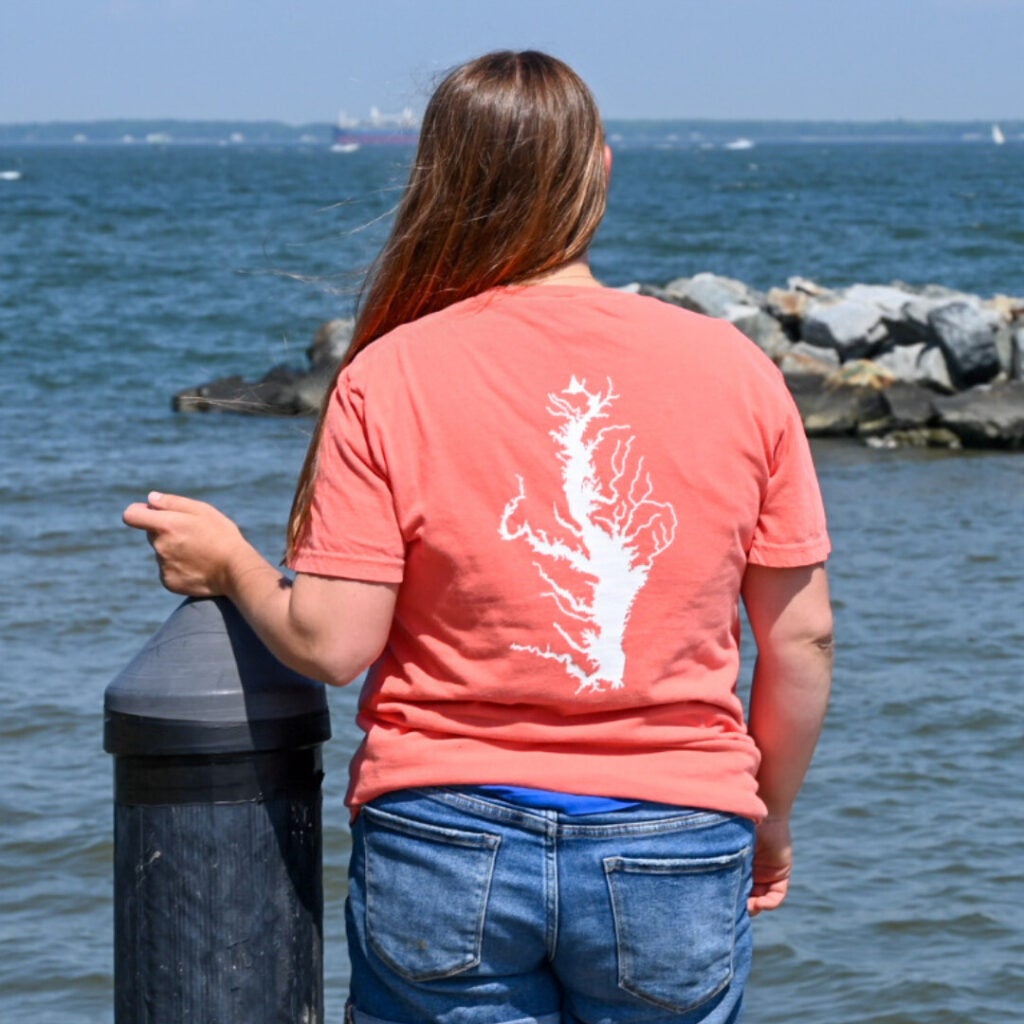
The Colors of Summer
Whether your summer plans involve time out on the Bay or day trips around town, the CBF Store has fresh new designs for the season.
What You Can Do
- CBF is continuing to host menhaden-focused events across Virginia. Join us to learn more about these critical fish, the growing pressures they face, and how you can take action to safeguard their future in the Bay. Additional events will be announced soon via email (make sure your email preferences are up-to-date)!
- From the halls of Congress to state houses across the watershed, we’re fighting for clean water—and you can, too. Join us in speaking up for clean water investments in Virginia, calling on Pennsylvania legislators to fight unchecked data center growth, urging Congress to keep the Bay’s oyster sanctuaries protected, and secure critical investments in environmental programs here and around the country!
- Match Alert: Our biggest matching gift of the year is here! Your Bay-saving donation is now worth DOUBLE until June 30 thanks to our generous friends at The Orokawa Foundation.
If you would like to receive these periodic updates directly to your email, sign up for our Save the Bay newsletter!
