Otters
What you need to know about the playful otter in Chesapeake Bay waters.
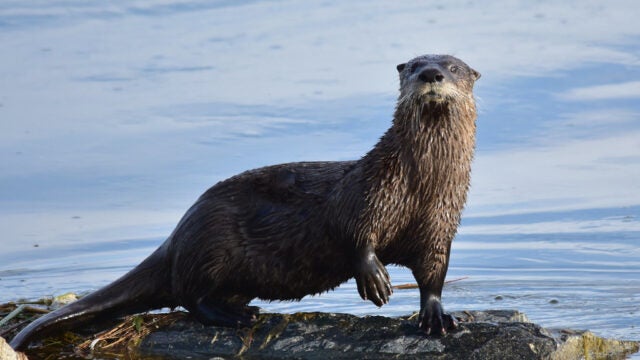
About Otters
When you think of local critters, North American river otters pretty much take the cake in terms of cuteness. Their playful nature and sweet faces make them a favorite here in Chesapeake country. Otters’ elusiveness makes a sighting all the more special.
There are 13 otter species worldwide. In the U.S., two—sea otters and North American river otters—make their home here. But only the river otter roams the Chesapeake Bay watershed, primarily occupying freshwater tributaries. We’ve heard of sightings across Bay country from the Corsica River on Maryland’s Eastern Shore to Sherwood Lakes in Virginia Beach to the Tidal Basin in D.C . If you keep an eye out—especially around dawn or dusk—you may just be lucky enough to spot one.
River otters split their time between land and water, spending about two-thirds of their lives on land despite their impressive swimming abilities.
Otters are opportunistic carnivores. They feast on fish, frogs, birds’ eggs—and even aquatic plants on occasion—supported by a metabolism fueled at about a 50 percent higher rate than similarly sized land mammals.
As top predators, river otters help maintain balance in their habitats and often serve as indicators of healthy ecosystems.
Whether twirling through the water or engaging in quirky behaviors like “dancing while they poop,” otters are captivatingly entertaining. Their social play also hones critical survival skills in young otters.
Threats to Otters
Otters face similar threats to other unique Chesapeake critters across the watershed.
The biggest dangers otters face come from us—especially through degraded water quality and polluted environments that disrupt their food sources and habitat health.
Historically, all otters, both river and sea, have suffered from fur trading and remain vulnerable to oil spills and habitat degradation.
What You Can Do
Here are thoughtful ways to support river otters (and otters in general).
Support efforts like planting trees and buffers to reduce pollution and improve water quality in streams and tributaries. Healthy waterways mean healthier otter habitats.
Minimize fertilizer and pesticide use, install rain gardens or buffer zones, and support sustainable land practices to prevent toxins from entering waterways.
Join our Action Network! Engage with and support clean water policies across the region.
If you’re fortunate to spot an otter, observe from a distance and consider reporting such sightings to local wildlife authorities—especially in areas where otters may be less common.
Related Programs

Do you enjoy working with others to help restore the Chesapeake Bay and its rivers and streams? Whether growing oysters, planting trees, or helping in our offices, there are plenty of ways you can contribute.
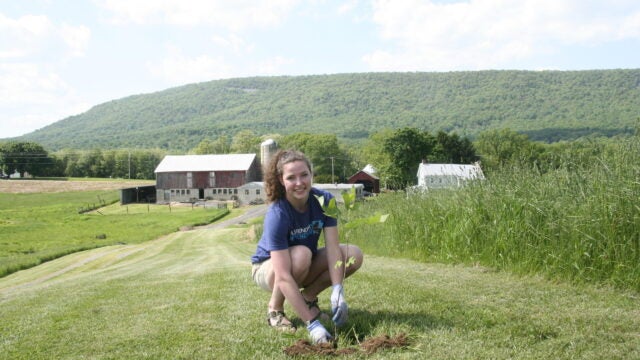
The Keystone 10 Million Trees Partnership is a collaborative effort of national, regional, state, and local agencies, conservation organizations, outdoors enthusiasts, businesses, and residents committed to improving Pennsylvania's communities, economy, and ecology.
Related Resources
How to Get Involved
From signing up for an event to shopping our CBF Store, there are so many ways you can get involved in the Save the Bay movement.
