Economy & Human Health
It's more cost effective to save the Bay than it is to let it die.
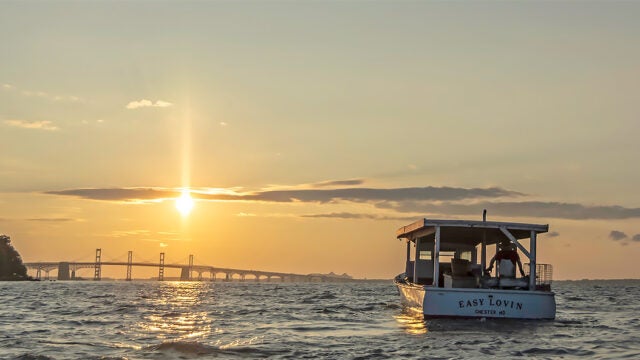
From providing an important source of drinking water to supporting a seafood industry that sustains families and generations-old ways of life, the Chesapeake Bay watershed is an integral part to the human health and wealth of more than 18 million people. When the Bay suffers, our economy, environment, and way of life suffer, too.
A degraded environment has dramatic and harmful effects on health, education, gender equality, and economic development.
—Jeffrey Sachs, American Economist and Director of The Earth Institute at Columbia University
Why is restoring the Bay critical to our health and economy?
The Chesapeake Bay is a powerful economic driver. Investing in Bay restoration creates jobs, stimulates local economies, and safeguards industries that depend on clean water—from fishing to farming to tourism. Moreover, the health of our waters directly affects human health. Pollution harms the food we eat, the water we drink, and the air we breathe.
Forests in the watershed filter water for 75 percent of residents—nearly 13 million people.
Maryland and Virginia’s commercial seafood industry generates $2.8 billion in sales and supports nearly 20,000 jobs annually. In terms of more specific fisheries:
- Striped bass remain the most popular commercial and recreational finfish in the Bay, generating roughly $500 million in economic activity related to fishing expenditures, travel, lodging, and so on each year (“The Economics of Recreational and Commercial Striped Bass Fishing”).
- A 2020 economic analysis found that oyster aquaculture operations in Maryland contribute an average of $9 million per year to the state’s economy and the industry has grown by about 24 percent per year since 2012.
- Chesapeake Bay watermen supply as much as a third of the nation’s blue crabs each year. The average commercial harvest Bay-wide between 2012 and 2022 was more than 47 million pounds each year! (2023 Blue Crab Advisory Report)
Boating, fishing, and wildlife watching generate billions in revenue and tens of thousands of jobs each year across the Chesapeake region.
Clean waterways can increase nearby home values by up to 25 percent.
Reduced pollution means safer seafood, cleaner air, and lower risks from harmful bacteria and algal blooms.
Investing in restoration creates jobs, stimulates the economy, and safeguards industries that depend on clean water. Fully funding farm pollution-reduction practices alone could inject $655 million annually into the regional economy, including $269 million in higher earnings for workers and businesses.
Threats to Our Bay, Health, and Economy
Despite its importance, the Bay is under extreme pressure, threatening our economy and health.
Excess nitrogen and phosphorus from farms, urban areas, and wastewater treatment plants fuel harmful algae blooms, dead zones, and bacteria spikes.
Far too much pollution still reaches our waterways from agricultural runoff. Though it is the largest source of pollution to the Bay, it is also the greatest opportunity for restoring our waters. A 2022 CBF report, Agricultural Conservation Practices: Clean Water and Climate Smart Investments, found that fully funding the farm pollution-reduction practices needed to restore the Chesapeake Bay would inject $655 million annually into the region’s economy, including $269 million per year in higher earnings for businesses and workers.
Expanding suburbs and cities increase polluted runoff and reduce forest cover.
Rising seas threaten nearly 250,000 acres of wetlands, while warming waters stress marine life. What’s more the combination of warmer waters from climate change, nutrient pollution, animal waste, and sewage contribute to the growth of harmful bacteria in our waters such as Vibrio (a bacteria that can cause life-threatening skin and blood infections and intestinal illnesses), Cyanobacteria (a blue-green algae that can cause liver disease, skin rashes, nausea, and vomiting), and Cryptosporidium (a protozoan that can cause gastro-intestinal illness).
Oysters, blue crabs, and striped bass face habitat loss, pollution, and overharvest. In the case of oysters, over the last four decades, Maryland and Virginia have suffered more than $4 billion in cumulative annual losses because of the decline of industries related to oyster harvesting. Likewise, harvests have fallen to a fraction of historic levels. Rebuilding oyster populations would stimulate economic growth.
What CBF Is Doing
A healthy Bay is key to a healthy economy and way of life. That’s why CBF is working hard to restore our Bay—everything from oyster and tree restoration to advocating for clean water policies to engaging our communities.
Growing and planting millions of water-filtering oysters with partners on sanctuary reefs, recycling oyster shells, and supporting aquaculture to improve water quality and habitat.
Advocating for fully funded conservation practices, especially in agriculture, to cut nutrient runoff and improve water quality. Working with farmers to plant trees and other best management practices that reduce pollution from flowing off of farms into our waters.
Working to protect wetlands, forests, and shorelines from sea level rise and extreme weather.
Mobilizing volunteers, schools, and businesses to take direct action for cleaner waterways.
Pressing states and the federal government to meet pollution-reduction goals and strengthen environmental protections.
What You Can Do
Here are just a few ways you can be part of the movement to save the Bay!
Support sustainable seafood choices. Buy and eat local to support local businesses, keeping money within the community, creating jobs, and fostering economic resilience for aquaculturists, farmers, and producers.
Reduce lawn fertilizer and plant native vegetation to limit runoff. Water responsibly. Plant native, diverse, bee-friendly flowers and other plants like white clover, Eastern purple coneflowers, or goldenrods. Finally, give your lawnmower a rest! Don’t be afraid to let your lawn or yard grow. Perfectly trimmed and manicured lawns are a food desert for bees and other important pollinators and they are not as effective at soaking up runoff pollution.
Join CBF oyster gardening or shell recycling programs or volunteer to plant water-filtering trees or build living shorelines.
Advocate for clean water funding and strong environmental protections. And if you haven’t already, sign up for our Action Network to get late-breaking news and opportunities to use your voice for our Bay.
Our work is only possible through the support of people like you. Donate today to support our education, advocacy, and restoration work.
Special Note: Unless otherwise noted, data comes from CBF’s 2014 report The Economic Benefits of Cleaning Up the Chesapeake.
Related Programs
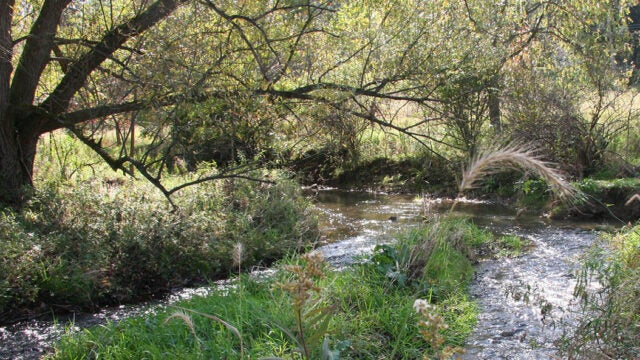
Renewal projects affecting three watersheds represent an evolution in CBF’s work to reduce pollution to Pennsylvania’s rivers and streams.
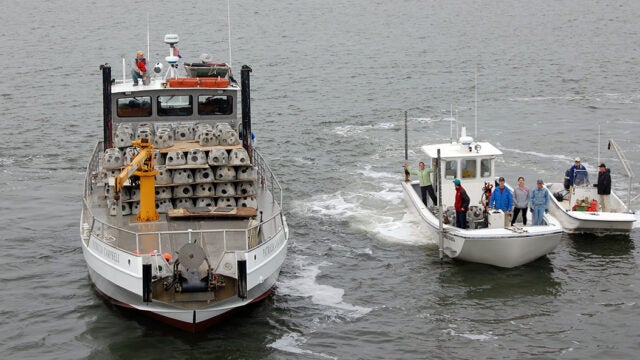
In support of re-establishing this keystone species, CBF has established facilities and programs in Maryland and Virginia devoted to restoration of the Eastern oyster, Crassostrea virginica.
