Fisheries
From blue crabs to oysters to rockfish, the Chesapeake Bay is perhaps best known for its fisheries. But pollution and overharvesting threaten these iconic and valuable fisheries.
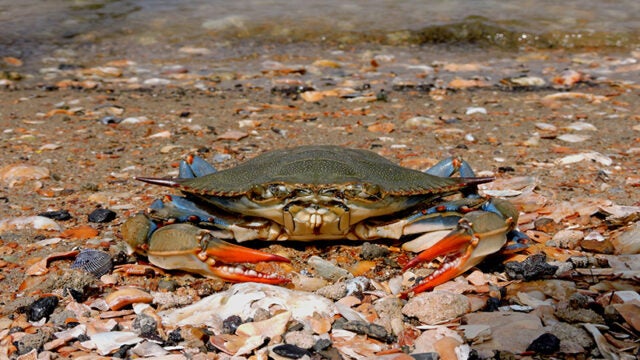
The Chesapeake Bay is home to 348 species of finfish and 173 species of shellfish, many of which have been fished commercially and recreationally for generations. Sadly, over time, water pollution, damaged oyster reefs, underwater grass beds, and other habitats along with overharvesting have taken their toll on once-abundant fisheries.
About the Bay's Commercial Fisheries
As the largest estuary in North America, the Chesapeake Bay is a hot spot for commercial fishing—both for the variety of fish species found in the watershed and the quality of the seafood harvested here. While the Chesapeake Bay is known for our iconic blue crabs and oysters, they are only two of the many fisheries here.
The Chesapeake Bay’s fisheries are a huge economic driver in the region. Fisheries represent jobs, tourism, and a unique way of life. Here’s what that means by the numbers:
- Five-hundred million pounds of seafood are harvested each year from the Chesapeake Bay, supporting the region’s livelihoods and ways of life.
- The 2022 Fisheries Economics of the U.S. report by the National Oceanic and Atmospheric Administration (NOAA) indicates that the commercial seafood industry in Maryland and Virginia contributed almost $8 billion in sales, almost $2 billion in income, and more than 60,000 jobs to the local economy.
The Chesapeake Bay remains one of the few places in the world that still supports an industry based on harvesting oysters from the wild. But the oyster population is a fraction of what it once was. Decades of overharvesting, disease, and pollution have taken their toll, removing not just the oysters but the valuable habitat they created, as well. Learn more about the importance of oysters to the Chesapeake and efforts to restore them.
With wild oyster harvests struggling, a new, growing industry is taking hold and is helping to keep oysters supplied to our restaurants and oyster roasts. Aquaculturists are successfully farming shellfish (oysters and clams) throughout the Bay. Much of this new industry is focused on providing uniquely branded oysters for a variety of markets.
Just like the oyster, the blue crab is critical to the Chesapeake’s culture and economy. The population fluctuates annually based on a variety of factors, including weather, reproduction, fishing pressure, and predators. Recently blue crab numbers have dropped. Learn more about blue crabs and the challenges they face.
These small silvery members of the herring family create a vital connection between the bottom and top of the food chain, helping nourish a variety of important predators, including striped bass, osprey, and marine mammals. Atlantic menhaden have been the number one fishery in the Chesapeake by weight for decades. More than 150,000 metric tons are caught each year. Most of the catch is rendered into oil and fish meal for dietary supplements (a process called reduction) and feed for livestock and aquaculture. A significantly smaller but important portion supplies bait, especially for the blue crab fishery. Read more about the importance of menhaden.
Overfishing devastated the Chesapeake’s rockfish stocks in the 1970s, but intensive conservation efforts in the 1980s through the 2000s restored them to sustainable levels. However, recent assessments of striped bass indicate the stocks are once again on a downward trajectory, with indications that overfishing is occurring and the stocks are in a depleted state. Challenging environmental conditions, elevated catch and release mortality, and lower than average spawning success are contributing to striped bass declines. Swift and meaningful management action by the Atlantic States Marine Fisheries Commission will be necessary to reverse this decline. Find out more about the challenges facing Chesapeake’s striped bass population.
For 200 years, American shad was the most valuable and important fishery in the Chesapeake Bay. But after decades of harvest pressure, pollution, and migration barriers, this iconic fish is quite simply in trouble. Recent efforts to curtail fishing, improve habitat, and stock with hatchery fish have failed to produce any significant increase in shad populations.
Moving forward, our fisheries need thoughtful, proactive management combined with aggressive restoration efforts in order to improve fished populations across the board. Find out more about American shad.
Threats to the Bay's Fisheries
Pollution, overfishing, and climate change are some of the current threats facing the Bay’s aquatic livelihood.
Poor water quality affects both the Bay’s fisheries as well as those who consume the fish and shellfish from our waters.
The health of the Chesapeake Bay and its underwater residents suffer from both airborne and waterborne pollution. Air pollution, primarily from power plants, is the main source of the mercury contamination of fish in the Bay watershed. As a result, anglers are warned to limit their consumption of certain fish species due to potentially harmful levels of this toxic chemical.
Unfortunately, in April 2020 EPA reversed its stance on regulating toxic chemical emissions, including mercury, from power plants. Also, regulations focused on reductions in nitrogen oxide and sulfur dioxide emissions have been delayed by industry lawsuits.
Waterborne pollution comes from polluted stormwater runoff from cities, suburbs, and farms. Runoff picks up oil, pesticides, and other chemicals as it flows across lawns, fields, roads, and parking lots into nearby streams and storm drains. There, it enters an interconnected web of bioaccumulation.
Here’s what the impact of bioaccumulation looks like in practice: Small, bottom-dwelling aquatic organisms take up these contaminants as they feed…larger fish eat these contaminated organisms and accumulate toxins in their tissue…and we humans—and other animals—end up consuming these contaminates when we eat the fish.
Fisheries management is comprised of two basic functions: conservation—determining how many fish, crabs, and oysters can be caught without harming the resource—and allocation–determining who gets to harvest these resources. Historically, conservation has too often been compromised to satisfy allocation pressures. The result? Depleted fisheries.
Stronger storms washing both more pollution and fresh water into our waterways, along with warming water temperatures resulting from climate change, are already affecting the Bay region. Warmer waters experience more dead zones. Temperature-sensitive Bay grasses suffer and fish are pushed out of their traditional habitats. The encroachment of fresh water into traditionally saltier regions affects oysters and impacts migration and spawning patterns. These effects impact wildlife as well as commercial anglers and the region’s communities.
What CBF Is Doing to Support Strong Fisheries
With partners and communities, CBF is actively reducing pollution and advocating for strong science-based management decisions about the Bay’s critical fisheries.
We believe the core fishery management functions of conservation and allocation must be addressed separately. At CBF, we focus on conservation issues. And for those conservation efforts to be successful, we believe they must be based on science with input from all stakeholders, including the commercial watermen. We promote the use of the best available scientific information as the basis for conservation decisions, but when information is incomplete, we advocate caution, erring on the side of the resource.
How You Can Help Restore the Bay's Fisheries
Here are a few steps you can take to make a difference.
Help rebuild the Chesapeake Bay’s oyster population by growing oysters alongside your docks. Then, we’ll plant them on our sanctuary reefs!
Did you know oyster shells could be used to create habitat for other oysters? CBF places cleaned, cured shells in huge water tanks containing millions of microscopic oyster larvae, which then attach to the shells. These oysters and shell then go back into the Bay when ready. Find locations in Maryland and Virginia where you can recycle your shells, as well as restaurants that support our efforts.
Even fish that are released alive can die after release because of the stress of being caught and handled. Learn how to safely handle and release fish to minimize this “post-release mortality” that impacts fish populations.
From capturing and filtering out pollution before it enters our waterways to alleviating flooding by stabilizing the soil, trees provide countless health, economic, and environmental benefits. Check our events for upcoming tree plantings or plant some in your own yard.
