Directions
Directions to the Virginia Rivers & Streams West Program Locations
Find detailed directions to CBF's Virginia Rivers & Streams West Environmental Education Program sites here.
Explore our educational videos, fact sheets, tips and tools for saving the Bay, directions to our facilities, and more!
Directions
Find detailed directions to CBF's Virginia Rivers & Streams West Environmental Education Program sites here.
Directions
Directions to the Chesapeake Bay Foundation's Hampton Roads Environmental Education Program.
Directions
Find detailed directions to CBF's Virginia Rivers & Streams East Program sites here.
Directions
Directions to the Chesapeake Bay Foundation's Arthur Sherwood Environmental Education Center on Meredith Creek in Annapolis, Maryland.
Education Program Resource
Find detailed directions to CBF's Potomac River Environmental Education Program here.
Directions
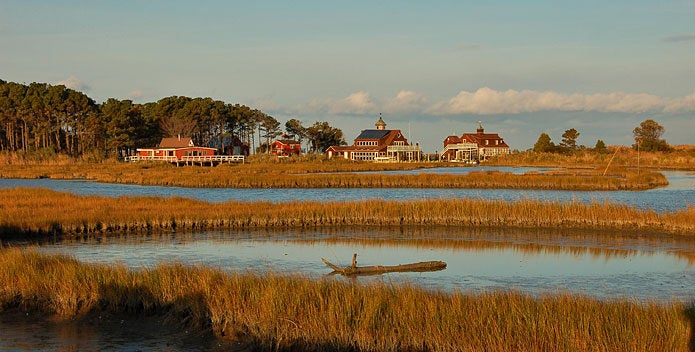
Directions to the Chesapeake Bay Foundation's Karen Noonan Memorial Environmental Education Center in Dorchester County, Maryland.
Directions
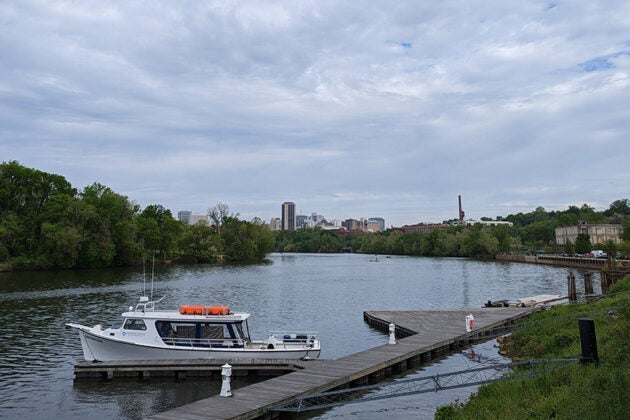
Find detailed directions to CBF's James River Environmental Education Program here.
Directions
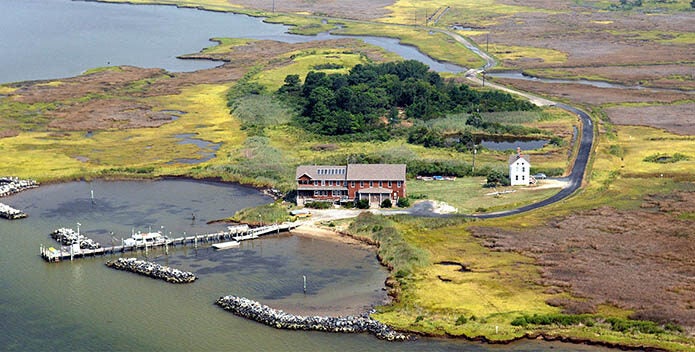
Find detailed directions to CBF's Port Isobel Environmental Education Center here.
Education Program Resource
Answers to the most commonly asked questions about CBF's Student Field Programs.
Education Program Resource
These are the forms that your child will need (including health forms and packing lists) for our one-day and residential (overnight) programs.
Education Program Resource
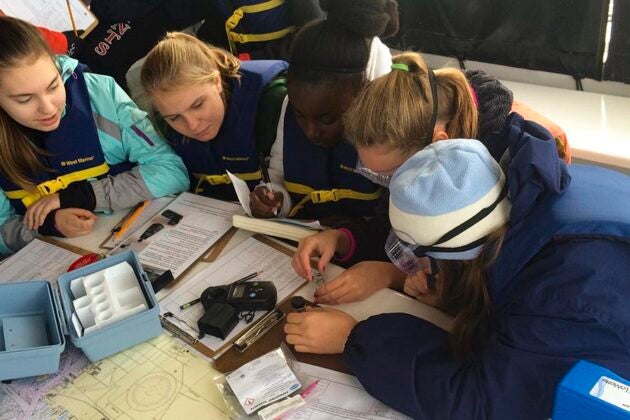
This online application and accompanying guide teach students how to use technology in field investigations, helps document water quality trends throughout the watershed, and gives participants real-world data and tools that they can use to make connections back in the classroom.
Education Program Resource
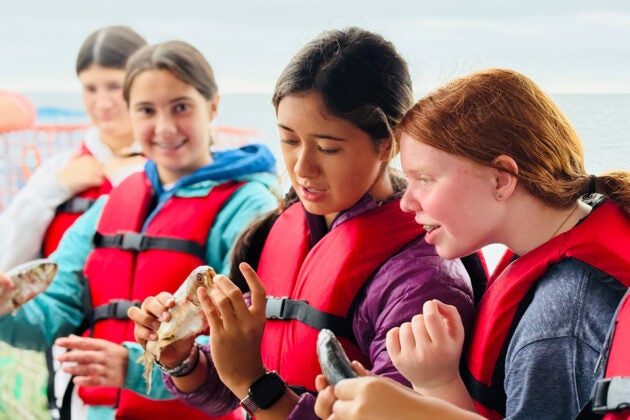
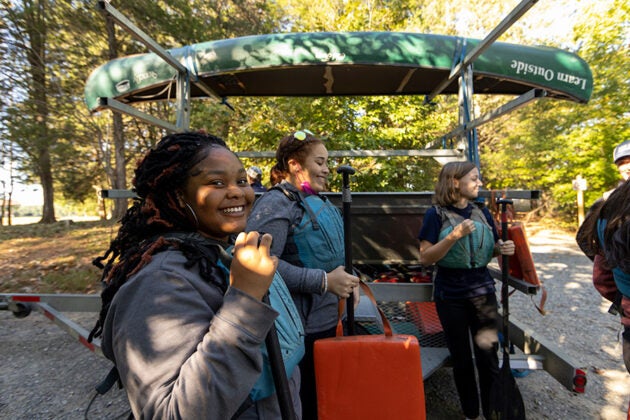
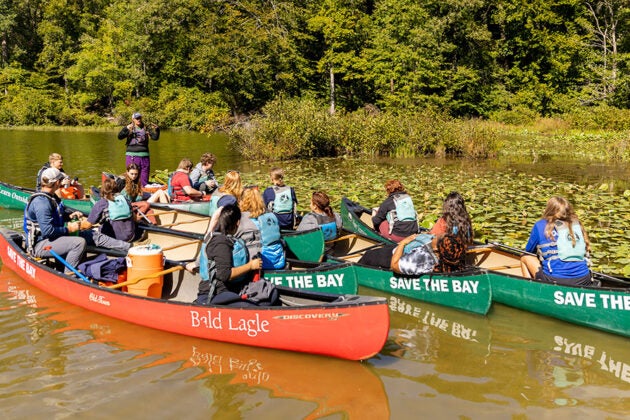
CBF believes the best way to learn about the Chesapeake Bay and its watershed is to experience it—to "learn outside." We also believe that student leadership has the most impact when students take the initiative on activities and projects.