Pennsylvania Should Stand up for Stormwater
This article was originally published as a Letter to the Editor in the Times Leader on September 30, 2026.
As Pennsylvania’s director of science, policy and advocacy for the Chesapeake Bay Foundation and a former Luzerne County resident, I felt implored to submit this letter to the editor on stormwater.
Pennsylvania has long rallied communities to protect our rivers and streams, which is why the President’s recent executive order aimed at reversing clean water protections is so hard to understand. If we want healthy communities and clean water, we must keep investing in stormwater systems that reduce pollution, prevent flooding, and protect the places we live.
We couldn’t agree more with the Times Leader’s editorial calling out misinformation around stormwater fees, often mistakenly dubbed “rain tax.” This work benefits Pennsylvanians, not just areas downstream along the Chesapeake Bay.
Increasingly intense storms are causing more flooding and pollution across Pennsylvania, overwhelming aging infrastructure and threatening homes, roads, and public safety. Now’s not the time to step back as the problem gets worse.
In the Wyoming Valley, communities are slowing and controlling stormwater runoff before it floods neighborhoods and pollutes waterways. These projects are funded by fees in which property owners creating polluted runoff pay their fair share, taking pressure off state and local taxes.
Pennsylvania will need to fund these projects one way or another. According to the state DEP, more than 4,500 miles of our streams are polluted by urban stormwater discharges from storm sewers, while combined sewer overflows contribute to another 147 miles of polluted streams.
Pennsylvania faces an estimated $6.7 billion in stormwater funding needs over the following three to five years, per a 2022 American Society of Civil Engineers report.
Stormwater systems need upgrading as pipes age, development creates more runoff, and heavier rainfall strains drainage systems. Just as residents pay for clean drinking water and sewer service, the same logic should apply to managing polluted runoff that degrades our rivers, floods our streets and basements, and threatens public health.
The president’s latest action mistakenly fuels opposition to a program that’s working well. The health of our waters and the quality of life in our communities deserve better.
Tell Congress: Stand Up for the Chesapeake Bay!
Join us in urging Congress to provide strong funding for federal agencies in fiscal year 2027, ensuring they can uphold their commitments to restore and protect the Bay and its waterways, habitats, fisheries, and wildlife.

Related Stories
-
 Blog Story
The Higher Stakes of a Summer Storm
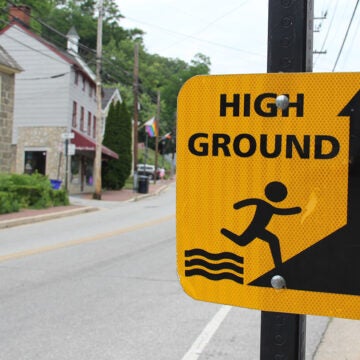
It was July 30, 2016, when Howard County, Maryland got hit with over six inches of rain in less than two hours. Intense flash flooding followed, decimating the historic streets of Ellicott City, destroying buildings and businesses, and tragically taking two lives.
-
 Blog Story
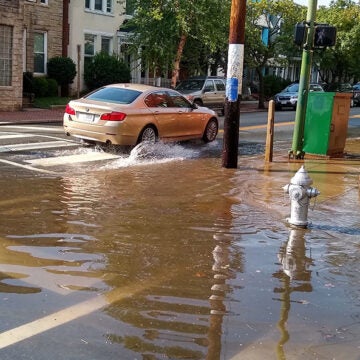
More Than Rain: A Closer Look at Stormwater Pollution
Diandré Richie, the Dr. Beth McGee Science Fellow at CBF, shares takeaways from his research into one of the fastest growing and most harmful sources of pollution in the Chesapeake Bay region.
