Maryland
The Chesapeake Bay Foundation opened its first office in Annapolis, Maryland's state capital, in 1967. Since then, we have been leading the efforts to Save the Bay in the Old Line State through environmental advocacy, education, science, policy, litigation, and restoration.
About
CBF has offices in Annapolis and Easton, and six outdoor environmental education programs across the state. Our efforts are focused on ensuring Maryland meets its Bay cleanup goals to reduce pollution from sewage treatment plants, farms, and urban and suburban stormwater runoff.
We envision a Maryland where all have safe access to healthy streams, rivers, forests, and air and where our diverse population feels empowered to work together to conserve and maintain a thriving economy and ecosystem.
Learn more about CBF’s legislative priorities for Maryland’s General Assembly session.
If you’re interested in volunteering, check out our upcoming events.
Facilities in Maryland
-
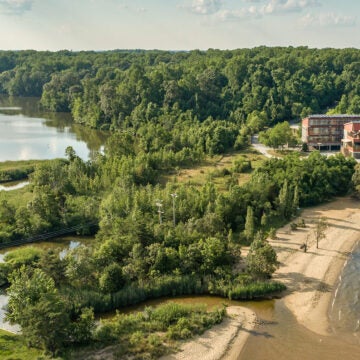
Philip Merrill Environmental Center
The Philip Merrill Environmental Center houses the Chesapeake Bay Foundation headquarters, Maryland state office, and an education program. It is also a highly popular event venue. In design, construction, and operation, the building reflects our mission to protect and restore the Bay.
-
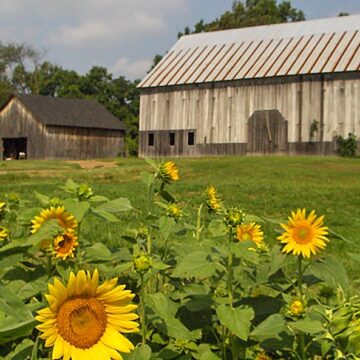
Clagett Farm
CBF's Clagett Farm embraces regenerative farming methods that are truly sustainable both economically and environmentally. The farm raises crops, beef cattle, and sheep and supports a Community Supported Agriculture (CSA) program and tree farm.
-
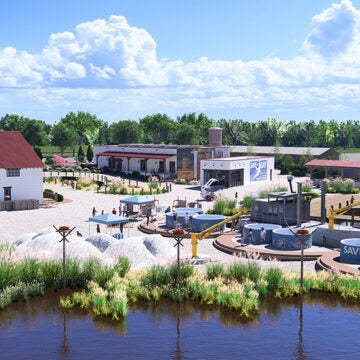
Truman T. Semans Center for Oyster Restoration and Innovation
A new oyster restoration center where science, creativity, and community engagement will thrive.
-
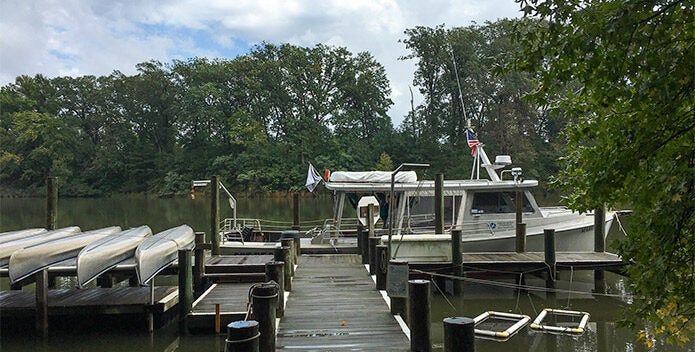
Arthur Sherwood Environmental Education Center
The Chesapeake Bay Foundation's Arthur Sherwood Environmental Education Center let's students explore the waters of Meredith Creek in Annapolis, Maryland.
-
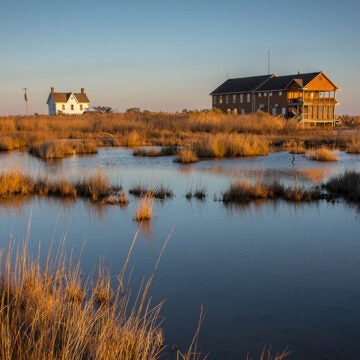
Karen Noonan Memorial Environmental Education Center
The Chesapeake Bay Foundation's Karen Noonan Memorial Environmental Education Center, near Blackwater Wildlife Refuge, gives students the opportunity to explore pine forests, underwater grass beds, and native oyster reefs.
-
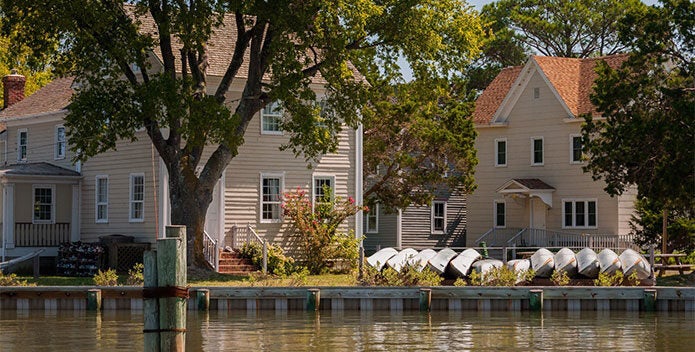
Smith Island Environmental Education Center
Located within Tylerton—one of three watermen's communities on Maryland's Smith Island—the Chesapeake Bay Foundation's Smith Island Environmental Education Center emphasizes the culture and ecology of a Chesapeake fishing village.
Upcoming Events & Opportunities
Classes on how to become a Chesapeake steward, opportunities to grow oysters and plant trees, summer Eco-Camps and Student Leadership Expeditions--there are countless ways to join the save the Bay movement!
View All Events and OpportunitiesExplore Our Maryland Programs
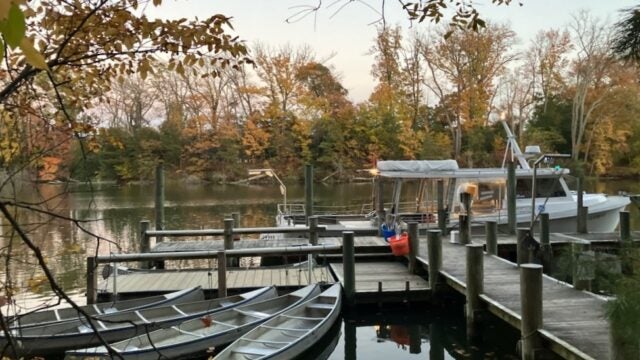
Combining a fully equipped research vessel with flatwater canoes, the Arthur Sherwood program helps students understand and appreciate the ecosystem.
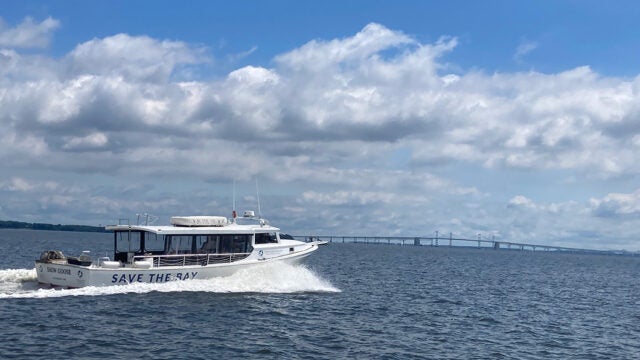
The workboat Snow Goose provides the platform from which students study the relationship between the Port of Baltimore and the Chesapeake Bay's Patapsco River.
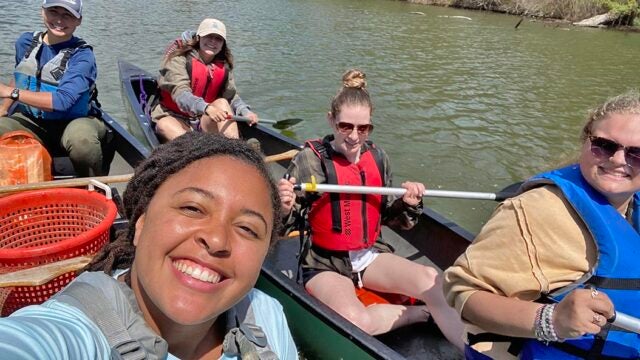
The Bay Advocacy Institute (BAI) offers college students the opportunity to delve into Chesapeake Bay topics, gain real-world skills in advocacy, and develop environmental solutions for their local community and beyond. CBF provides the expertise, training, and resources for this next generation of Chesapeake advocates to engage and inspire action on the issues that matter to them.
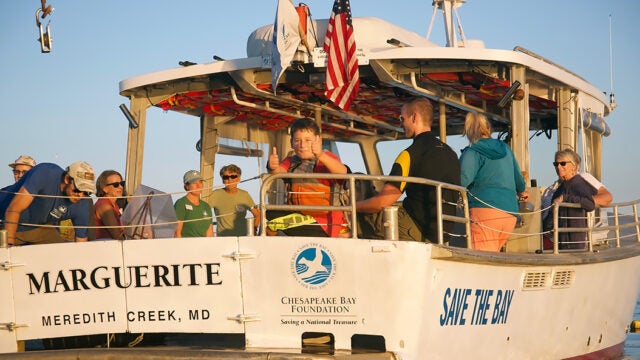
At CBF, we believe that the best way to experience the Chesapeake Bay watershed is to immerse yourself in it.
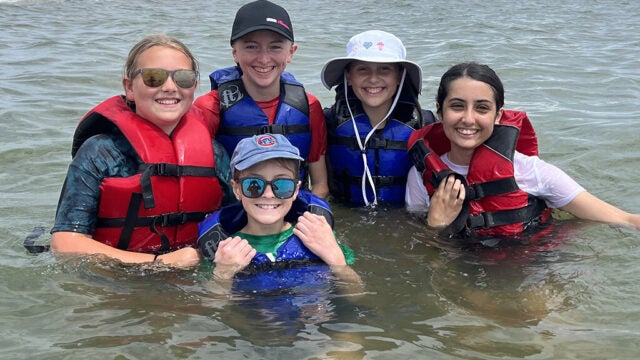
Adventure into the heart of the Chesapeake during a five-day environmental education summer camp designed for middle school students and hosted at a CBF island education center.
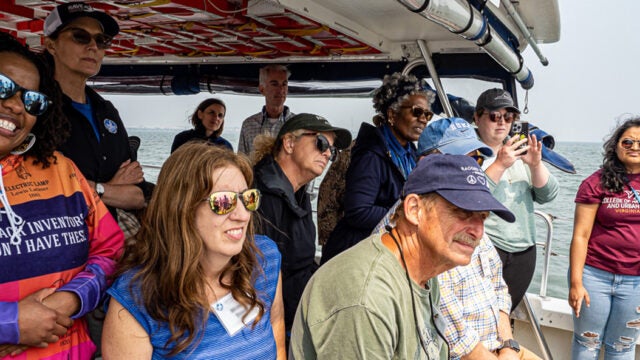
CBF's Volunteers as Chesapeake Stewards, or VoiCeS, program engages local volunteers and their communities and fosters a deeper understanding of the Bay watershed and the efforts to restore it.
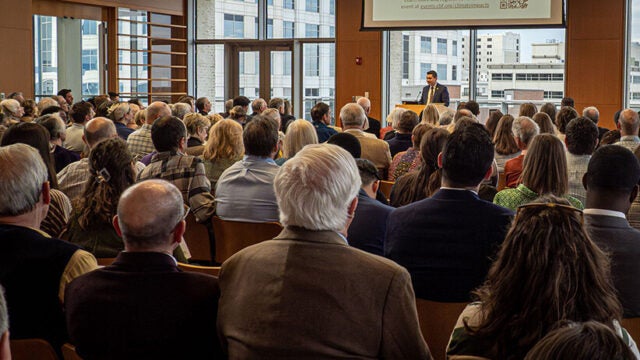
Join us to learn about the most pressing issues facing our watershed and communities.
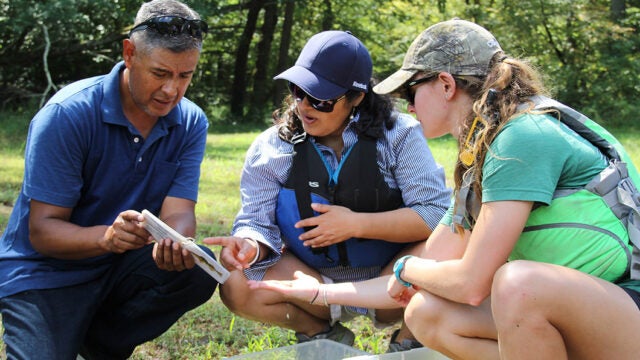
Chesapeake Bay Foundation's summer courses provide teachers with outdoor learning experiences that are aligned with local school system standards. Courses are open to educators throughout the Chesapeake Bay watershed.
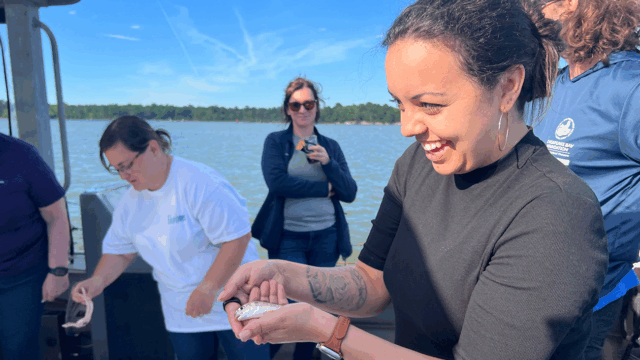
CBF's Chesapeake Leaders are a group of passionate Bay supporters who are leading the fight for clean water and a healthy Bay watershed.
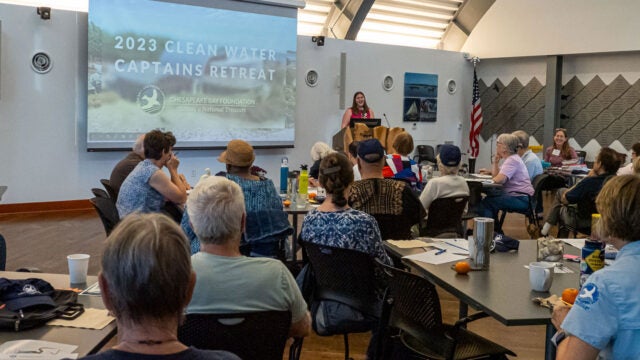
Clean Water Captains are Bay ambassadors who make a big difference in their communities. They share information with neighbors, congregations, schools, elected officials, and more about policy initiatives that help restore the Bay while helping to create practical and effective local clean-up plans.
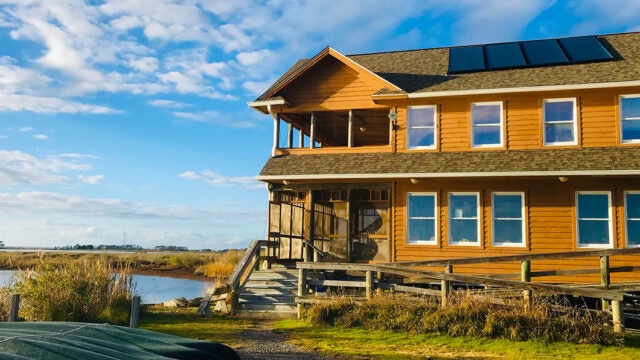
At CBF's Karen Noonan Memorial Environmental Education Center in southern Dorchester County, Maryland, students explore pine forests, underwater grass beds, and native oyster reefs.
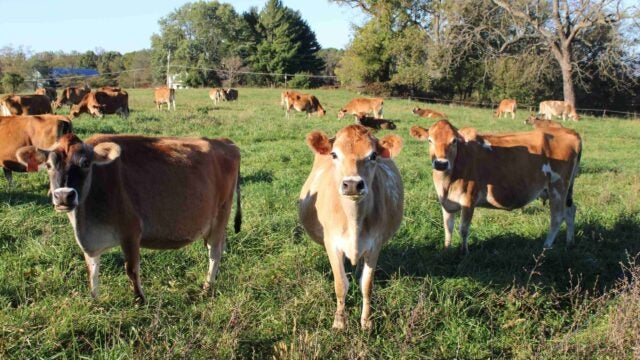
The Maryland Grazers Network is a mentorship program that pairs experienced livestock, dairy, sheep, and poultry producers with farmers who want to learn new grazing skills.

Chesapeake Bay Foundation's Oyster Gardening Program offers the opportunity grow oysters. Adult oysters returned to CBF are planted on sanctuary reefs.
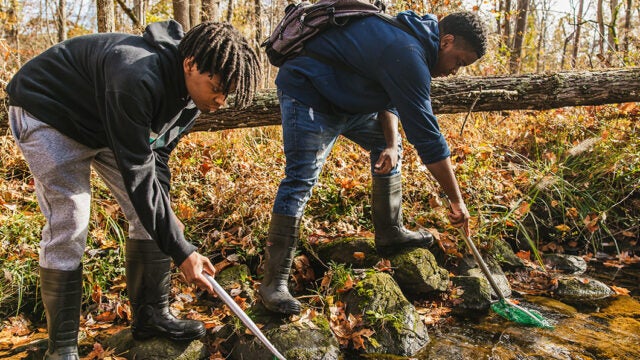
Join CBF educators in a canoe-based exploration of local rivers and streams in Maryland.
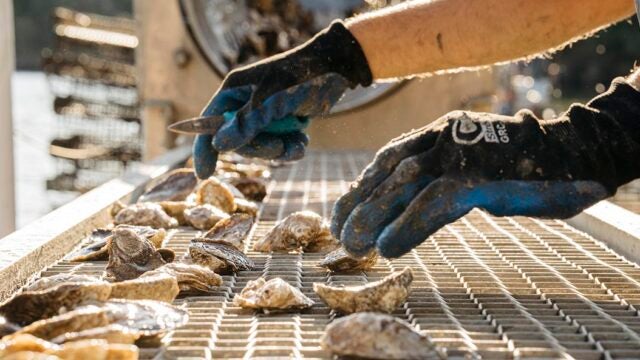
The Maryland Shellfish Growers Network provides resources and training for new and veteran shellfish farmers.
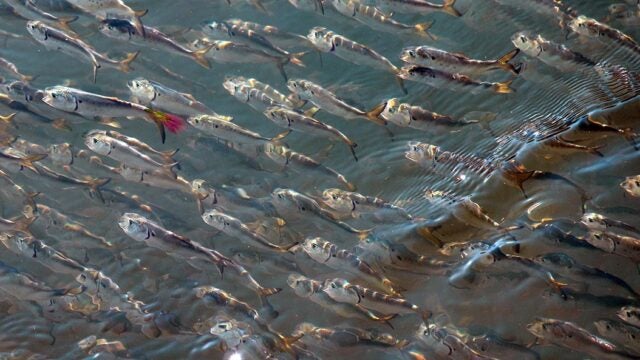
Don't miss these opportunities to learn more about the importance of and challenges facing "the most important fish in the sea."
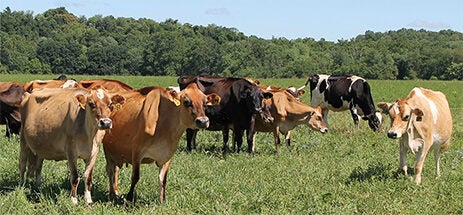
A multi-state program supporting farmers interested in grazing their livestock.
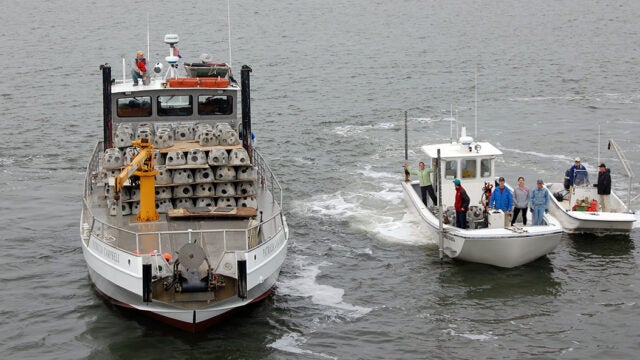
In support of re-establishing this keystone species, CBF has established facilities and programs in Maryland and Virginia devoted to restoration of the Eastern oyster, Crassostrea virginica.
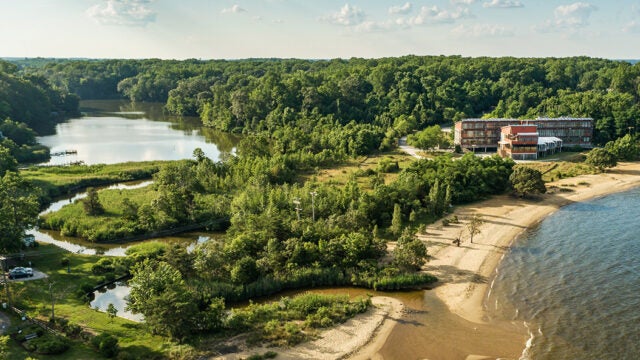
CBF's education program at the Philip Merrill Environmental Center makes use of an exceptional location between the shores of the Bay, the woods of Bay Ridge, the tidal marsh of Black Walnut Creek, and the local fields of tall native grasses.
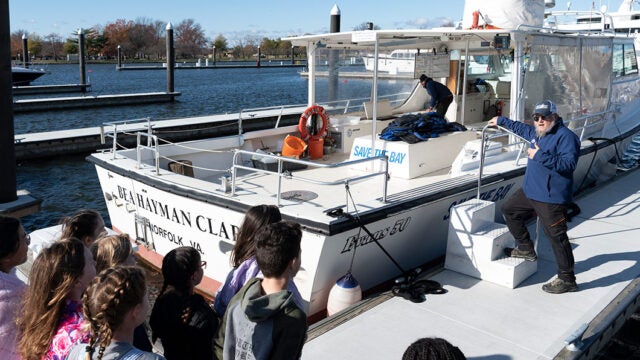
While aboard the workboat Bea Hayman Clark, students will test water quality, perform plankton studies, trawl for fish, and learn about the Potomac and Anacostia rivers.
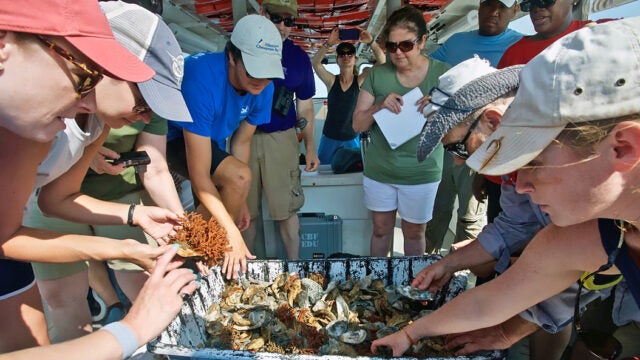
CBF’s Chesapeake Classrooms and School Leaders Environmental Leadership programs offer high-quality professional learning through field experiences and environmental education training that meet the needs of teachers and schools across the watershed.
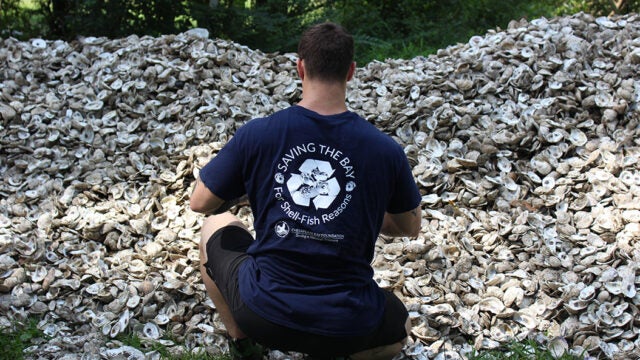
Find out about oyster shell recycling then get involved. Drop off your empty oyster shells, volunteer to pickup shells and deliver them to CBF, host a recycling pickup, or encourage your local seafood restaurant to participate.
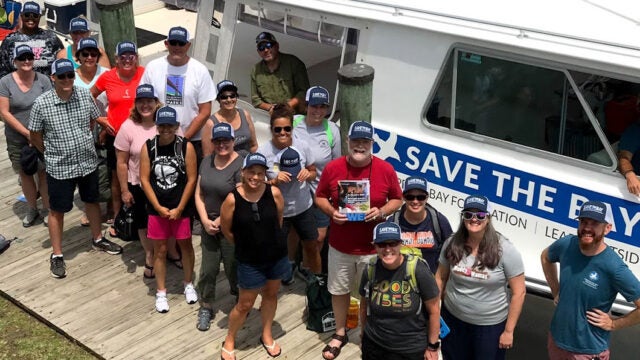
Join CBF for a personal outdoor learning experience and collaborate with school leaders from your district and around the region.
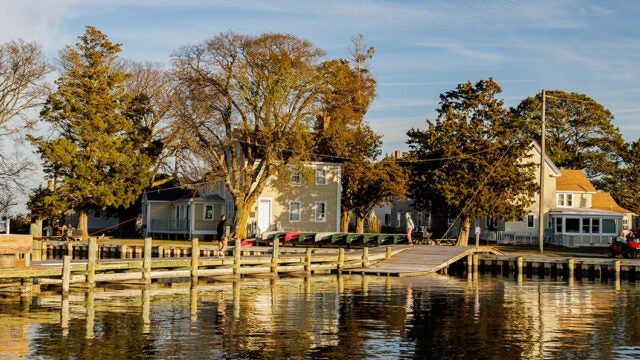
Located in Tylerton MD, the Smith Island Environmental Education Program emphasizes the culture and ecology of a Chesapeake fishing village.
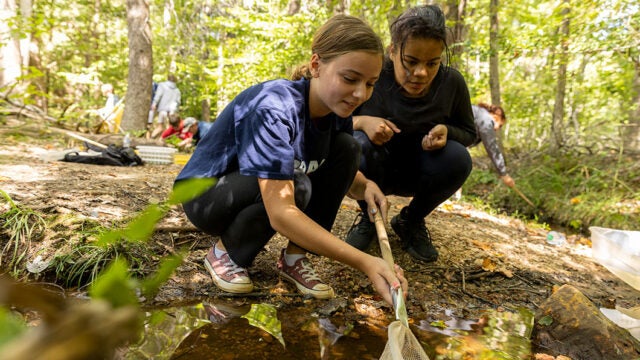
CBF offers students and teachers the opportunity to learn outside while studying the Bay, its rivers, and streams during one-day and multi-day outdoor environmental education field trips. Programs are offered in DC, MD, PA, and VA.
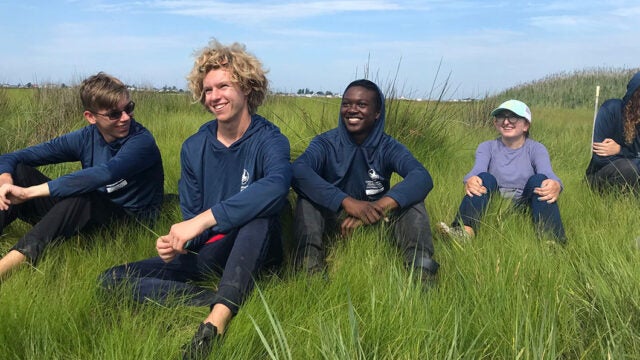
CBF's Student Leadership program connects, educates, and inspires the next generation of environmental stewards to become critical thinkers and environmental problem solvers by advancing advocacy, raising awareness, and taking action to Save the Bay.
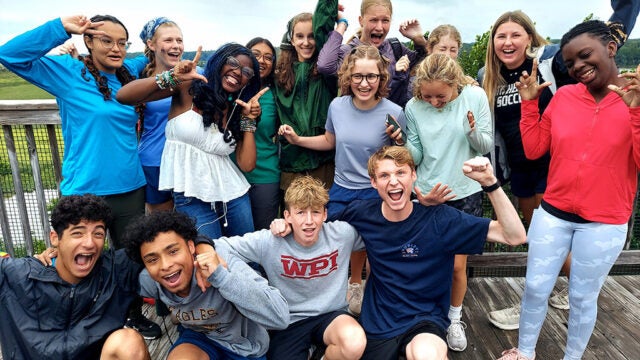
Hike, fish, wade, and paddle in the most inspiring natural areas in the Chesapeake Bay watershed, all while learning how to be an effective advocate for the world around you!
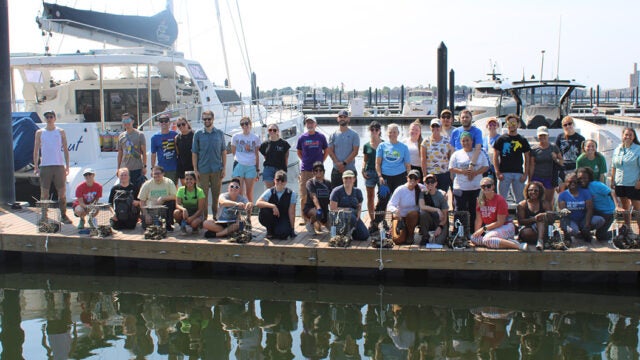
The Baltimore Oyster Partnership is a collaboration between the Chesapeake Bay Foundation and the Waterfront Partnership of Baltimore.

Do you enjoy working with others to help restore the Chesapeake Bay and its rivers and streams? Whether growing oysters, planting trees, or helping in our offices, there are plenty of ways you can contribute.
