Video
Maryland Volunteer Tree Planting: Improving Water Quality and Fighting Climate Change
Follow CBF's tree planting journey from our Clagett Farm tree farm to the headwaters of the Bay.
Explore our educational videos, fact sheets, tips and tools for saving the Bay, directions to our facilities, and more!
Video
Follow CBF's tree planting journey from our Clagett Farm tree farm to the headwaters of the Bay.
Video
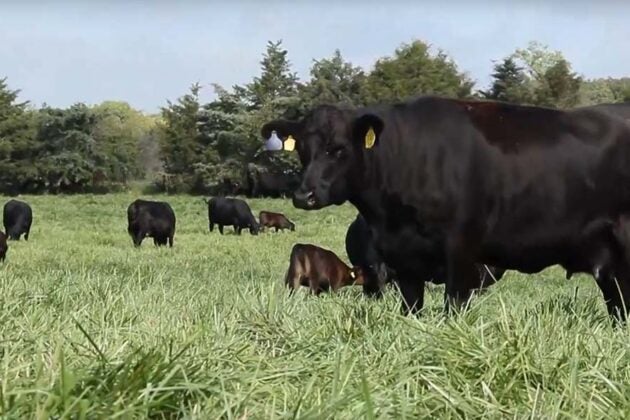
What happens when a group of farmers from far upstream spend time on the Chesapeake Bay?
Video
Headwater streams are vital for the overall water quality of river systems. These streams are where water first begins to form a stream channel after flowing from higher elevations such as hills or mountains.
Video
With the spring gardening season upon us, look for pollinator favorites like milkweed, coneflower, bee balm, and clustered mountain mint.
Chesapeake Almanac Podcast
Welcome to our last episode of "Chesapeake Almanac." Cold weather is losing its grip on the Chesapeake, but though the water is still cold, the earliest born Norfolk spot are making their way north, just as much a benchmark of spring as the first crocuses on land. It's March madness, which for finfish means renewed traffic and spawning on the Bay and in rivers and creeks. On this episode, John Page Williams highlights the fish you'll find making an appearance in the Chesapeake in March. From Norfolk spot, winter flounder, Labrador herring, and river herring to yellow perch spawning in small creeks on balmy days, white suckers, largemouth bass, chain pickerel, and the first of the blueback herring. March is a busy time in our waters.
Video
High schooler Jordyn Lewis meets with Virginia senators and delegates to urge support for environmental literacy.
Chesapeake Almanac Podcast
There is no other estuary in the world with a network of rivers like the one that feeds Chesapeake Bay. Every square inch in the drainage basins of those rivers is connected directly to the Bay. The Chesapeake itself is a river, after all. It is the drowned valley of the Susquehanna, a 200-mile-long tidal river mouth. In this episode, John Page Williams provides a geography lesson of the Chesapeake's life blood--its rivers.
Video
Norfolk’s Lafayette River was once polluted, but thanks to work by CBF, the Elizabeth River Project, and other partners, the river is now better known for successful oyster restoration.
Chesapeake Almanac Podcast
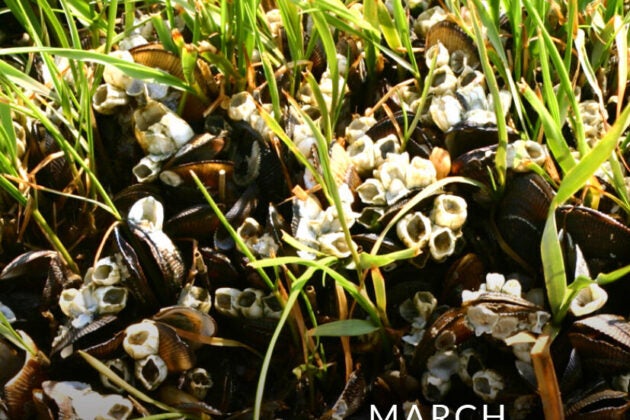
In March, you can see the tiny, wedge-shaped larvae of barnacles catching early spring plankton. They scull about with their six legs, not yet ready to settle and grow into the barnacles we know. Most Bay lovers have at least one good barnacle story. Invariably these tales involved hands cut by sharp shells, or speed- and fuel-robbing crust on boat bottoms. But these crustaceans do more than create havoc for humans. They create little ecosystems on dock and pier pilings and fallen trees. In this episode, John Page opens up the world of yet another small Bay creature that has a story that surpasses its tiny size.
Chesapeake Almanac Podcast
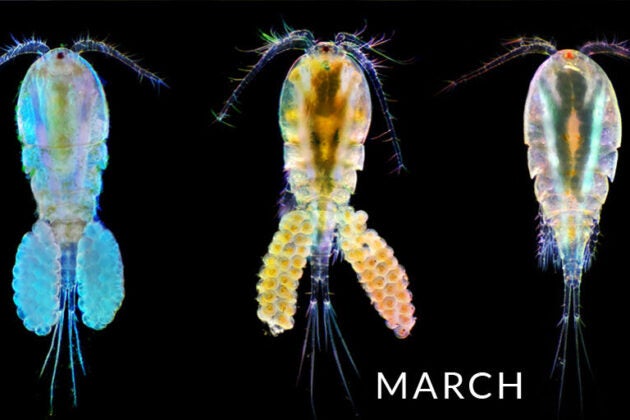
In this episode, John Page Williams brings into focus one of the tiny--but important--mysteries of the Chesapeake. Copepods. They are among the most abundant multicellular animals on earth. But they fly so far under the radar that their species don't even qualify for common names.
Chesapeake Almanac Podcast
While February is the shortest month of the year, to many anglers it can seem like the longest. What happens to the Bay's species when the cold water of winter sets in? In this episode, John Page takes us beneath the surface of February's Bay--who hibernates; who settles into deep, warmer waters; who heads out to sea.
Chesapeake Almanac Podcast
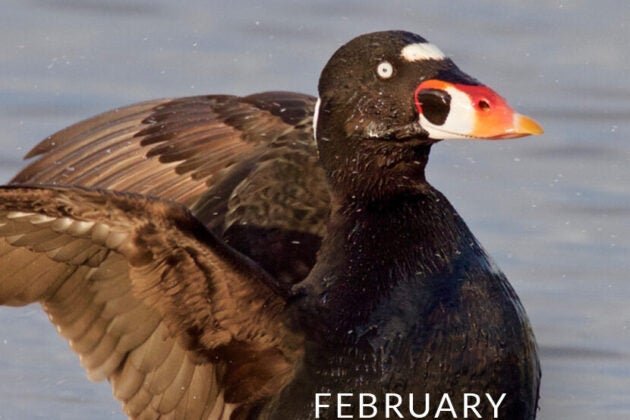
Winter brings several diving ducks from Canada and Alaska that thrive on the open Chesapeake. In this episode, John Page introduces us to four sea duck species attracted to the Bay's historically rich bottom food stores found in oyster beds.