How to Help Fish Beat the Heat amid Recent Fish Kills
As water temperatures rise, Chesapeake Bay scientists emphasize the importance of minimizing heat stress for aquatic life.
Summer heat waves can severely stress, and even kill, fish across the Chesapeake Bay watershed. This week, that threat was evident when a portion of the Potomac River reached a record-breaking 94 degrees, leading to a large fish kill seen in both Maryland and Virginia. Just days later, the Baltimore Harbor saw another large fish kill, likely due to rapid water temperature and oxygen changes.
Extreme heat fueled by climate change can trigger warmer temperatures and lower oxygen levels in the water, leading to dead zones and fish kills in the Bay and its tributaries.
“Summer is a stressful time to be a fish in the Bay,” said Chesapeake Bay Foundation (CBF) Maryland Staff Scientist Gussie Maguire. “Most of our native species prefer cooler, more moderate water temperatures. But extreme weather and climate change are threatening those ideal conditions and making life for fish much more dire.”
One of the Bay’s most iconic species, striped bass (or rockfish), is a prime example. In the summertime, heat-induced stress causes many striped bass to die after being caught and released. That is why Maryland Department of Natural Resources (DNR) recently adjusted its regulations to close striped bass fishing for the entire month of August. It’s also why they advise anglers to check their striped bass forecast and avoid targeting rockfish if it’s above 90 degrees outside.
In the upper, freshwater reaches of the watershed, native brook trout need stream temperatures below 70 degrees to survive. The combination of hot summer days and increased stormwater pollution put these cold-water habitats at risk. More intense evening storms wash pollution right off hot pavement and dry land and into local waterways.
To help fish beat the heat this summer, CBF recommends:
- Reducing stormwater pollution that runs off roads, sidewalks, and land into local waterways. This challenge is worsening from more intense weather from climate change — especially current drought conditions followed by intense rainstorms and flash flooding.
- Prioritizing trees along rivers and streams. Planting and protecting forest buffers along our waterways not only help absorb and reduce polluted runoff, but also keeps water cool by providing shade.
- Giving striped bass a break during hot summer months. Anglers can use this time to target other species that have zero summer fishing restrictions, such as invasive blue catfish.
“Wildlife is incredibly resilient, but they sometimes need a helping hand,” Maguire continued. “As extreme heat and intense summer storms become more common, let’s not forget about our fish friends and help them however we can.”
While recent DNR monitoring showed higher levels of dissolved oxygen in the Bay in the early summer months (likely from drought conditions), July’s consistent hot temperatures and intense storms are now taking their toll.
As summer heat continues throughout the region, CBF is urging Chesapeake Bay states, local jurisdictions, and residents to help keep waters cool and avoid heat stress that can harm the Bay’s beloved fish species.
Related Stories
-
 Blog Story
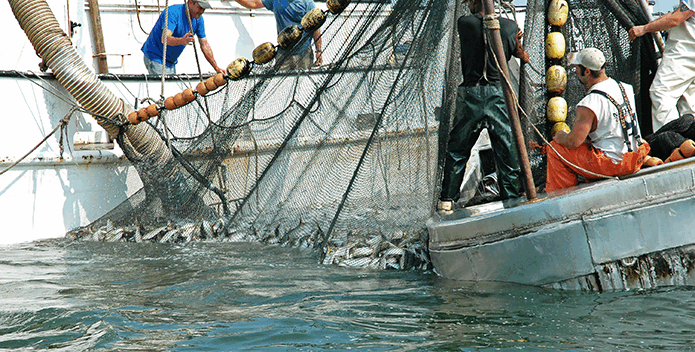
To Save the Chesapeake Bay, Save This Fish
Saving menhaden helps save the bay. Now, evidence of a crisis is impossible to ignore.
-
 Blog Story
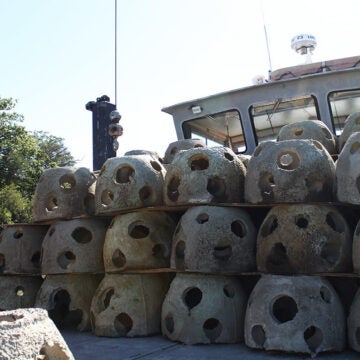
Field Notes: Building an Oyster Reef
Over the course of the summer, CBF built an oyster reef as part of a larger project to restore and protect an eroding shoreline along Maryland's South River.
