Save the Bay News: Oyster Sanctuaries at Risk, Climate Rollbacks, and Celebrating Soft-Shell Crabs
In this month’s newsletter, we discuss threats to oyster sanctuaries, climate rollbacks, and favorite watershed spots to explore this summer.
By all accounts, the comeback of oysters in the Chesapeake Bay is legit. Maryland and Virginia recently completed a goal to restore thousands of acres of oyster reef habitat in 10 Bay rivers by 2025 (and even added a bonus 11th river), making the region home to one of the largest restoration projects anywhere in the world. Maryland this spring announced that its oyster population tripled over the past 20 years, and three of the highest harvest levels since the 1980s occurred in the past five years. But oyster sanctuaries—a key part of the turnaround—are now under threat. CBF’s Maryland Coastal Resources Scientist Julie Luecke walks through recent efforts to open protected oyster sanctuaries to harvest, and she explains what is at risk if that happens.
Meanwhile, restoration efforts continue. Just this month, Dunloggin Middle School’s student oyster gardeners released thousands of young oysters they’d raised onto a sanctuary reef in the Severn River—the sixteenth year they’ve worked with CBF to help the Bay’s oysters recover. We also continue to push back against risky climate change rollbacks; raise awareness about the need to pause industrial menhaden fishing in the Bay until science shows it’s sustainable amid more bad news for osprey; and urge both Pennsylvania and Virginia to limit the environmental toll of data centers. But let’s not forget the pleasures of summer, either. Our educators share 11 magical destinations to explore that showcase the best of the Bay region this season. And for a light read, how about a story that traces the journey of soft-shell crabs, the illustrious summertime delicacy that speaks pure Chesapeake.
 CBF Staff
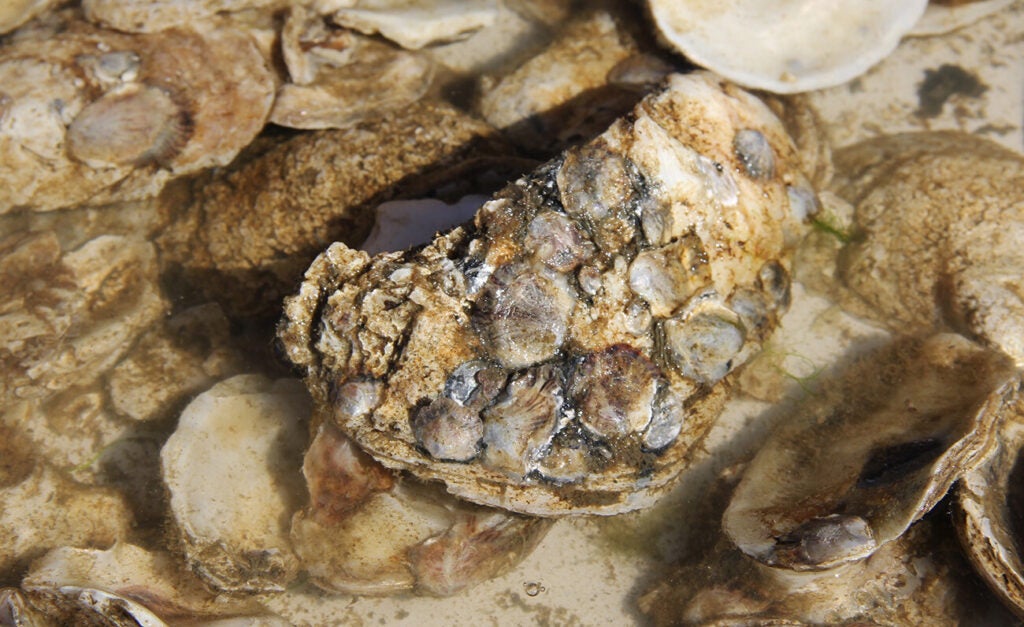
Save Maryland’s Oyster Sanctuaries
Recent efforts threaten to open protected oyster sanctuaries to harvest. But oyster restoration in sanctuaries has contributed to record harvest numbers in recent years, and sanctuaries also support water quality, wildlife, and communities. So why are they under attack? CBF’s Maryland Coastal Resources Scientist Julie Luecke helps unpack this challenging issue.
 Rebecca Long/CBF Staff
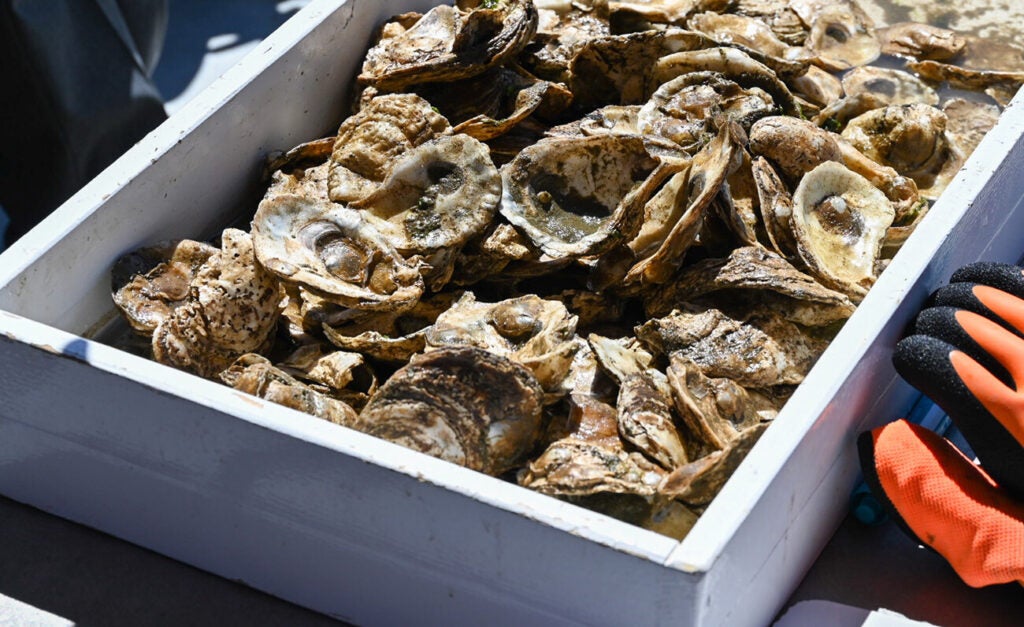
The Students Saving Oysters
Sixteen years ago, students at Dunloggin Middle School were out on a field experience with CBF’s environmental education program when they saw a problem up close: There weren’t enough oysters in the Chesapeake Bay. They wanted to help. Since then, students at the school have raised and released over 150,000 young, water-filtering oysters onto a sanctuary reef in the Severn River.
 Michael Land/Chesapeake Bay Program
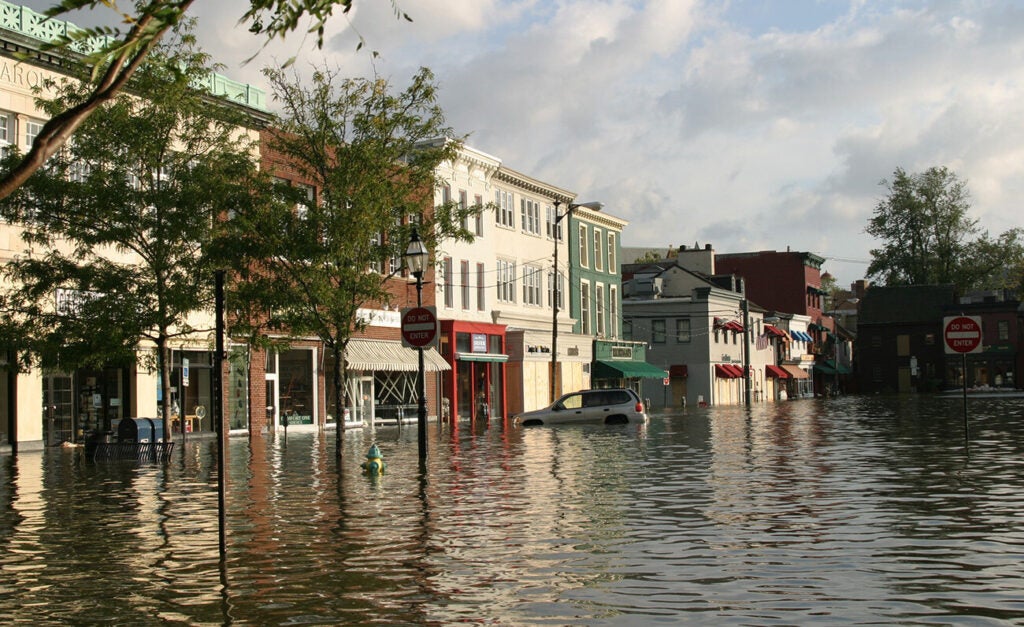
Climate Rollbacks Risk Watershed Residents First
From floods to intense storms to the loss of forests and farmland, the cost of climate change is high. That’s just one reason we should be worried about the federal government’s recent repeal of a landmark finding that heat-trapping air pollution endangers public health and the environment, CBF President and CEO Hilary Harp Falk argued in a recent op-ed published in Maryland Matters.
 Justin Black/iLCP
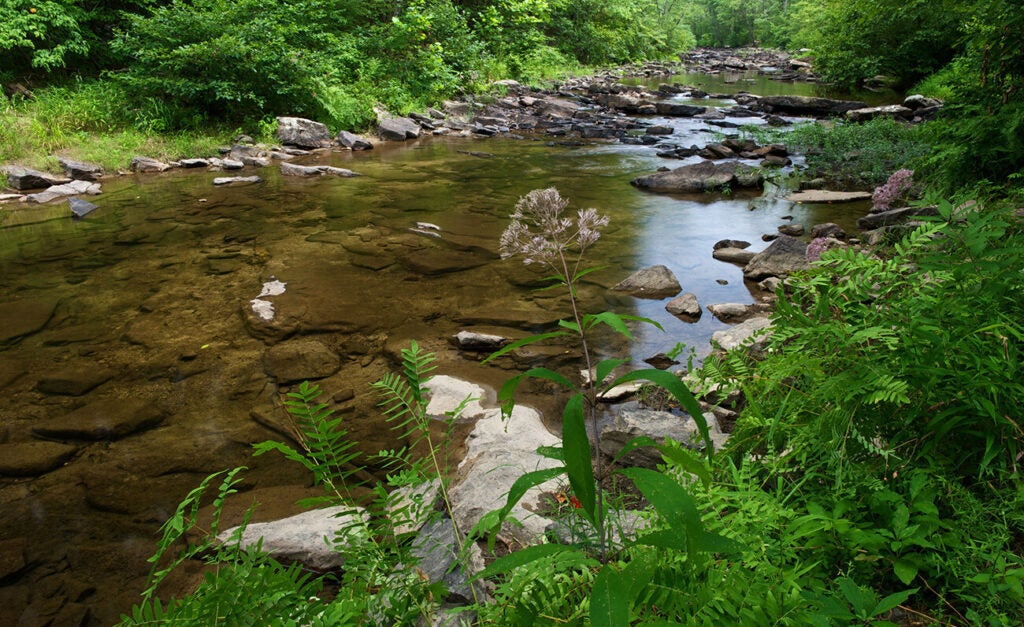
Places to Go, Things to Do: Chesapeake Edition
It’s officially summer. What better way to recharge your love for the Chesapeake Bay region than to get out and experience it? CBF’s talented educators share 11 magical Bay watershed destinations to explore, whether you feel like dipping your toes in a creek, climbing a mountain, heading to the beach, or wandering through some beautiful gardens.
 Karine Aigner/iLCP
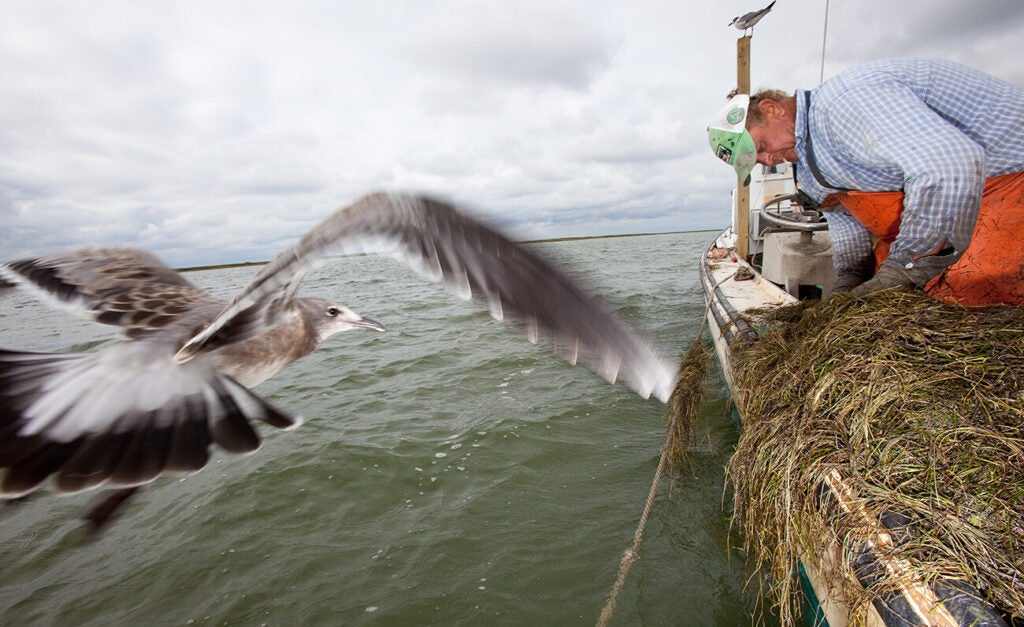
On the Trail of Soft-Shell Crabs
‘Tis the season of the soft-shell crab, a Chesapeake delicacy like no other. Plucked at that ephemeral stage of a blue crab’s life when it sheds its hard armor and becomes tender enough to savor whole, a soft-shell perched on a sandwich begs the question: How in the world did it end up here? We trace the journey.
In the News
New study links starving Chesapeake Bay osprey to menhaden woes: Reduced availability of Atlantic menhaden is likely the primary driver of poor osprey reproduction in saltier parts of the Bay, it found.
Eastern Shore chicken waste facility continues pollution: Despite years of fines and court battles, Darling Ingredients in Dorchester County is still violating its discharge permit and polluting the nearby Transquaking River.
Conestoga named Pennsylvania River of the Year: The river, once associated with pollution and degradation, is making a comeback and has become a pillar for community enjoyment and recreation.
Conservation groups press Congress to fund critical EPA clean water program: House lawmakers moved forward with a proposal that includes $31 million in overall cuts to EPA’s Geographic Programs, which provide critical funding for restoration efforts across dozens of regions including the Chesapeake Bay, the Great Lakes, Long Island Sound, and others.
CBF, partners offer solutions for Tangier Island as potential model of coastal adaptation: Partners are moving forward on an ambitious coordinated response to help preserve and protect one of the country’s most threatened island communities.
Virginia budget deal shortchanges clean water, conservation priorities: Among the most concerning items are a provision that steers revenues from the Regional Greenhouse Gas Initiative away from programs like flood preparedness and energy efficiency. It also largely fails to tackle the environmental impacts of data centers.
Longstanding Pennsylvania partnership celebrates planting its 10-millionth tree: After eight years of hard work by over 320 partner organizations and thousands of volunteers, the Keystone 10 Million Trees Partnership planted its 10-millionth tree at the end of May. CBF funded and supported the partnership to improve waterways by adding native trees to landscapes and communities across the state.
CBF’s Philip Merrill Environmental Center wins AIA’s Twenty-five Year Award: The prestigious award recognizes the facility’s enduring legacy as the world’s first LEED Platinum-certified building.
Shop the CBF Store
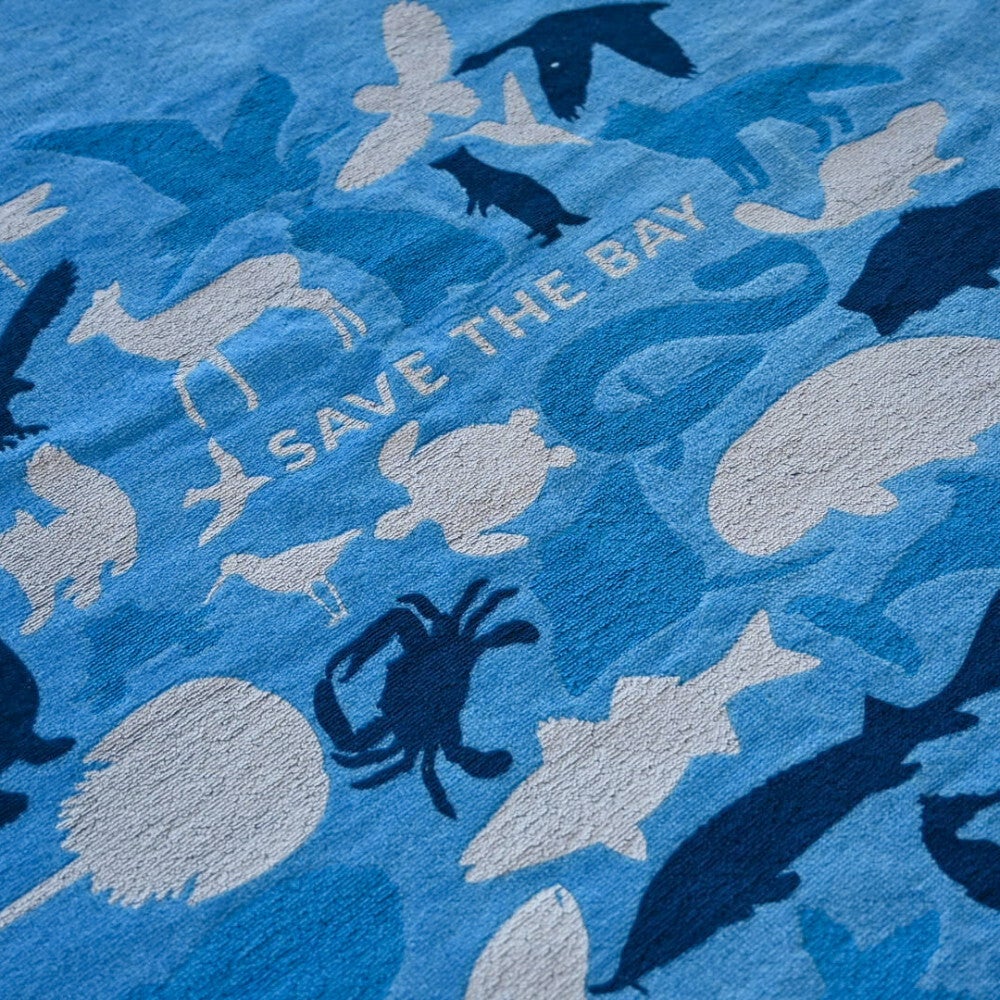
Summer is officially here and so is new CBF merch! Our new camo sun shirt helps protect you from the sun’s rays, while our critter towel helps you dry off after a dip in the Bay. Shop now and grab your favorites while supplies last.
What You Can Do
- From a Bay learning series to menhaden talks to oyster gardening, we’ve got a slew of upcoming opportunities to get involved with CBF. Check out our events calendar.
- Happy National Pollinator Week! Did you know CBF’s Clagett Farm in Upper Marlboro, Maryland, has over a dozen actively managed bee hives? These bees play a vital role in pollinating the farm’s fresh veggie fields and pastures while also producing small-batch, raw wildflower and clover honey. Honey is available for purchase with in-person pick-up at Clagett Farm!
- Across Pennsylvania, large-scale data centers are being proposed at a rapid pace—often before communities fully understand what’s at stake. The Pennsylvania State Senate is currently considering three bills that would put transparency, water protections, and local control at the center of data center development. Take action today and join CBF in urging PA senators to support these commonsense bills!
- Congress is currently crafting the federal budget and their decisions will have far-reaching consequences. The Fiscal Year 2027 funding bill for the National Oceanic and Atmospheric Administration includes two harmful provisions that are a direct threat to protected oyster sanctuaries and restoration efforts. Email or call your representative today and tell them to reject these devastating provisions!
- Match Expiring: Your gift to save the Bay is worth DOUBLE thanks to a generous matching gift from our friends at The Orokawa Foundation—but only through midnight June 30! Give today and your donation will go 2X as far.
If you would like to receive these periodic updates directly to your email, sign up for our Save the Bay newsletter!
Related Stories
-
 Blog Story
Save the Bay News: Trout, Reef Balls, and the Lowdown on Vibrio
In this month’s newsletter, we talk blue crabs, menhaden, the rise of vibrio, and much more.
-
 Blog Story
Save the Bay News: The Potomac, Climate Change, and Searching for Spring Peepers
This month, we go searching for spring peepers, debrief on legislative sessions in Maryland and Virginia, learn more about the threats to the 'Nation's River' and what we can do about them, and so much more.
