Save the Bay News: Summer Storms, Women Captains, and Data Centers
In this month’s newsletter, we talk summer storms, women captains, data centers, and so much more.
When a casual dinner with friends turned into a scramble up a muddy hillside to escape a flash flood 10 years ago, Tom and Sue Lewis joined the growing number of Chesapeake region residents who have come face to face with the dangerous combination of intensifying storms and intense development. Current efforts to reduce flooding and pollution from stormwater aren’t keeping pace, and CBF is urging state leaders in Maryland to make changes. It’s just one way we’re trying to address the rapid transformations happening across the Bay region. We’re also advocating for stronger state and local environmental protections amid a data center boom; calling to pause industrial menhaden fishing in the Bay until science can show it’s sustainable; and raising awareness about how extreme heat threatens fish (and what we can do to help). We’re also celebrating some wins this summer, including the successful wrap-up of the Keystone 10 Million Trees initiative in Pennsylvania; the incredible stories of CBF’s women captains; long-sought funding for menhaden research; and a new poll that shows overwhelming public support for protecting oyster sanctuaries.
 Valerie DiMarzio
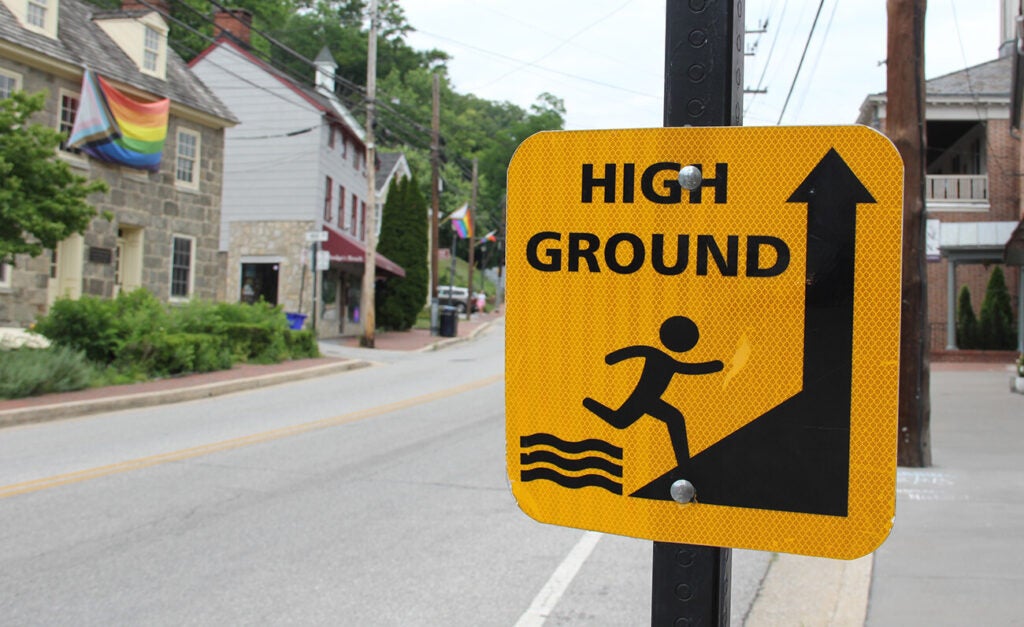
The Stakes of a Summer Storm
“It happened so fast. I’d never seen anything like it,” said Sue Lewis, remembering the night 10 years ago when she and her husband escaped a flash flood in downtown Ellicott City, Maryland. As intense development and climate change converge, common summer storms have quickly become dangerous and damaging, raising the challenge—and stakes—of stormwater management.
Our Bay, Our Fish
Menhaden, a small fish in the Chesapeake Bay, hold the ecosystem together by providing nutrient-rich food to many other species—from striped bass to osprey to humpback whales. They’re also the target of a colossal industrial fishery. This video explains what’s at stake and makes the case for pausing industrial menhaden fishing in the Bay until science shows it’s sustainable.
 Alex Johnson
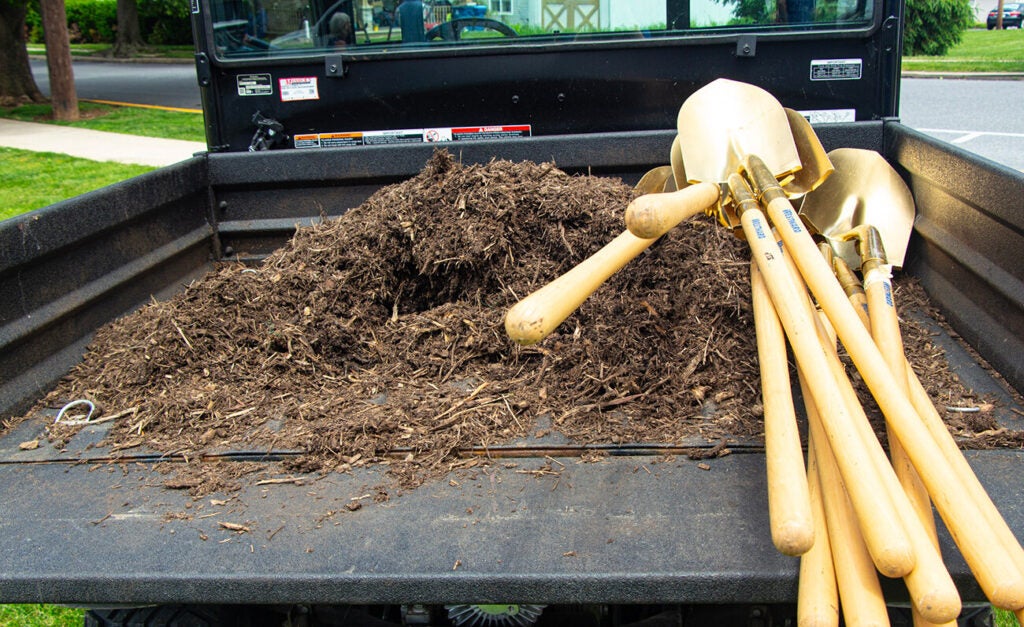
Rooted in Pennsylvania
A small, unassuming white oak sits right behind home plate, in the far corner of Herbert A. Schaffner Memorial Park in Hummelstown, Pennsylvania. It’s planting—the 10-millionth completed by the Keystone 10 Million Trees Partnership—capped an unprecedented statewide mission to improve the health of rivers and streams across the Commonwealth, and the Chesapeake Bay downstream.
 John Surrick/CBF Staff
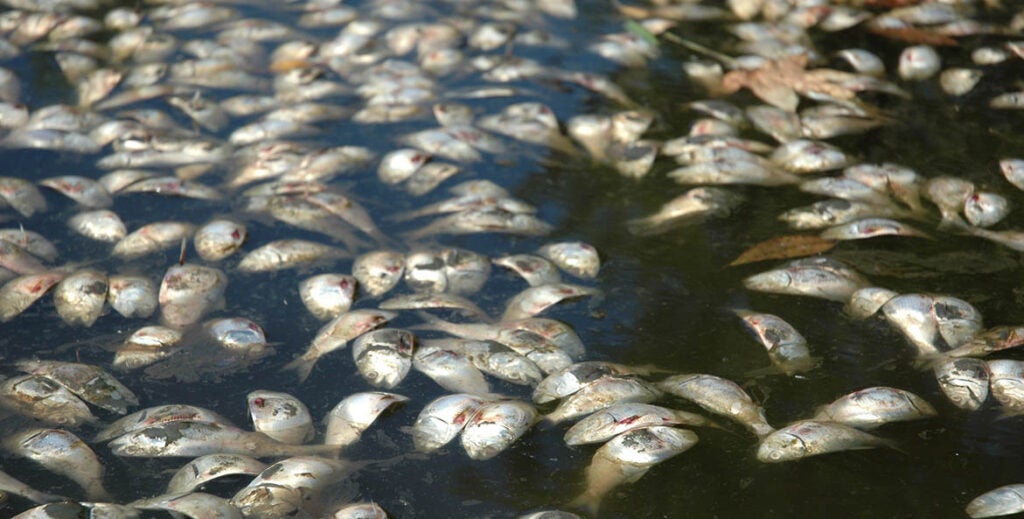
Help Fish Beat the Heat
Extreme heat fueled by climate change can trigger warmer temperatures and lower oxygen levels in the water, leading to dead zones and fish kills in the Bay and its rivers. Giving certain species a break from fishing in the hottest months of the year, as well as actions like protecting and planting trees along streams, can help fish keep their cool.
 James Ronayne
Making Waves: Women at the Helm
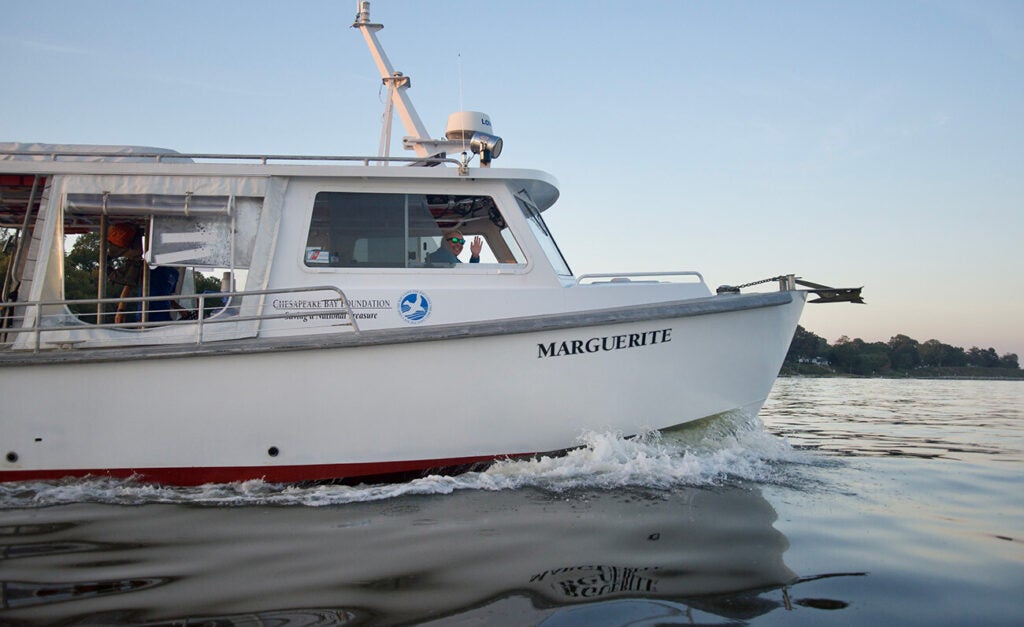
CBF’s female captains bring a powerful blend of emotional intelligence, clear communication, and calm under pressure. They’re not just succeeding in a traditionally male-dominated field—they’re reshaping it. This summer, they shared firsthand reflections about their life out on the water and what led them to pursue a job behind the helm.
 iStock
Data Center Download
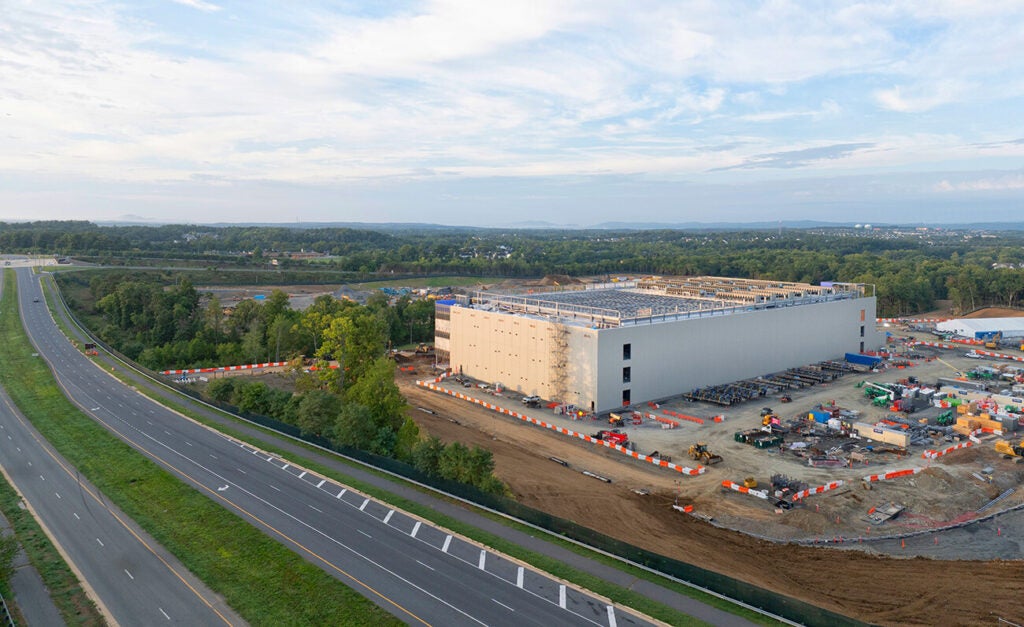
CBF is advocating for stronger state and local environmental protections, as well as data center transparency, to address major concerns about data center growth in our region (600 data centers and counting as of 2025). Explore our new data center web page to learn more about the issues and what we can do to protect waterways.
In the News
Region’s leaders face pivotal test in implementing Bay restoration plan: CBF called on a key committee of state and federal leaders to take bold action to meet clean water goals by 2040.
Data center bill would reveal energy and water use, incentivize efficiency: Federal legislation introduced by Virginia Sen. Mark Warner, which CBF supports, would require large data centers to publicly report their energy and water usage, emissions, and backup power generation.
Maryland maintains oyster harvest limits despite market challenges: Even as the Bay’s oyster population grows, watermen face numerous economic challenges from weather and changing markets. There will be no change to harvest limits for the upcoming 2026-2027 oyster season to prevent more inventory from flooding the market.
Maryland’s land preservation plan must prioritize trees: CBF urged state leaders to require more trees along rivers and streams, which help reduce pollution, erosion, and the effects of climate change.
CBF opposes Chesterfield gas plant permit: CBF filed a friend-of-the-court brief in support of challengers to the Virginia Department of Environmental Quality’s approval of an air permit for Dominion Energy’s proposed new fossil fuel power plant in Chesterfield County.
Virginia lawmakers deliver menhaden research funding in budget: The two-year budget plan shortchanges clean water and conservation priorities, but it does deliver long-sought research funding for the menhaden population in the Chesapeake Bay.
Good and bad news for clean water in Pennsylvania budget: The recently- passed state budget includes new guidelines for managing food processing waste, but requirements for environmental reporting for data centers fell short of what CBF hoped.
CBF continues to fight harmful dam project in York County, Pennsylvania: Attorneys for CBF and partner environmental organizations argued in court this month in support of an appeal against the hydroelectric project that would be located in Cuffs Run, a tributary of the Susquehanna River.
Shop the CBF Store
Bucket Hats Are Back in Style
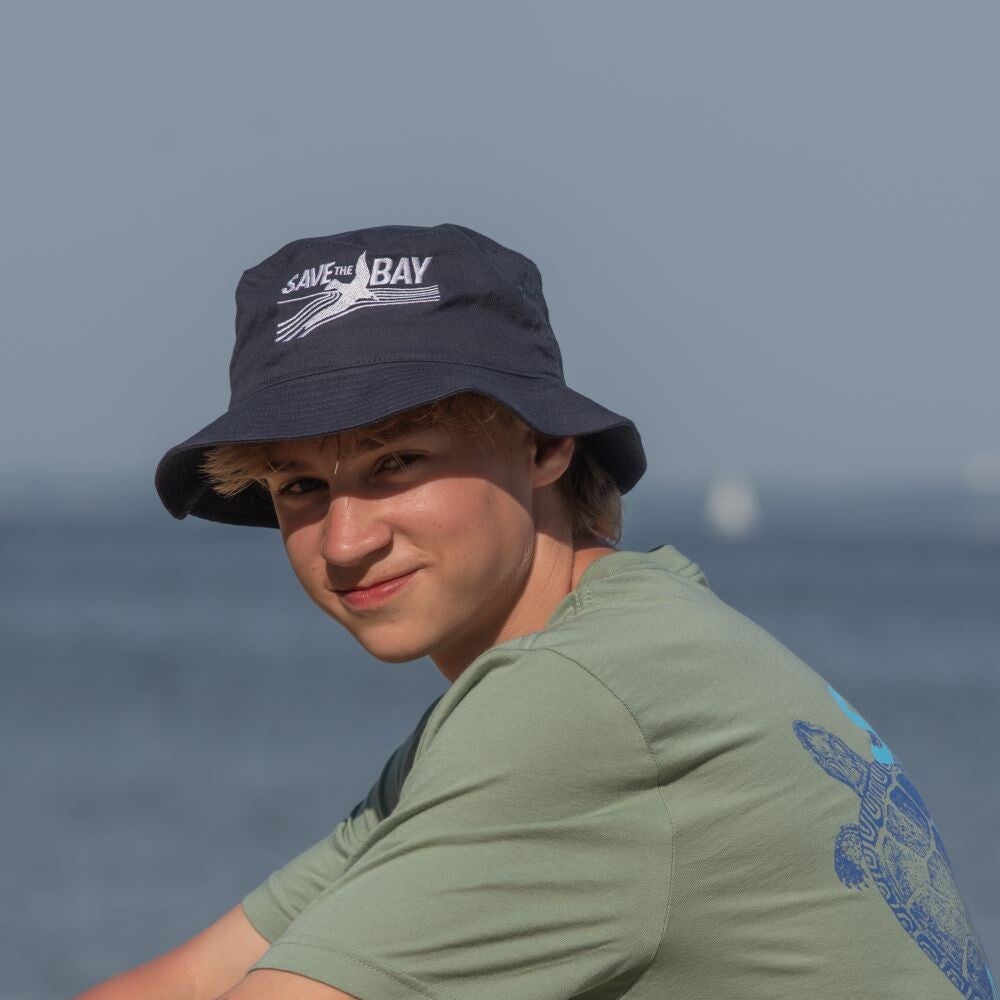
From a morning at the farmers market, to an evening on the Bay, make sure you’re repping your love for the Bay this summer! Our belt bag helps you stay hands-free while picking up your locally grown produce, while our iconic bucket hat helps protect you from the sun. Shop now and grab your favorites while supplies last.
What You Can Do
- From our CBF Learning Series to menhaden talks to oyster gardening, we’ve got a slew of upcoming opportunities to get involved and help the Bay. Check out our events page.
- For decades, Richmond International Airport has released toxic PFAS or “forever chemicals” into our local waterways, putting our environment and public health at risk. This cannot continue. Virginians: There are only hours left to submit your comments to the Department of Environmental Quality, urging them to strengthen the airport’s stormwater permit and limit PFAS pollution. Take action now!
- Being a CBF member has its perks! Members enjoy an annual subscription to our award-winning Save the Bay magazine, exclusive invites, discounts on CBF gear, and more—plus knowing that they’re helping restore and protect our Bay for all the creatures and people who call it home. Join today with a donation and be part of the Save the Bay movement.
If you would like to receive these periodic updates directly to your email, sign up for our Save the Bay newsletter!
