Save the Bay News: Bay Report Card, the Future of Baltimore’s Trash, and Celebrating 40 Years in Pennsylvania
In this month’s newsletter, we discuss a recent report on the Bay’s health, how federal decisions are impacting clean water, and much more.
You may have heard that the Chesapeake Bay recently received its highest ever grade for overall health. That’s true: The latest report card released by the University of Maryland Center for Environmental Sciences gave the Bay a C+. The report card found that over time the Bay is generally improving, but it’s also a long way from saved. Troubling signs still showed up in places like Maryland’s lower western shore, the lower Susquehanna River in Pennsylvania, and the York and Elizabeth Rivers in Virginia. A separate report also showed the continuation of an eight-year slump in young striped bass, and news broke about a massive algal bloom that devastated some oyster growers on Virginia’s Eastern Shore. All of that made a spate of recent federal decisions—including an executive order that weakens the unprecedented federal-state Bay restoration partnership—all the more concerning.
Nonetheless, the fight continues, including efforts to rein in pollution from Maryland’s largest trash incinerator. And there was plenty of good news, too: A promising report about growing oyster populations on sanctuary reefs; federal funding for research and education programs through the National Oceanic and Atmospheric Administration’s Chesapeake Bay Office; the celebration of 40 years of clean water work in Pennsylvania; and a new community oyster restoration partnership that brings together books and bivalves.
 Barbara Gilbert
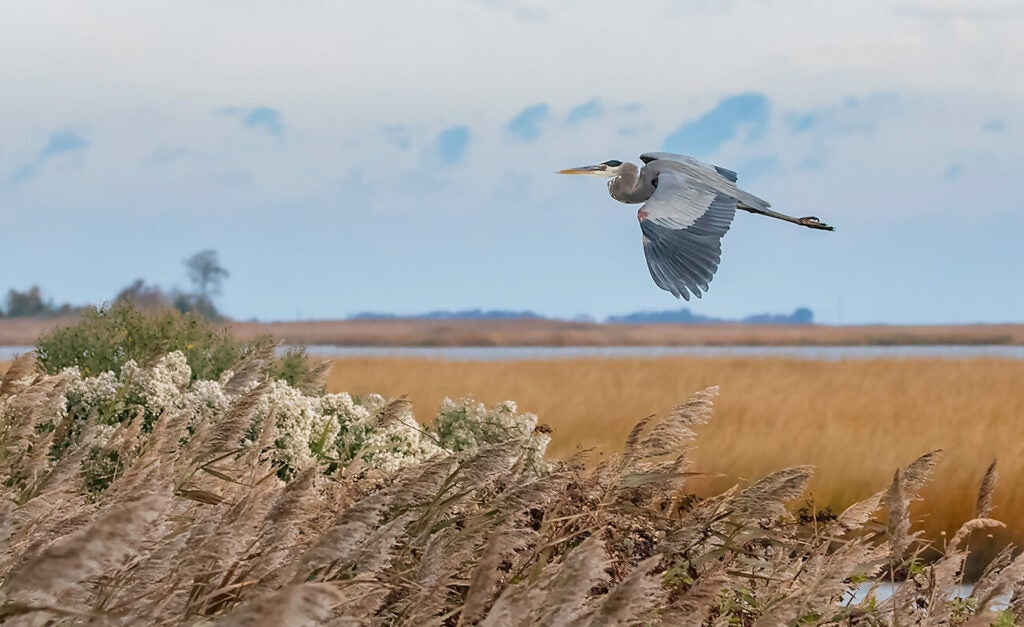
Is the Bay the Best It’s Ever Been?
The Chesapeake Bay scored a C+ in the latest report card released by the University of Maryland Center for Environmental Sciences. It’s the best grade in 40 years, but there’s more to the story. Improvements across the Bay are uneven and unfinished. Here we break down what’s doing well and what trouble spots remain.
 Bob Garrigus
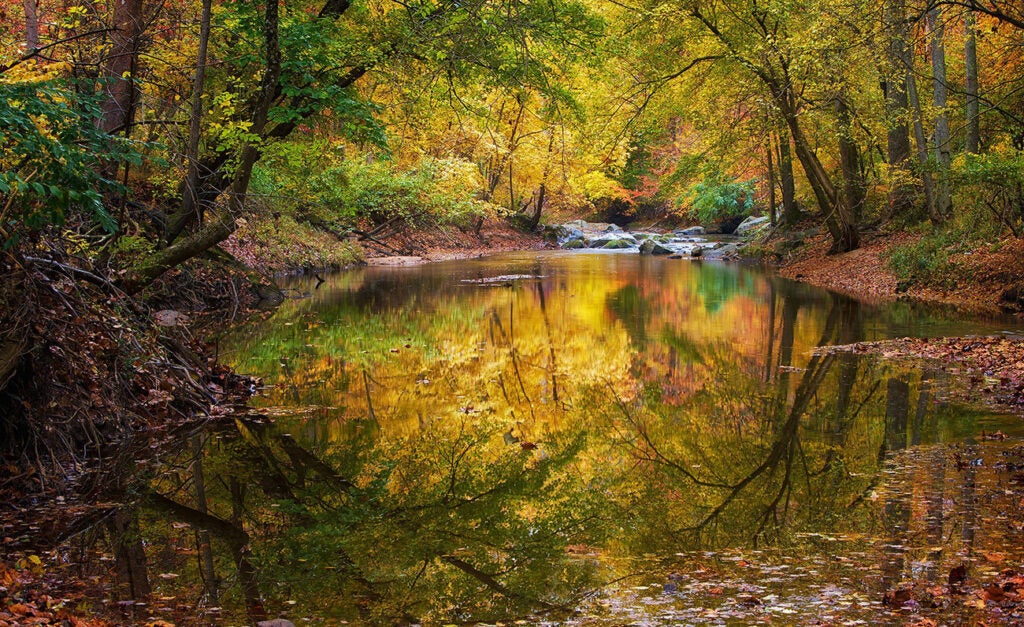
What Recent Federal Decisions Mean for the Bay
From regulatory rollbacks that threaten pollution-reduction progress to major clean water wins in Congress, there’s a lot happening in Washington. That includes an executive order that weakens the federal-state Bay partnership; a proposed rule that could gut protections for wetlands; and steps to reauthorize key research, restoration, and education programs through Congress. Reminder: With the election just a few days away, now’s the time to vote for the Bay!
 Rob Beach/CBF Staff
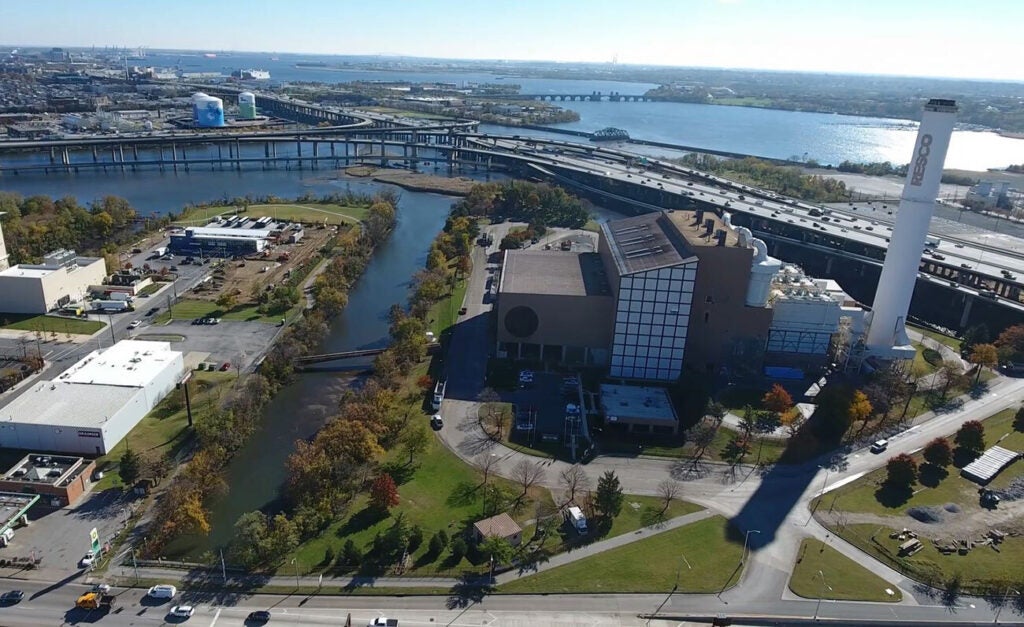
Baltimore’s Trash Incinerator Problem
The Wheelabrator trash incinerator (formerly known as BRESCO) is Baltimore’s leading source of air pollution and the largest trash incinerator in Maryland. For decades, this facility has severely threatened the health and wellbeing of nearby communities and poisoned South Baltimore’s air and water. This month, environmental and community advocates spoke against a key air pollution permit currently up for renewal. Learn why CBF is supporting them.
 Michael Holmes
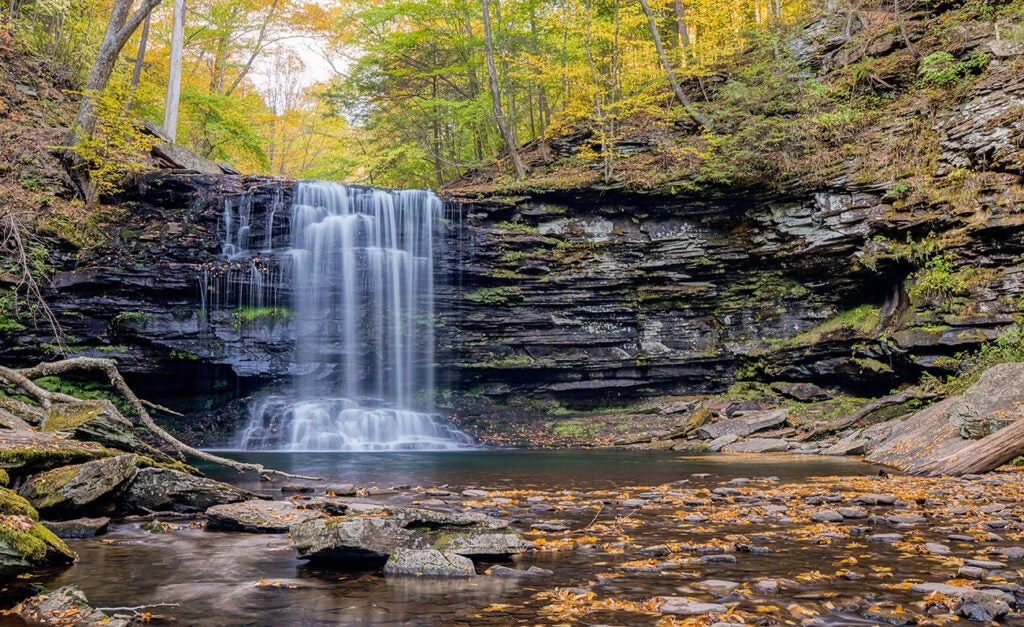
Forty Years in Pennsylvania
CBF’s Pennsylvania office opened its doors in Harrisburg in 1986, the same year the state became a full partner in the Chesapeake Bay cleanup effort. Four decades later, the Commonwealth has 10 million new trees, a signature program to fund conservation on farms, and arguably one of the coolest state amphibians—the Eastern Hellbender. But there’s plenty more to do to keep rivers, streams, and communities healthy in the Keystone State.
 Valerie DiMarzio/CBF Staff
Books and Bivalves
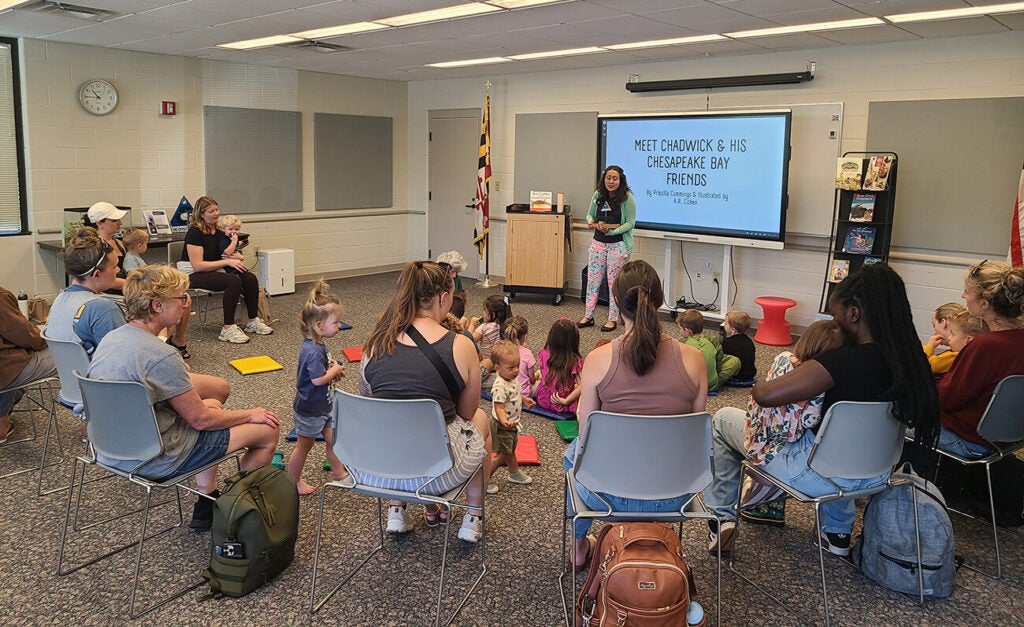
Oysters and kids may not seem like they have much in common (for one, kids can move. A lot.) But that didn’t stop Deale Library’s Save the Bay Storytime from launching a unique partnership with CBF’s new Truman T. Semans Center for Oyster Restoration and Innovation. The partnership—and a new oyster shell recycling bin at the library—will help propel local oyster restoration in Maryland.
In the News
Chesapeake Bay earns high marks in report, but trouble spots persist: While the overall health of the Chesapeake Bay is at its highest point in decades, trouble spots persist around the watershed, according to the University of Maryland Center for Environmental Science.
Striped bass see slight boost amid years-long struggle in Chesapeake Bay: Despite a slight bump, an annual survey shows for the eighth consecutive year young striped bass numbers in Maryland remain well below the long-term average needed to sustain a healthy population.
Virginia Gov. Spanberger’s energy plan highlights need to rein in data centers: The transition to clean energy is important for the health of Virginia’s rivers and the Chesapeake Bay, but data centers are making it harder.
Pollution, algal blooms devastate Virginia’s Eastern Shore oyster growers: Hard-hit oyster farmers reported severe losses and residents reported fish kills in at least seven area creeks after a massive algal bloom.
Maryland oyster sanctuaries show widespread success: The Maryland Department of Natural Resources reported a vast majority of the state’s oyster sanctuaries have seen impressive population growth, thanks to restoration efforts and five years of strong reproduction.
Maryland farmers demonstrate multi-faceted benefits of regenerative agriculture: An event coordinated by CBF and Mobilize Frederick led policymakers and other farmers on an exploration of two Frederick County farms utilizing practices that improve soil health, water quality, climate resilience, and biodiversity.
Gov. Shapiro marks Chesapeake Bay Foundation’s 40 years in Pennsylvania: The governor issued a Sept. 28 proclamation lauding the organization’s research and advocacy work, which have helped accelerate efforts to clean up local streams and reduce pollution downstream in the Chesapeake Bay.
Congressional staffers visit farm in Lancaster County to learn about conservation practices: Representatives of Sen. John Fetterman, Sen. Dave McCormick, and Rep. Lloyd Smucker joined CBF on the Rohrer family farm in Strasburg to view several projects that have benefited from federally funded programs.
What You Can Do
- Election Day is this Tuesday, Nov. 3! Have you made your plan to vote? We urge you to take a moment to explore voter resources—including what your elected officials can do for the Bay and clean water.
- Join CBF and thousands of nonprofit organizations across the country on November 10 for a National Day of Action, calling on Congress to permanently block proposed changes to federal grantmaking. Keep an eye on your email for more details coming soon.
- Still have a pumpkin left to carve? Show your love for the Bay with our spook-tacular pumpkin stencils, featuring creepy critters of the Bay like blue crabs or mummichogs.
- From oyster cage cleanings to tree plantings to lecture series, our calendar of events across the watershed is jam-packed this fall! Whether you want to flex your muscles or your mind, we have an event for you. Take a look at our events listing and register today!
- When you’re a CBF member, you’re in good company. Our members are the advocates, volunteers, and supporters who make it possible to plant thousands of trees across the region, add millions of oysters to the Bay, and win stronger protections for clean water. Become a CBF member today with a gift and join the Save the Bay movement.
The Chesapeake Bay Foundation (CBF) is a 501(c)(3) tax exempt, not-for-profit, charitable organization. As such we may not, and we do not coordinate with, support, or oppose any candidates for public office or political party.
If you would like to receive these periodic updates directly to your email, sign up for our Save the Bay newsletter!
Related Stories
-
 Blog Story
Save the Bay News: Why Menhaden Matter
This month we bring you a special menhaden edition to our Save the Bay newsletter. We explore why this tiny fish is so critical to…
-
 Blog Story
Save the Bay News: Trout, Reef Balls, and the Lowdown on Vibrio
In this month’s newsletter, we talk blue crabs, menhaden, the rise of vibrio, and much more.
